December 27

Chestnuts Roasting

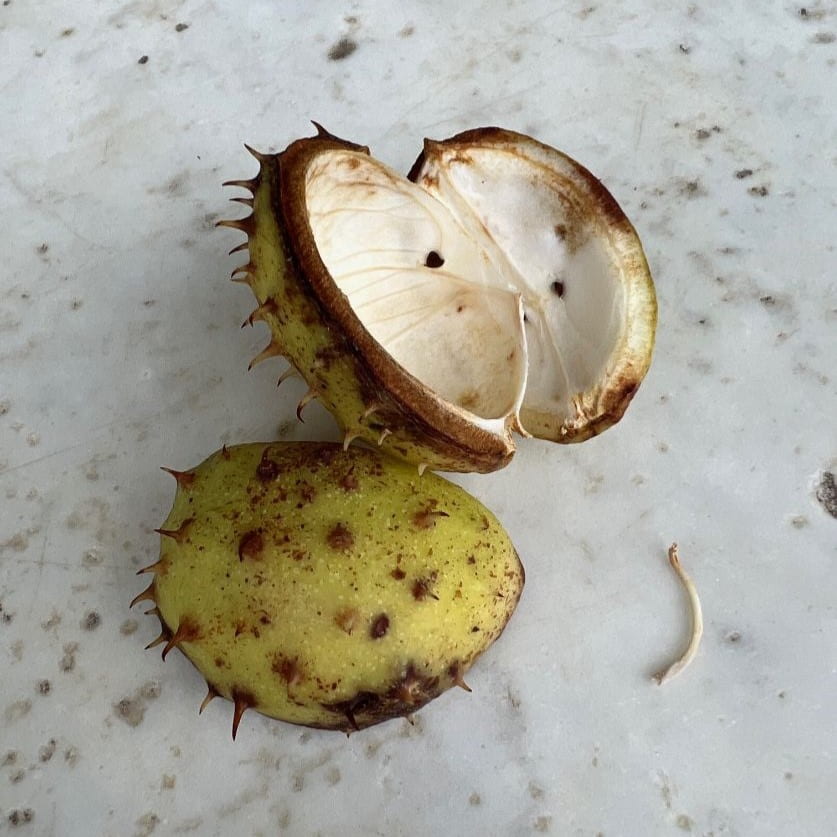
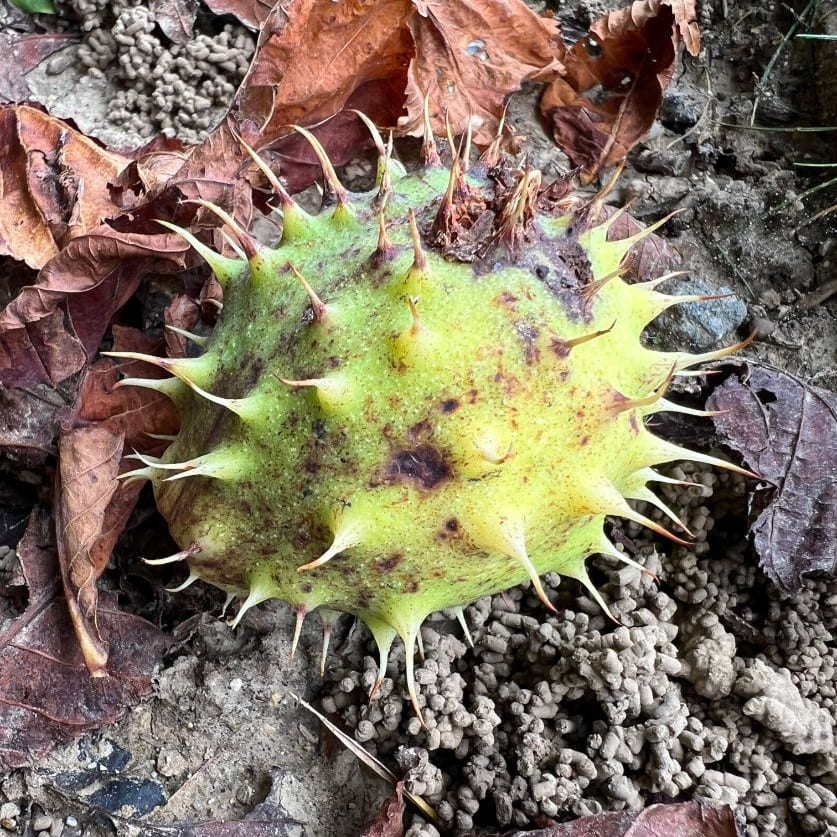
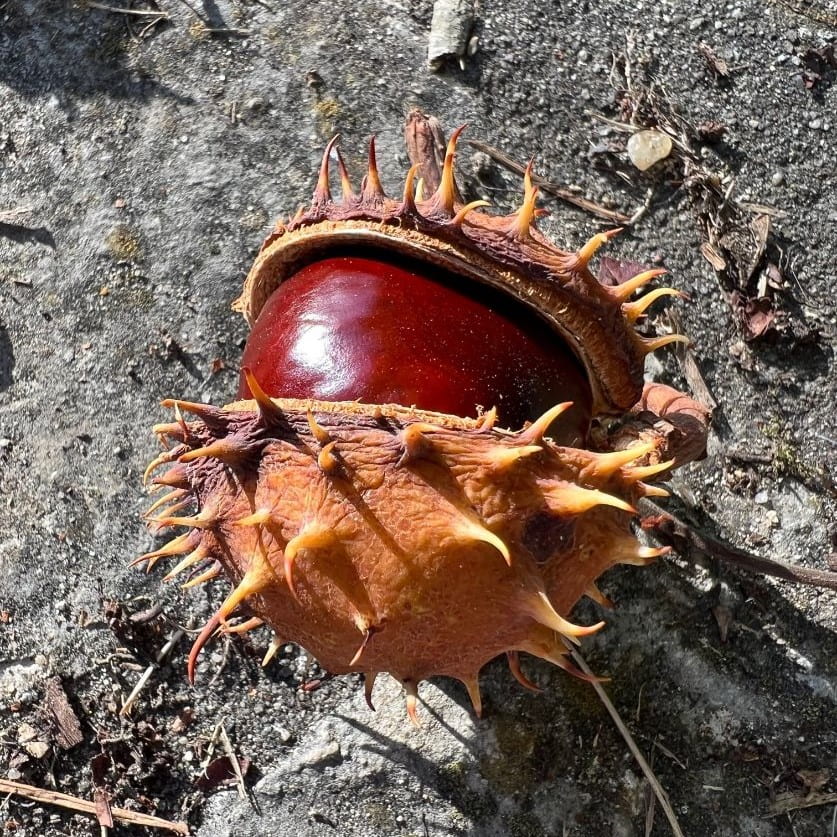
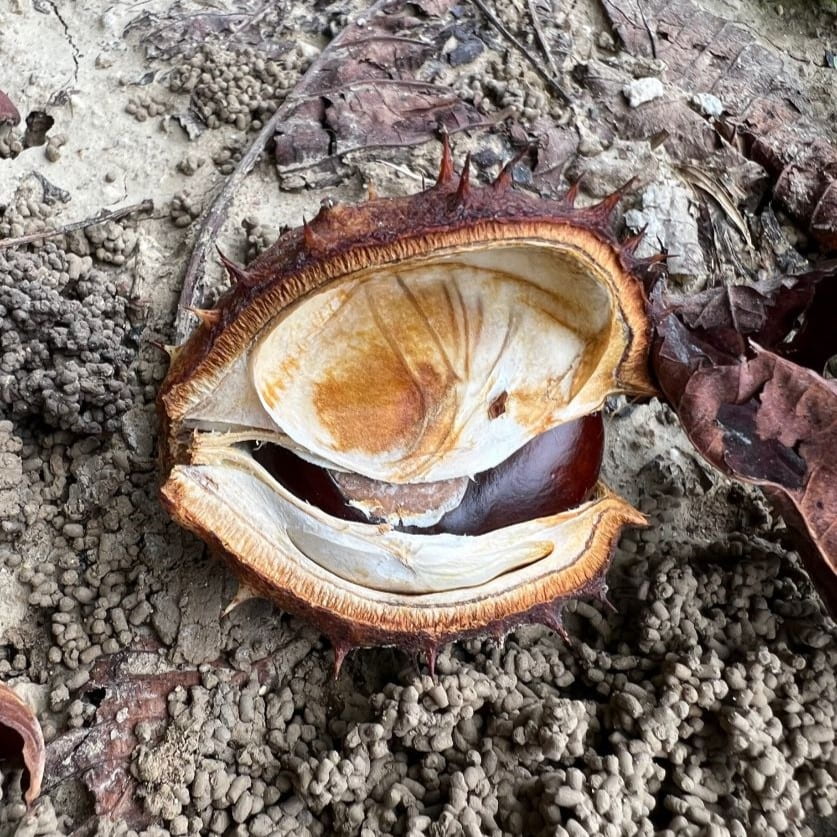
While I was in France last fall, I saw chestnut trees growing throughout the grounds of the chateaus, as well as in parks. These large deciduous trees are easily identifiable by the brown shelled nut that is enclosed in spiky burs. I was especially interested because you rarely see chestnut trees in the United States. Why? Go here for a previous post with the answer.

“Chestnuts roasting on an open fire” are lyrics in The Christmas Song, a familiar holiday carol, but I’ve never roasted chestnuts. Go here to view full screen.

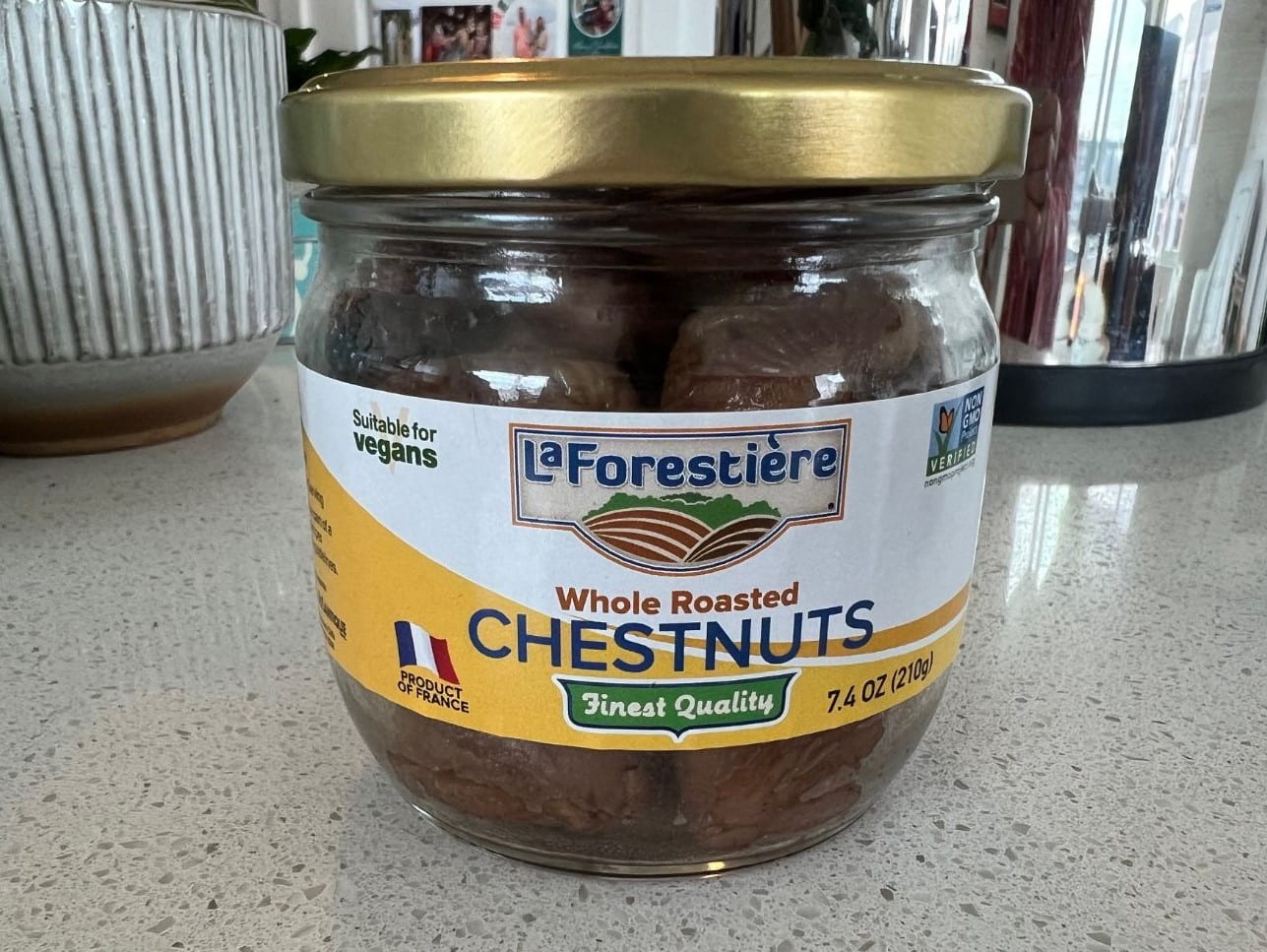
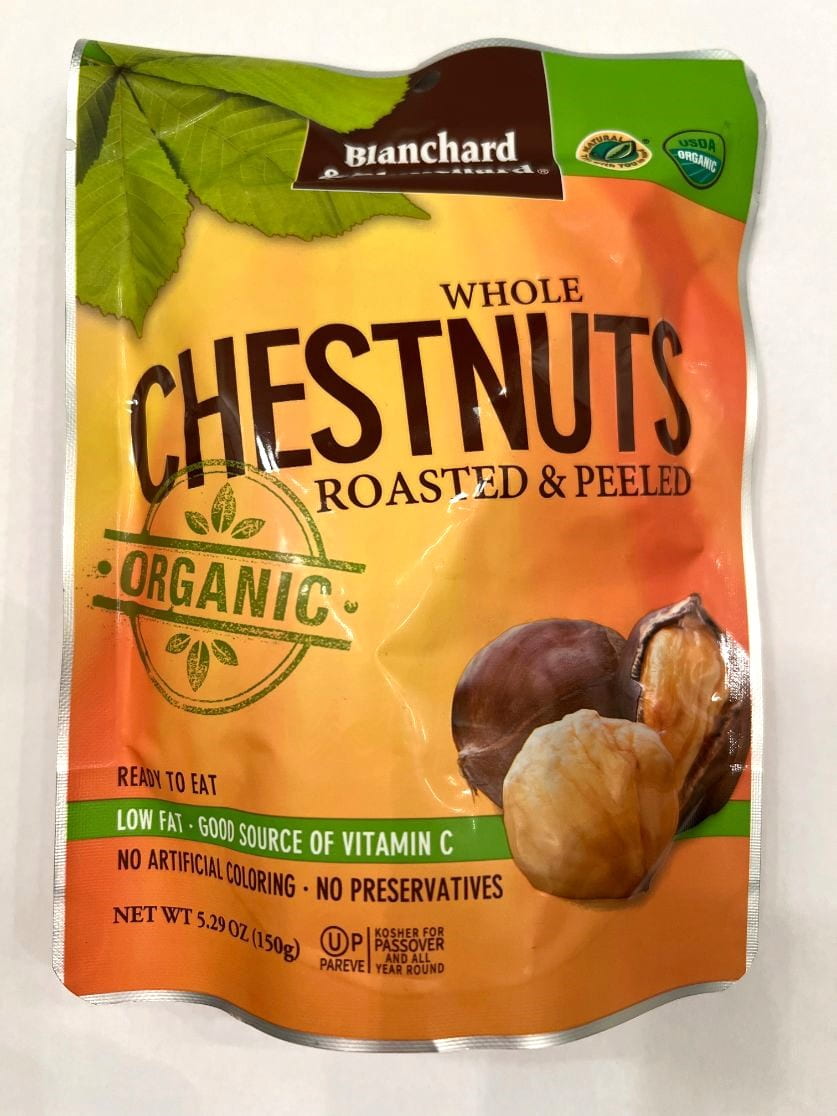
I was hoping to find chestnuts roasting at the Christmas Market in Washington D.C., but no luck. I did taste some chestnuts my daughter purchased at Whole Foods.


December 21

Winter Solstice

According to Britannica, “We know that seasons are caused by Earth having a slight tilt on its axis. As Earth wobbles around the Sun, different points of the earth receive more or less sunlight throughout the year. If Earth wasn’t tilted, the Sun would just shine directly on the Equator all year long, leaving us without seasons. But we also wouldn’t have solstices or equinoxes. Solstices designate the point where the Sun’s path in the sky is the farthest north or south from the Equator, which occurs around the 20th and 21st of June and the 21st and 22nd of December. The summer solstice marks the beginning of summer and is the longest day of the year, just as the winter solstice marks the beginning of winter and is the shortest day of the year. But which solstice happens on which day depends on the hemisphere you live in.” Click here for the entire article.

Watch full screen.

Around the world, many cultures celebrate this day with ancient traditions. Click here for Tinkergarten’s family winter solstice celebration suggestions.

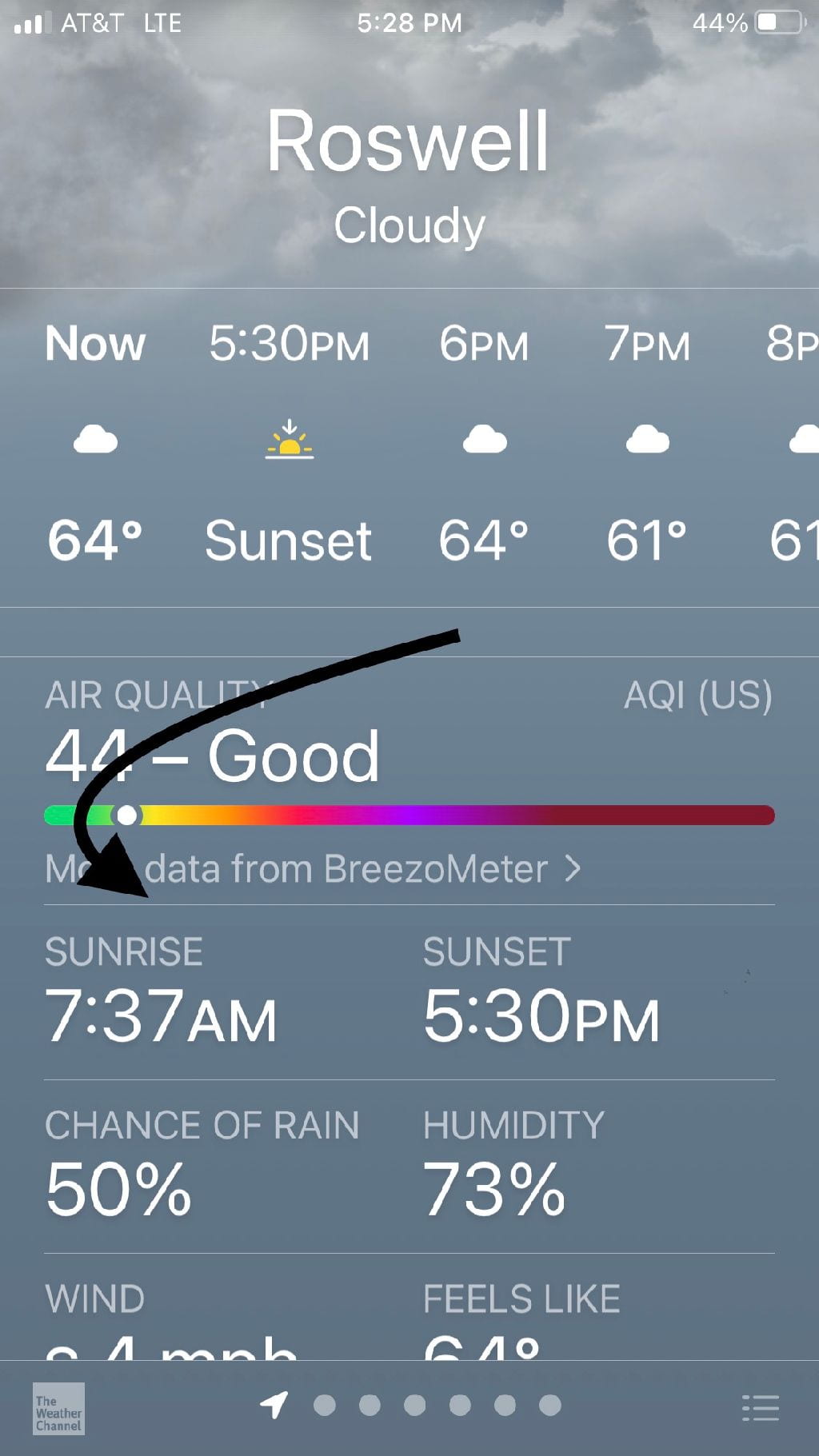
To connect science with math and geography, check a weather app on a regular basis to discover when the sun rises and sets in your location. Record the data and graph your results. Determine how many hours of sunlight you experience each day. Many students find calculating elapsed time challenging.

Comparing when the sun rises and sets in several different cities is another relevant activity. Find the locations you check on a map and analyze results based on the city locations.

December 13

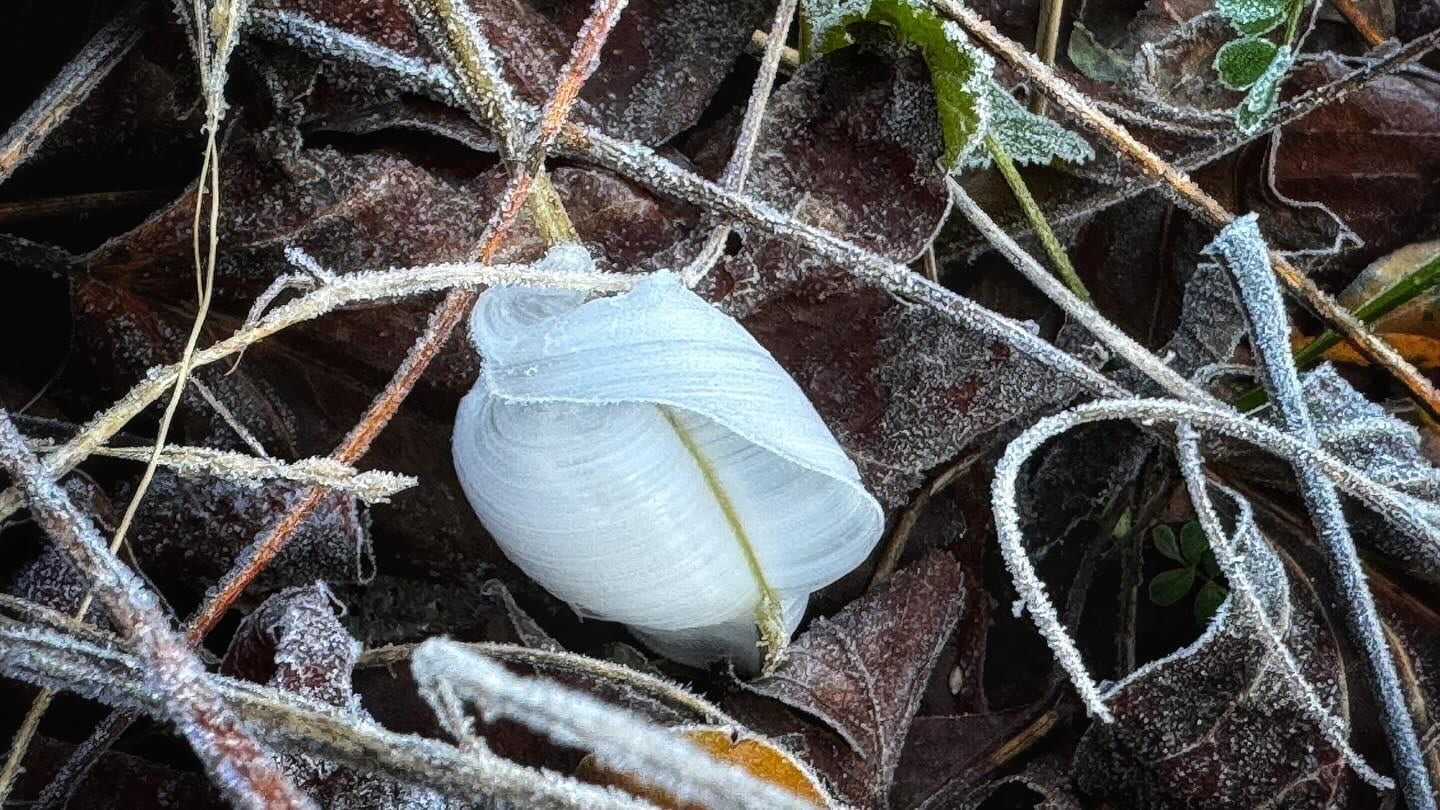
Frosty Morning

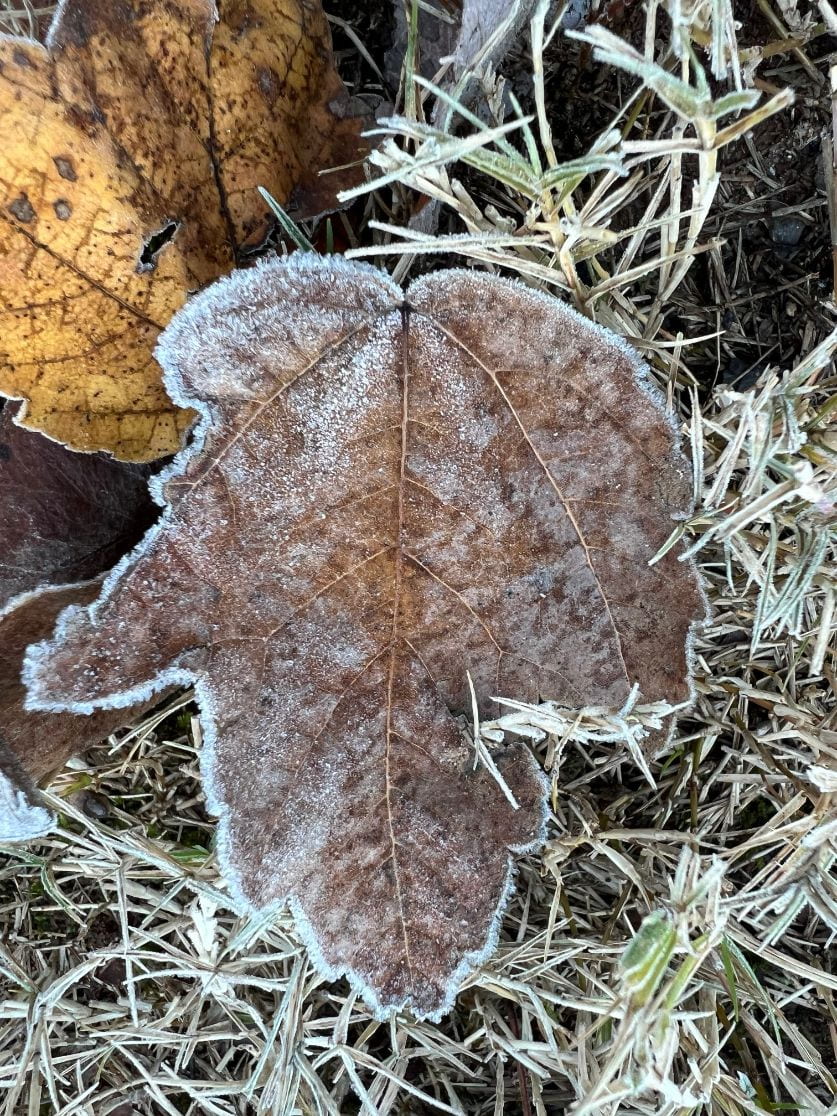
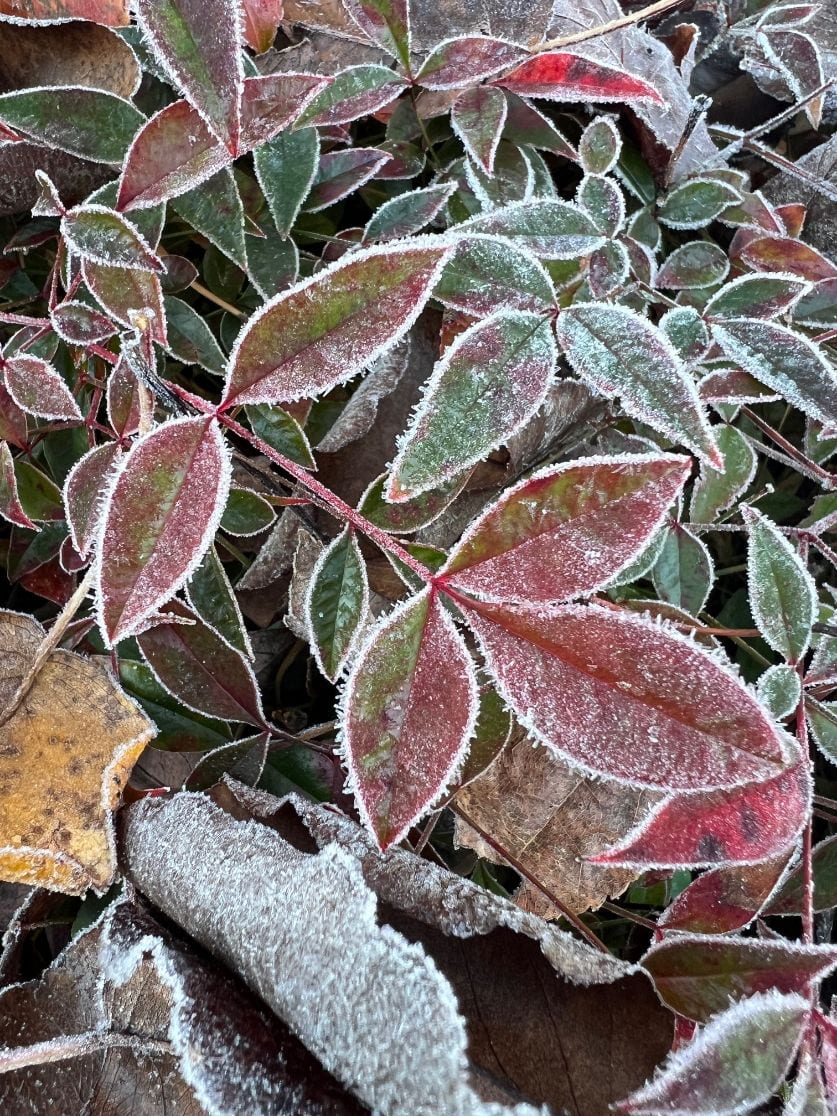
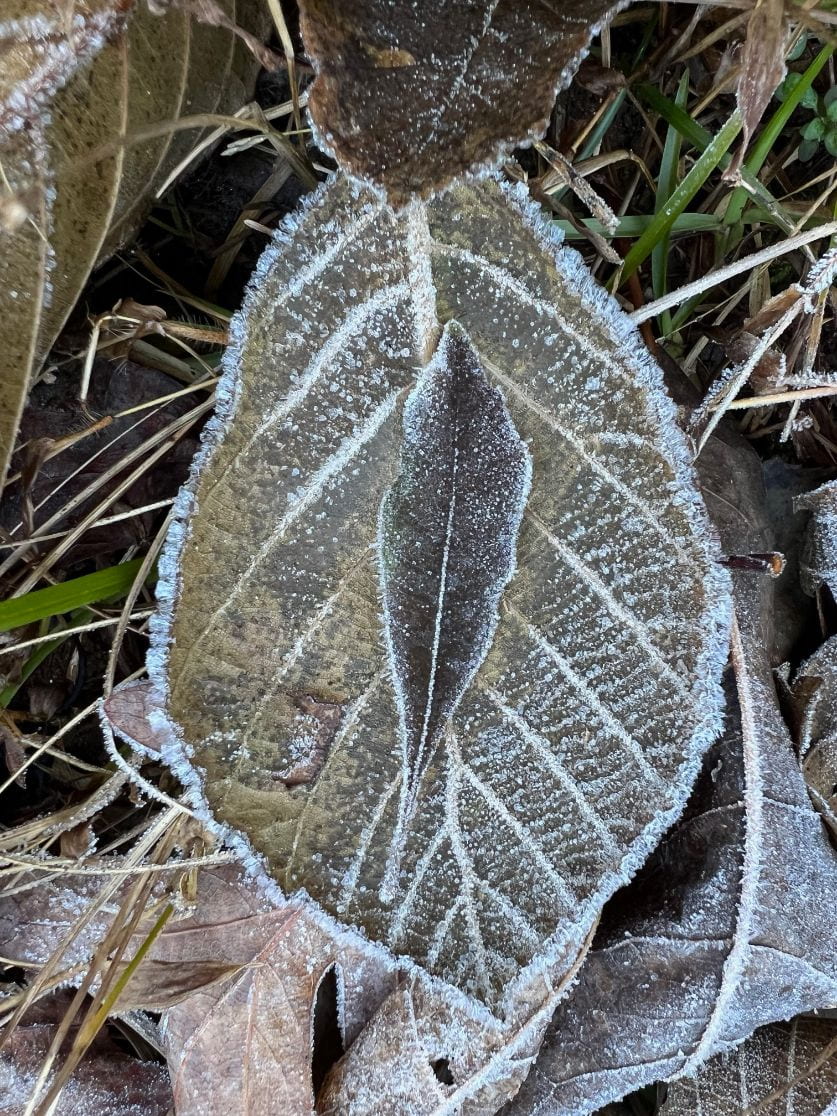
Don’t you think that ice crystals glistening in the sun are breathtaking? It’s often the closest we have to snow in the South!


Why isn’t there frost every morning? Do you know the conditions that are necessary for frost to form? Go here for full screen viewing.

Related Posts

Frost in the Mountains

Frost Lab (Fun and easy)

I’ve always wanted to find frost flowers, but so far, no luck. My friend, Ellen, found these on one of her morning walks in Louisville, Kentucky last October.


What are frost flowers? Go here to learn more about this phenomenon full screen.

Take a walk on a frosty morning and behold the beauty!

Category: Science | LEAVE A COMMENT
December 11

Pileated Woodpecker

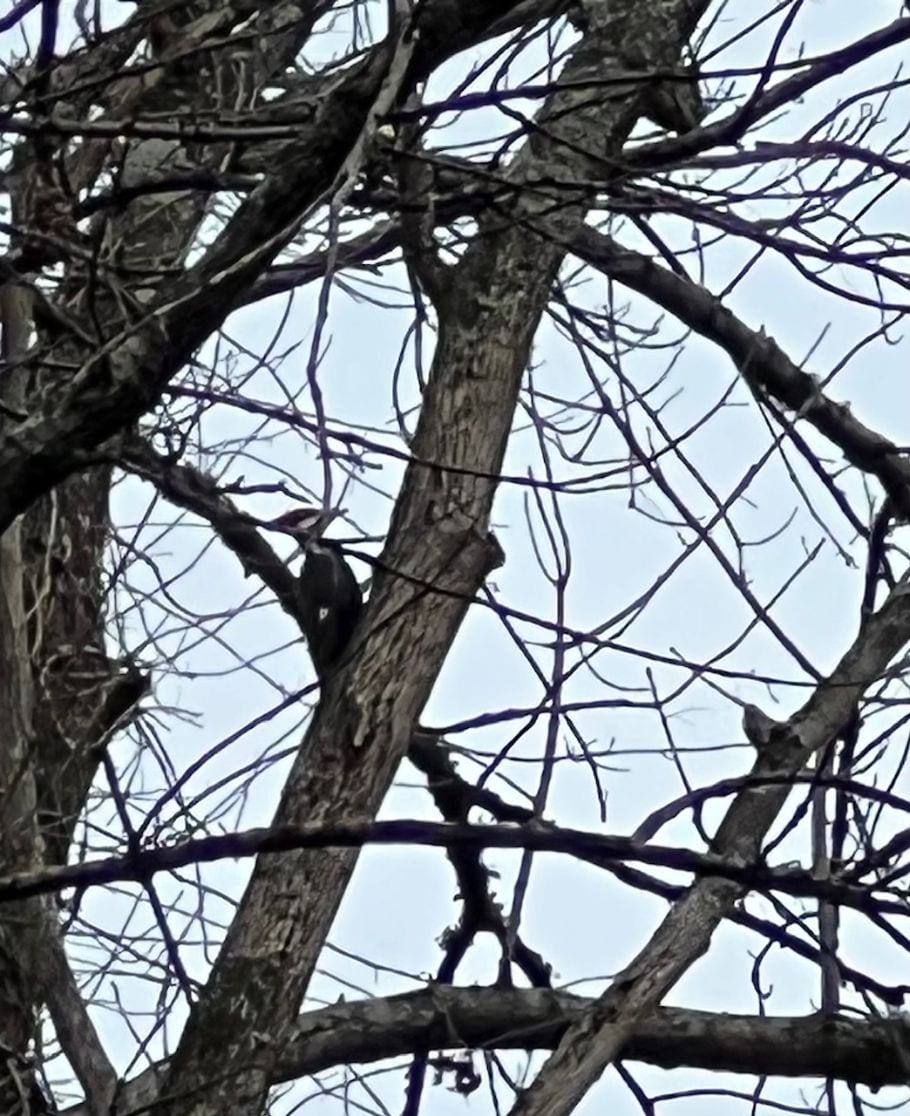
What do you see when you look at the markings on this tree trunk?

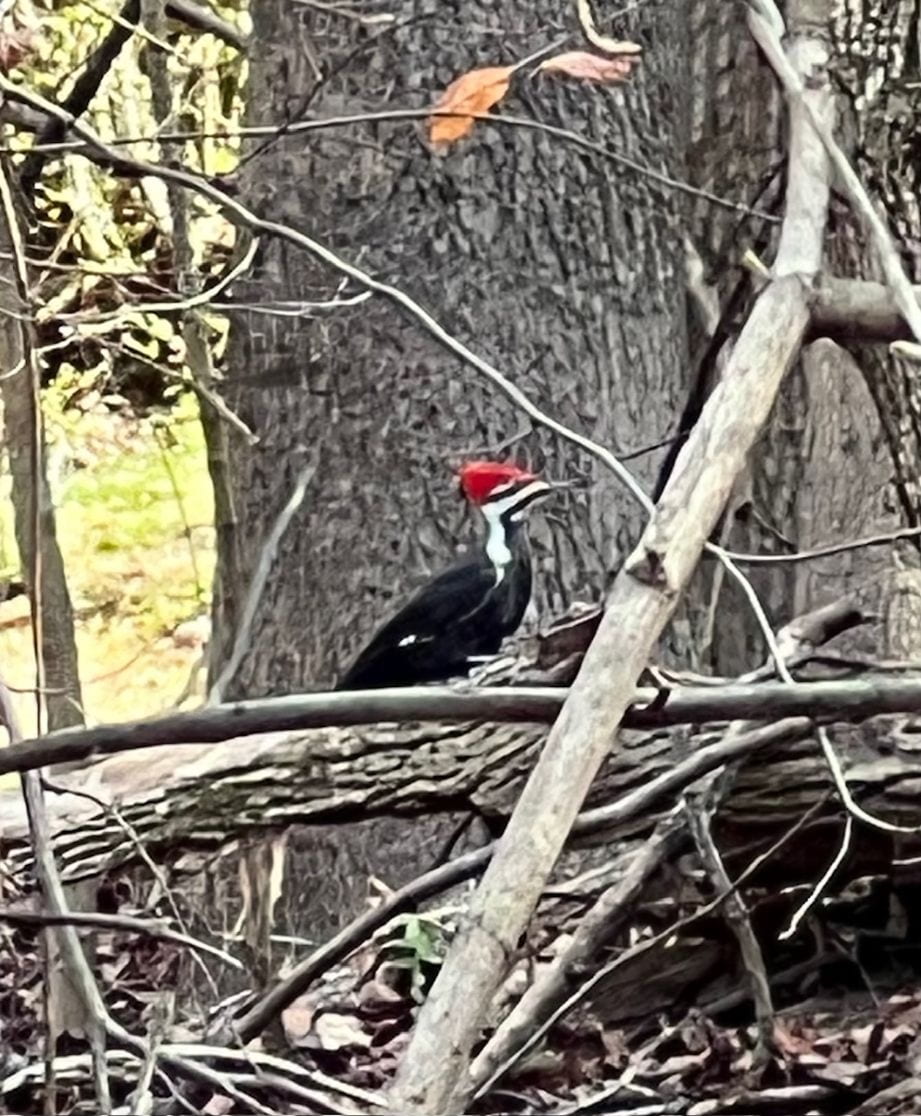
I immediately saw a pileated woodpecker. These striking woodpeckers are the largest woodpeckers found in Georgia. The downy woodpecker is the smallest. Go here to learn more.

Go here to view this interesting video full screen.

I have seen a pair of these beautiful birds on my greenway walks. They are often high in the trees and are easily startled, so Capturing a good photo of one is challenging.

Go here for a previous post about woodpeckers.

Category: Science | LEAVE A COMMENT
December 6

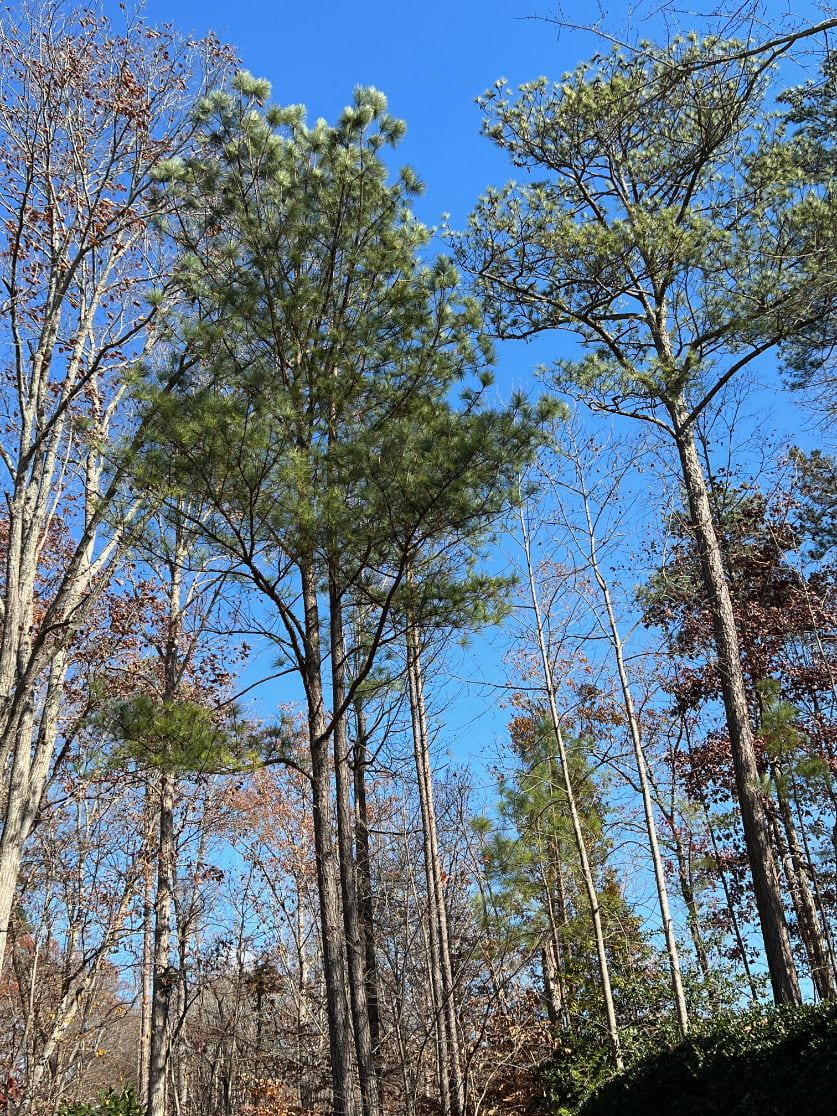
Pine Trees

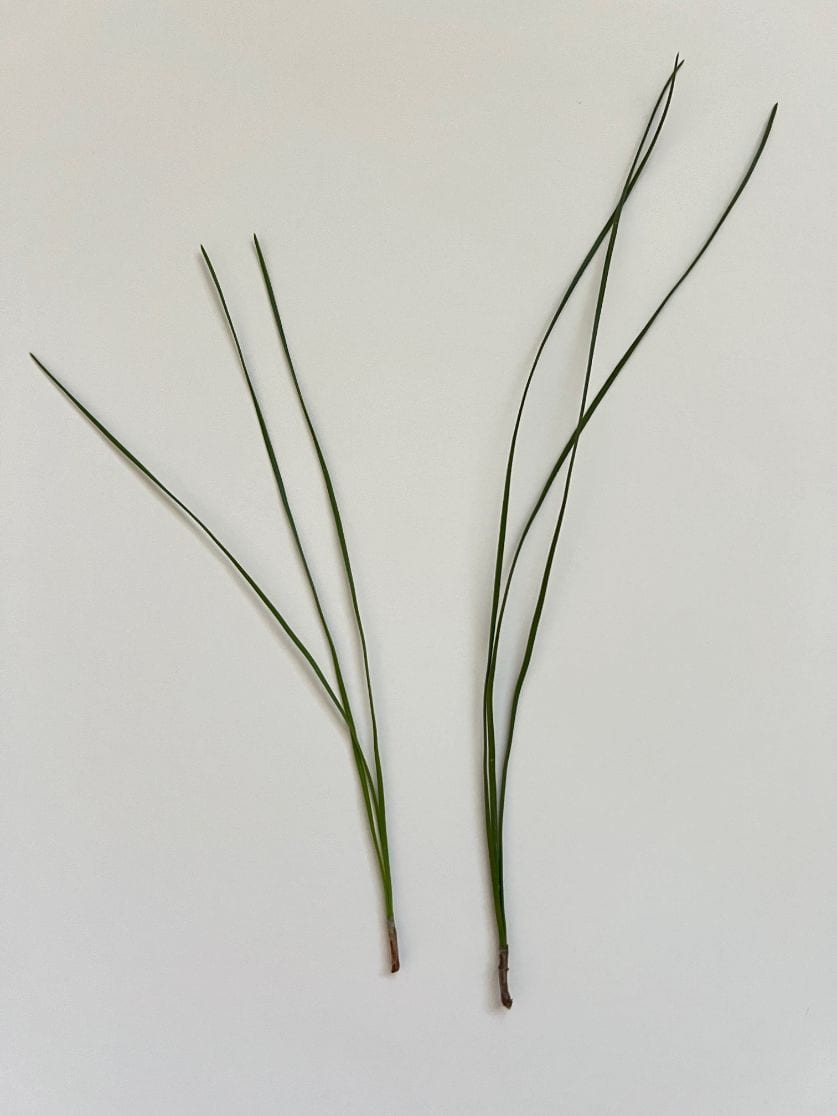
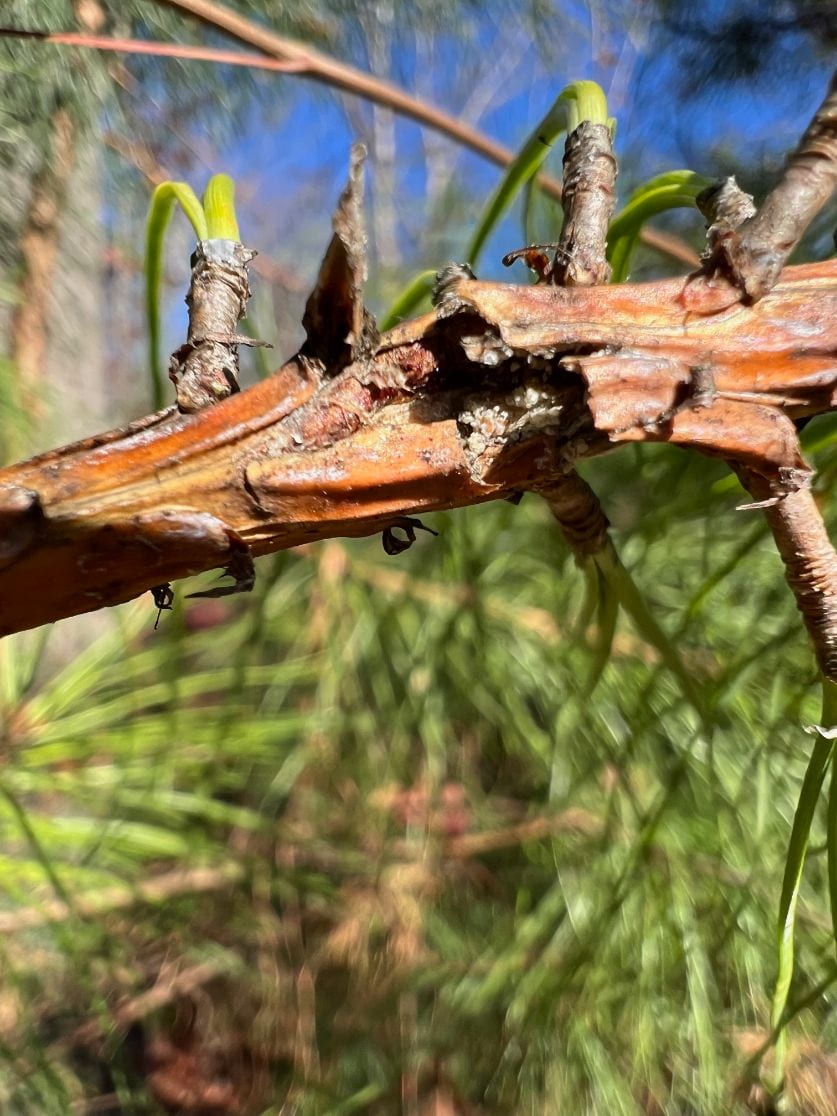
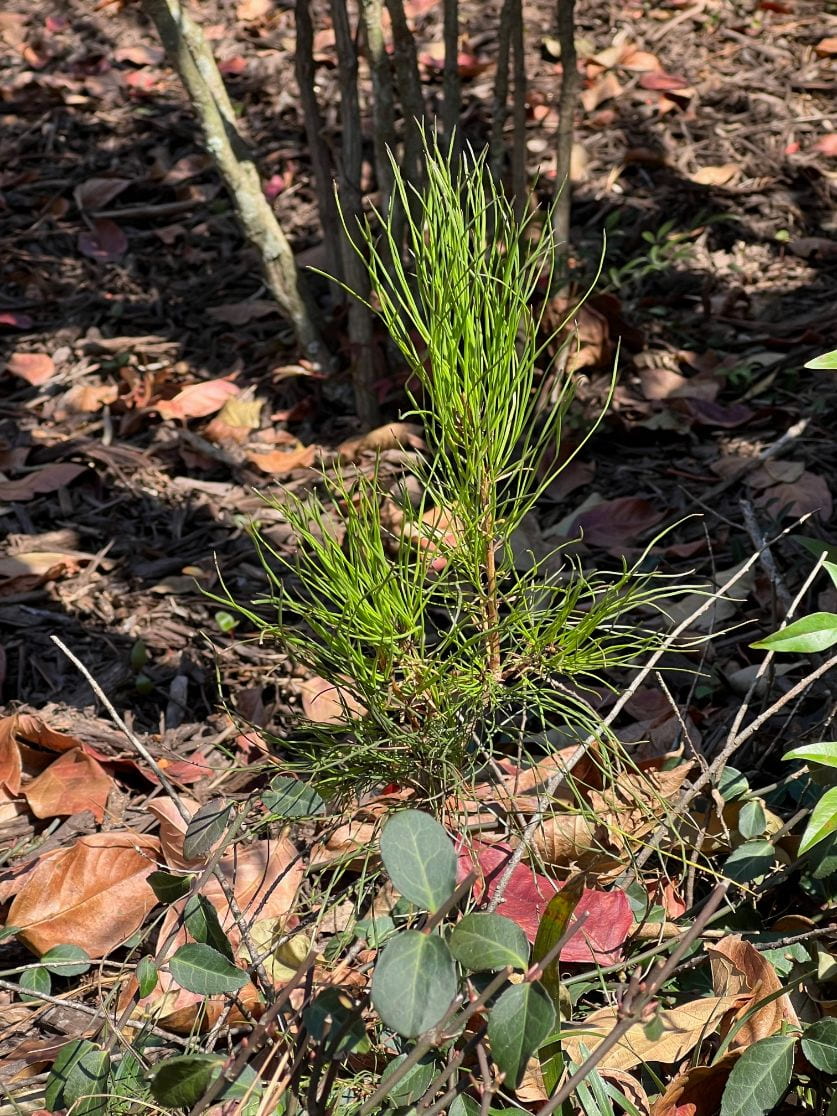
What do you notice about these needles?

Pine needles grow in clusters of two, three, five, or occasionally seven needles on twigs. Pine trees are identified by the number of needles in each bundle (farcical). The length of pine needles varies.

Do evergreens ever lose their needles? Yes, they just don’t lose them all at once like deciduous trees.
November 29

Olive Trees

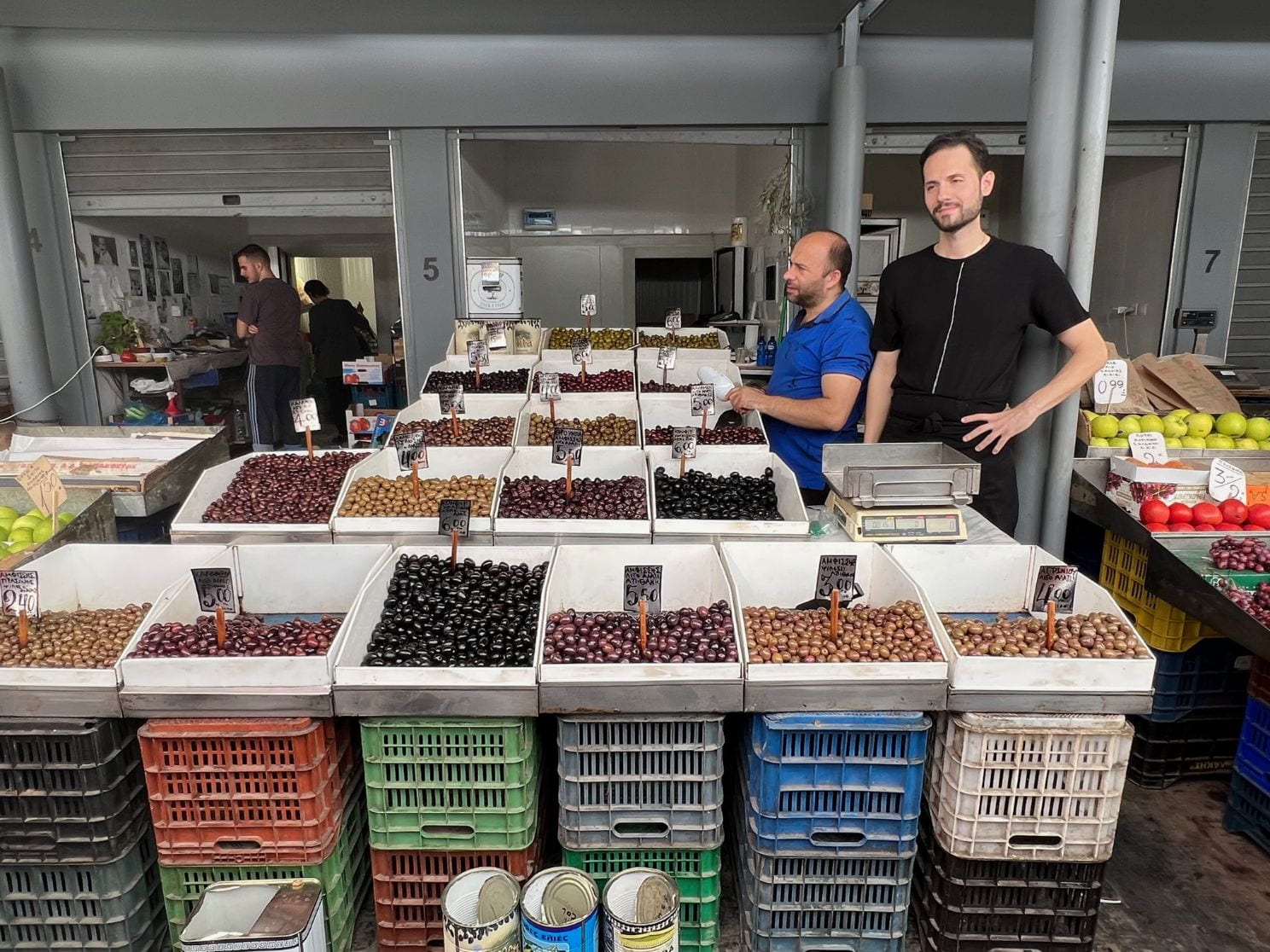
I wanted to visit an olive farm when we were in Europe, but the best I could do was to sample a variety of olives at the market in Athens. There are so many varieties!


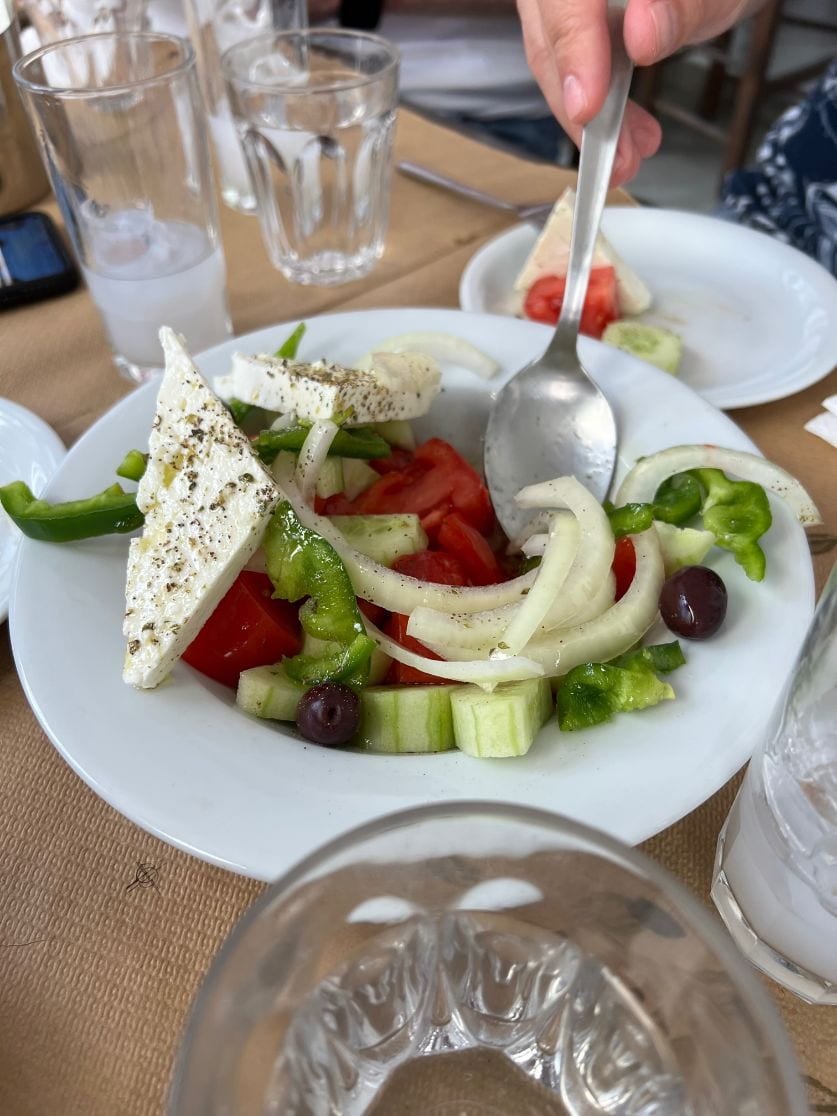
And of course, they were in our Greek salads. Traditional Greek salads do not contain lettuce.

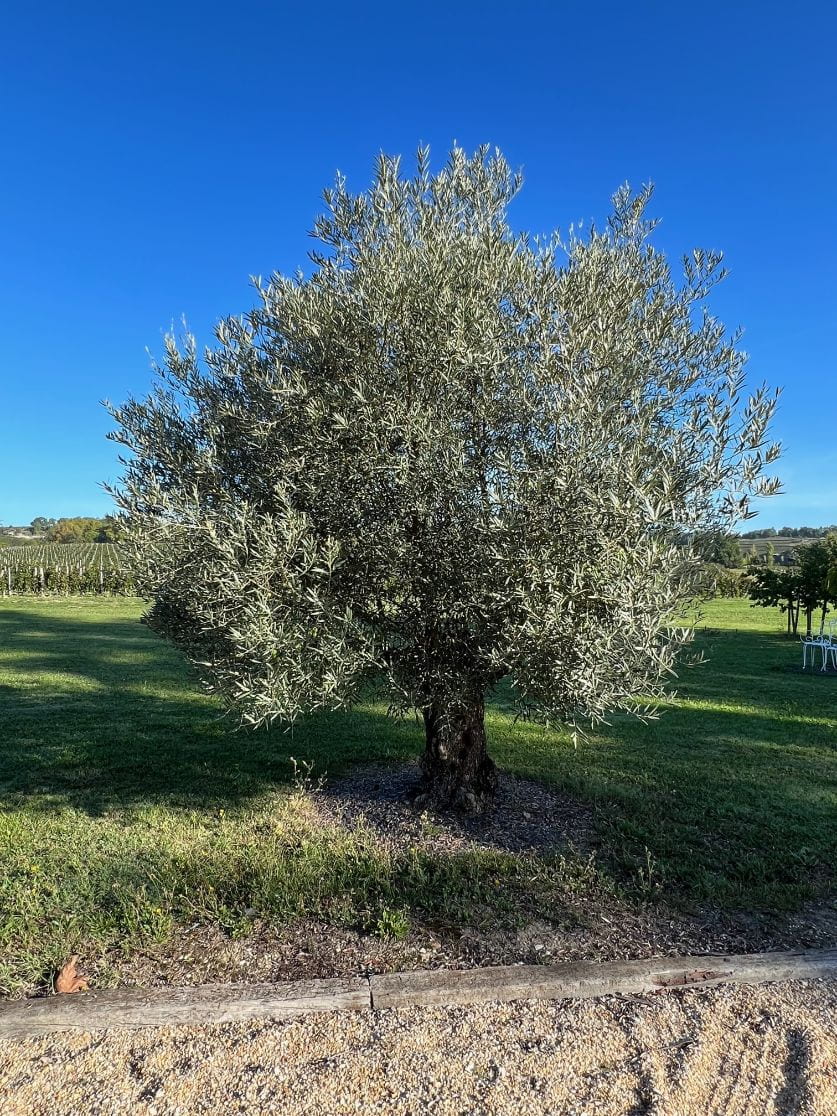
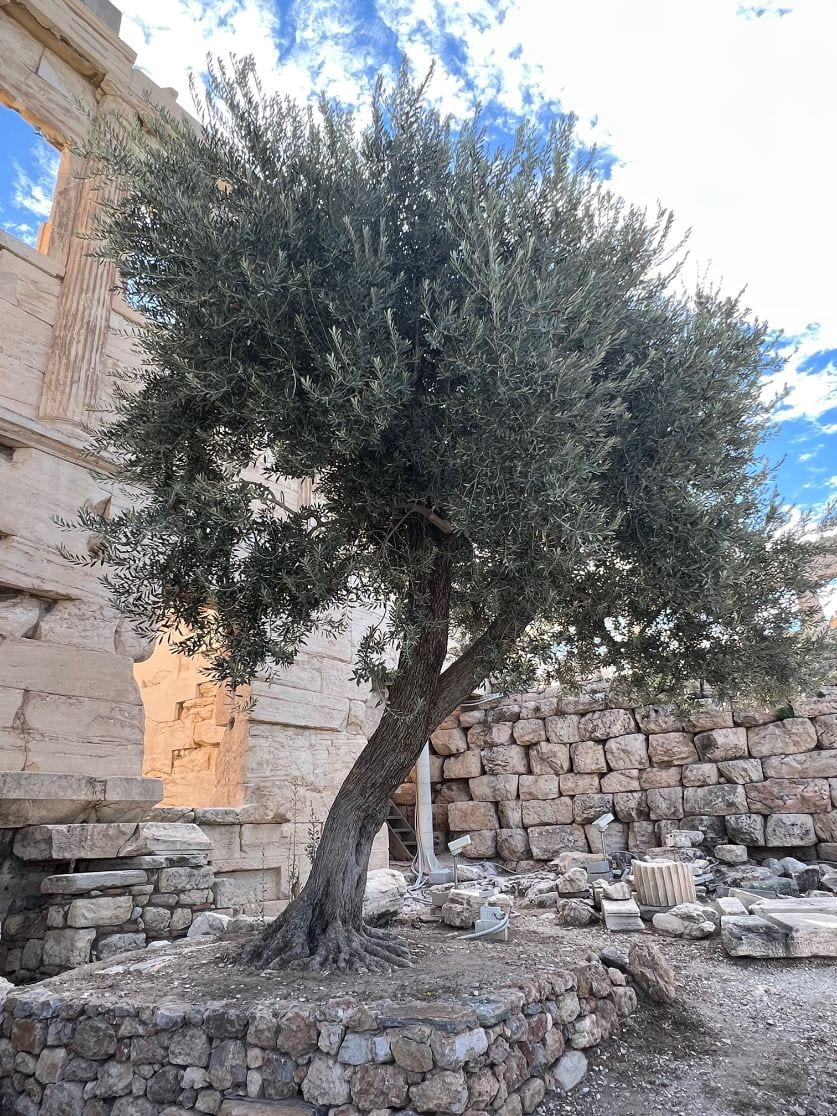
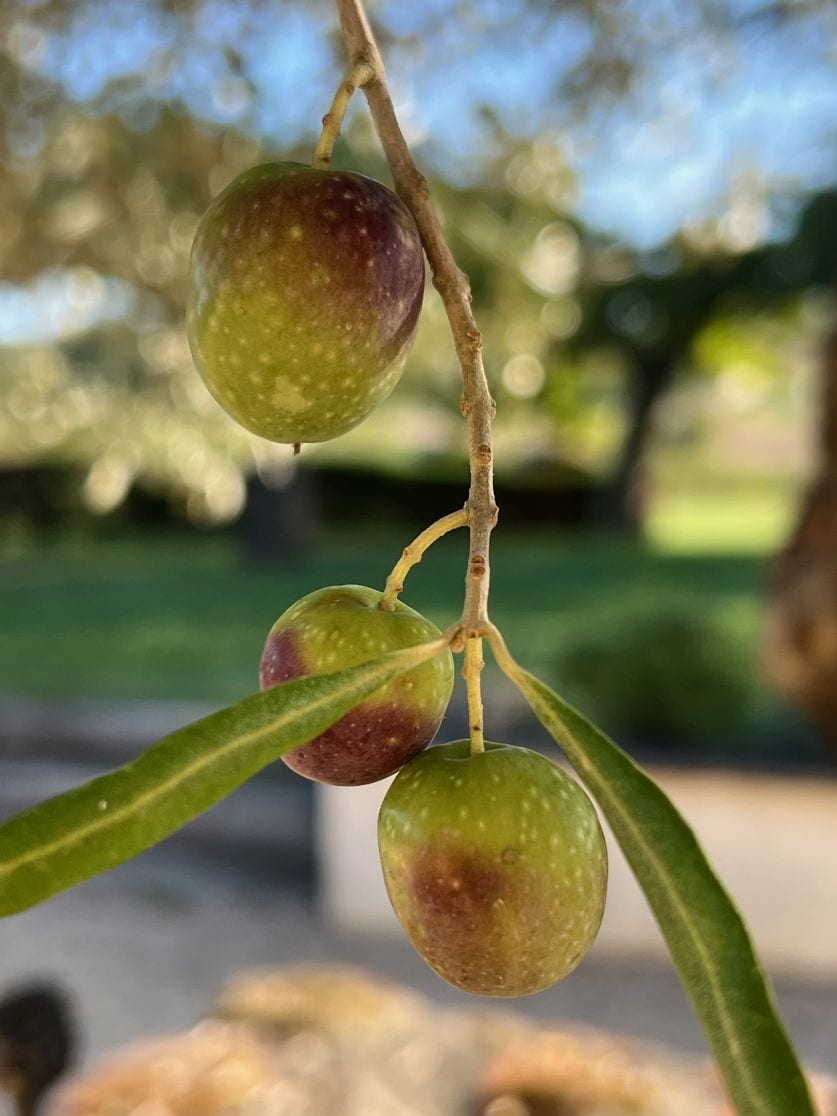
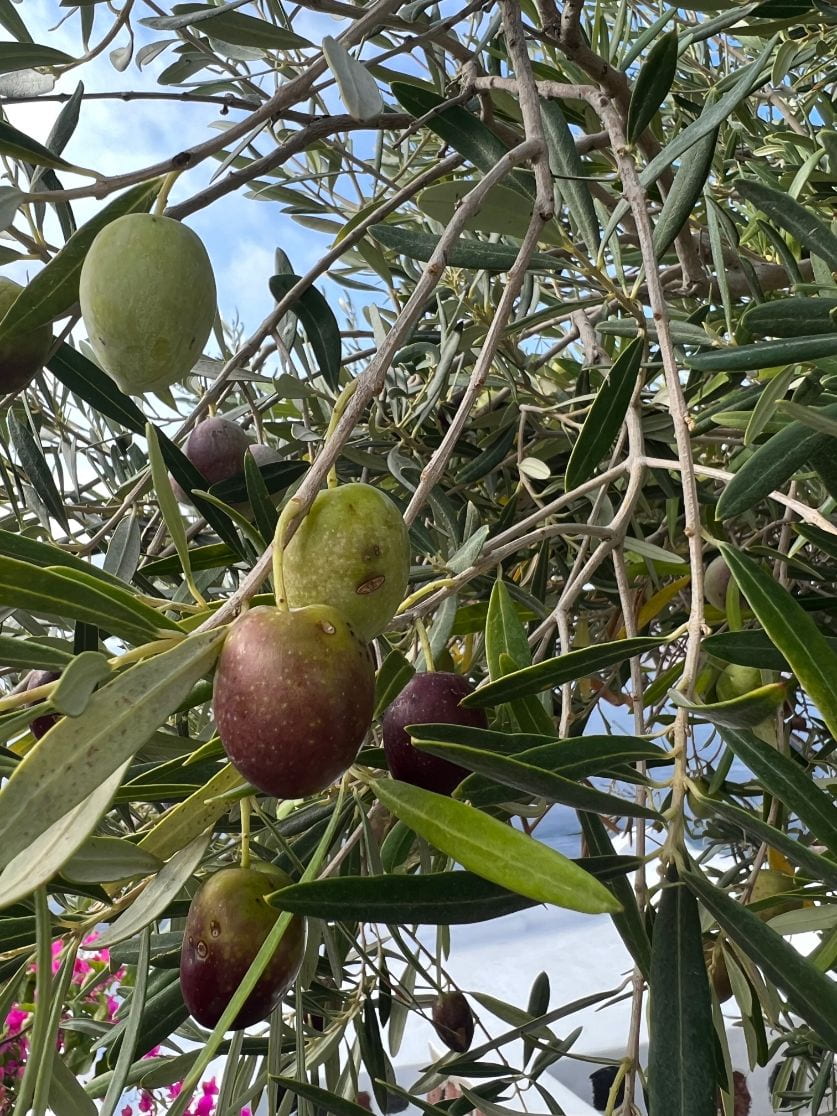
We saw olive trees, short and evergreen, in both Italy and Greece. They are native to the Mediterranean, but olive trees were some of the first old world plants brought to the Americas. Olive trees are grown for their wood and fruit, but primarily for oil.

Growing on the Acropolis

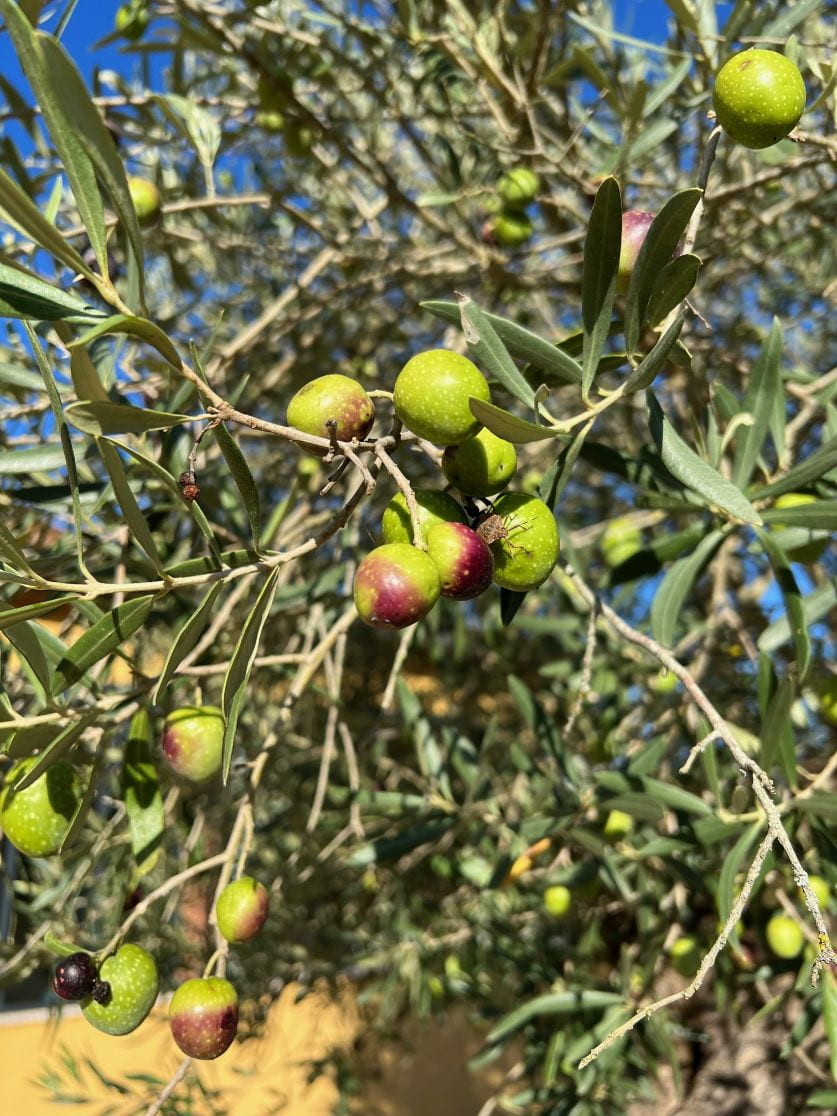
Although olives are a favorite food of mine, I realized I knew very little about how they are grown and harvested. I wondered if it would be tasty to eat an olive right off the tree.

How is olive oil produced? Go here for full screen viewing.

A little more information about traditional practices. Go here to view full screen.

Olives and olive oil have been part of the Mediterranean diet for thousands of years. Include them in your study of ancient Greek and Roman history. You will find mention of the olive tree in science, literature, art, and philosophy. There are also many references to olive trees and olive oil in the Bible. The first time an olive tree is mentioned is in the book of Noah when the dove brings back an olive branch. Both the olive tree and dove became symbols of peace.

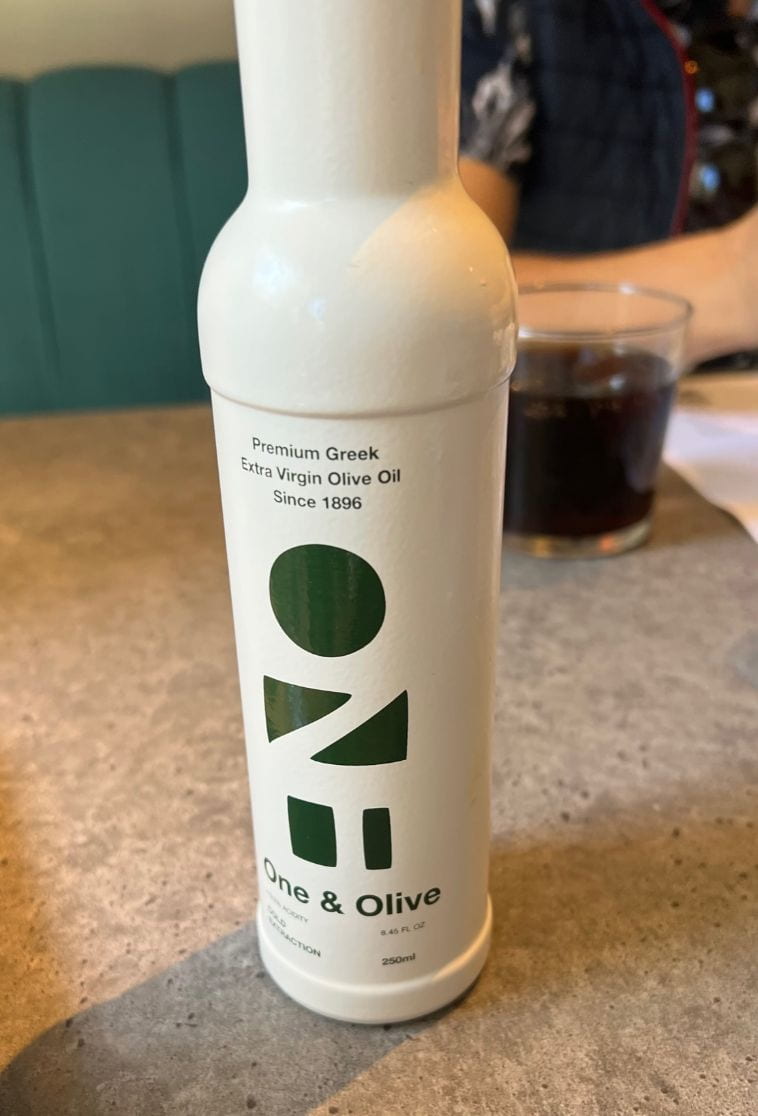
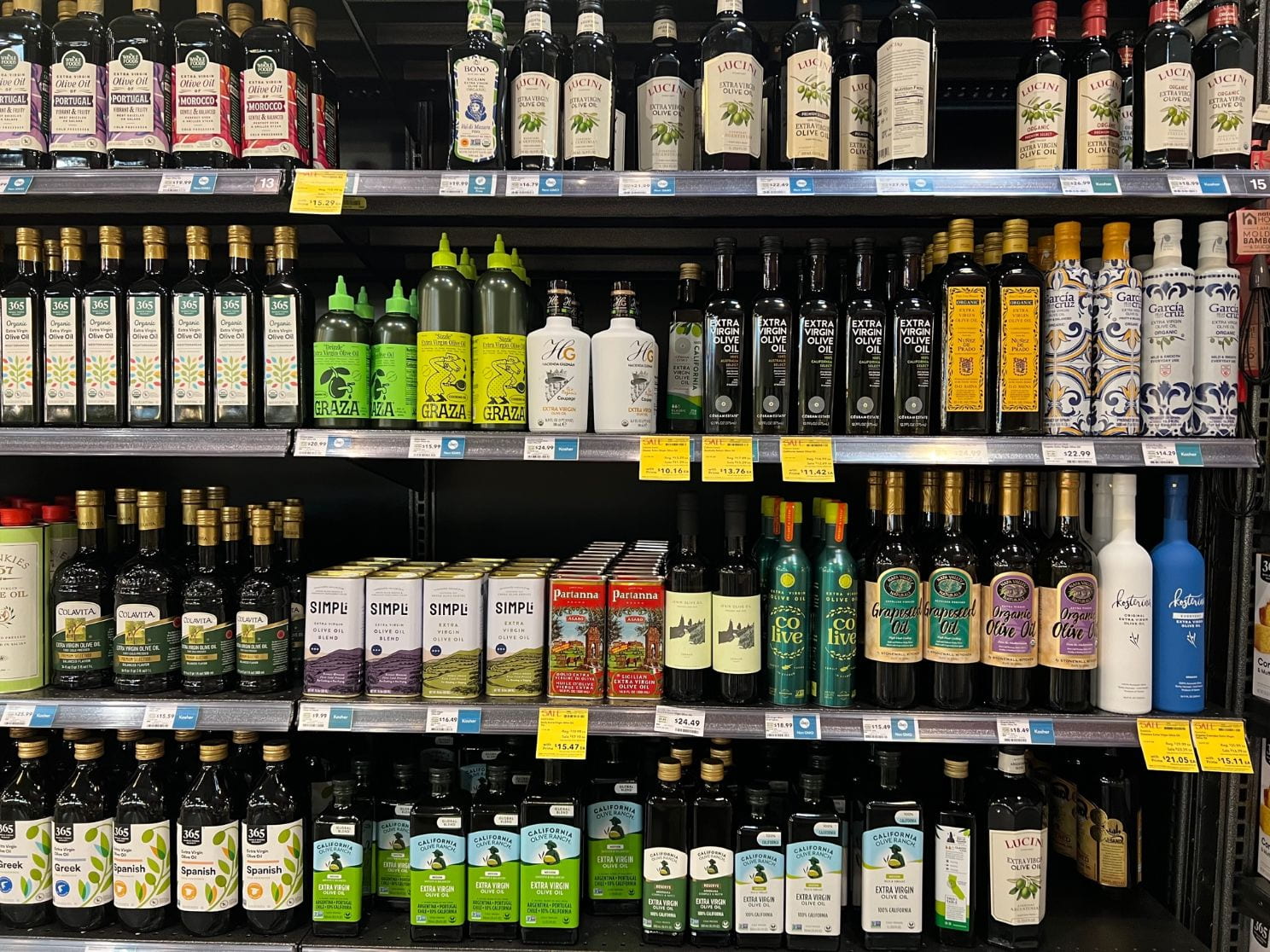
Have an olive tasting party with your students or family and learn the names of several olive varieties. Do you have an olive bar at your local grocery store? Give each participant a few cubes of bread and dip them into a different olive oil brands. When you are shopping with your children, compare the types of olive oil available. Read the labels. The bottle of olive oil below was recommended by our Athen’s food tour guide.


Have you tried growing an olive tree? Go here to view full screen. Listen for the reason why you shouldn’t eat an olive directly off a tree.

November 27

Symbiosis

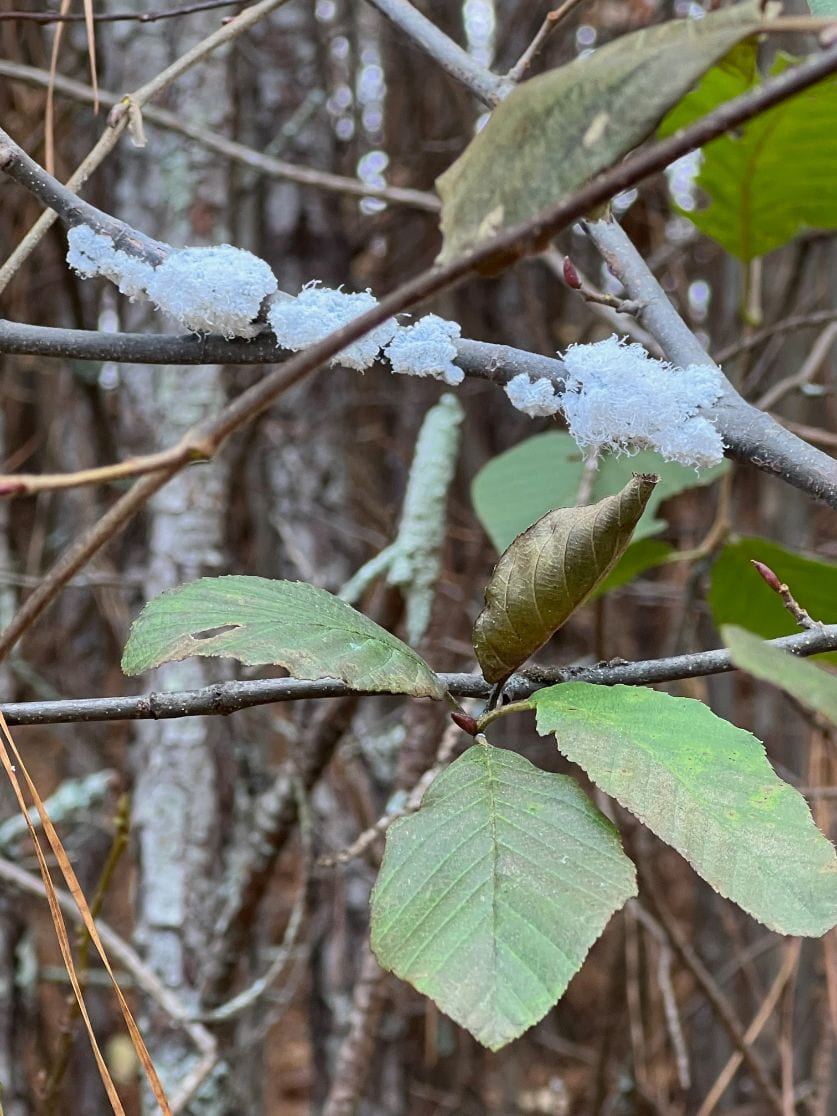
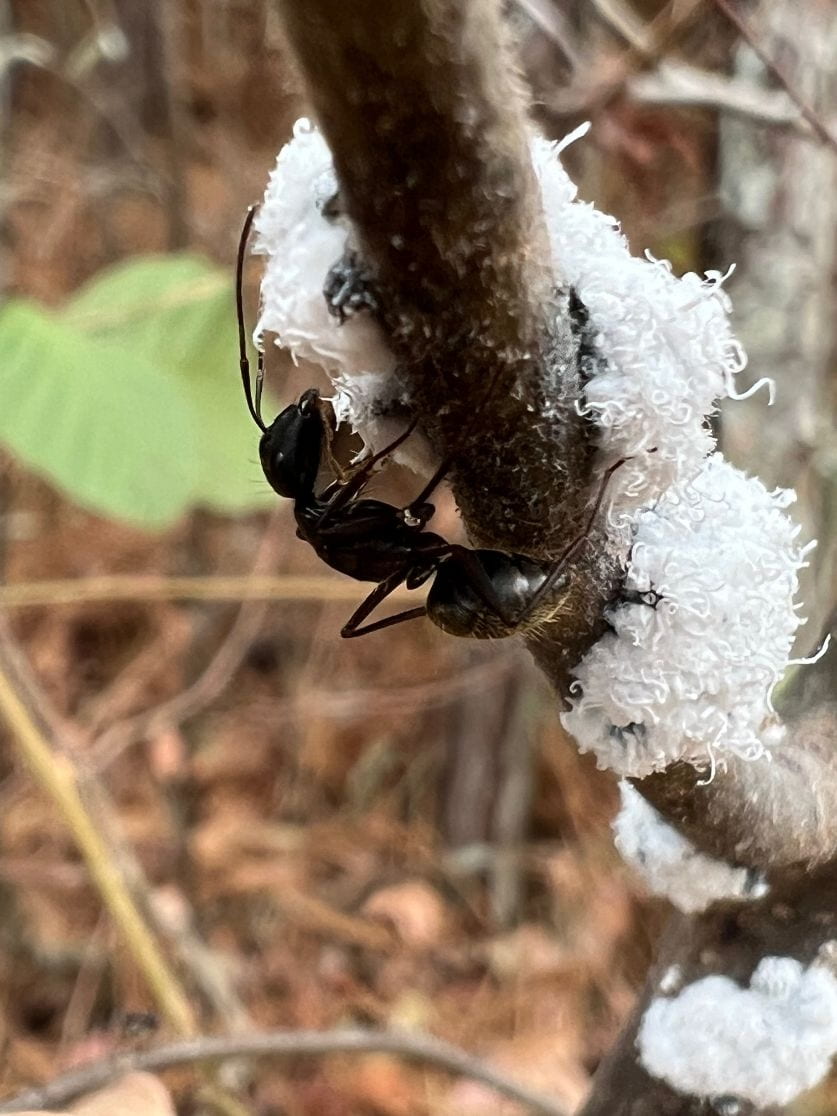
As you scroll through these photos, what do you notice? What questions do you have about what you see and what conclusions can you draw?


Mealybugs and ants have a symbiotic relationship. In this type of symbiosis, two different species obtain a mutual benefit from their relationship. Mealybugs are soft-bodied insects that infest plants, suck sap, and produce honeydew. Ants collect and eat the honeydew and in return, care and protect the mealybugs from predators. Vintners have learned that reducing the ant population in their vineyards will help control a mealybug infestation.

Go here to watch a Study Jam about symbiosis.

Go here to watch full screen.

What are other examples of symbiosis? Studying symbiotic relationships is a fun adjunct to any study of living things. Identify the symbiotic relationship in this post about Spanish moss. Go here.

Related Post

November 20

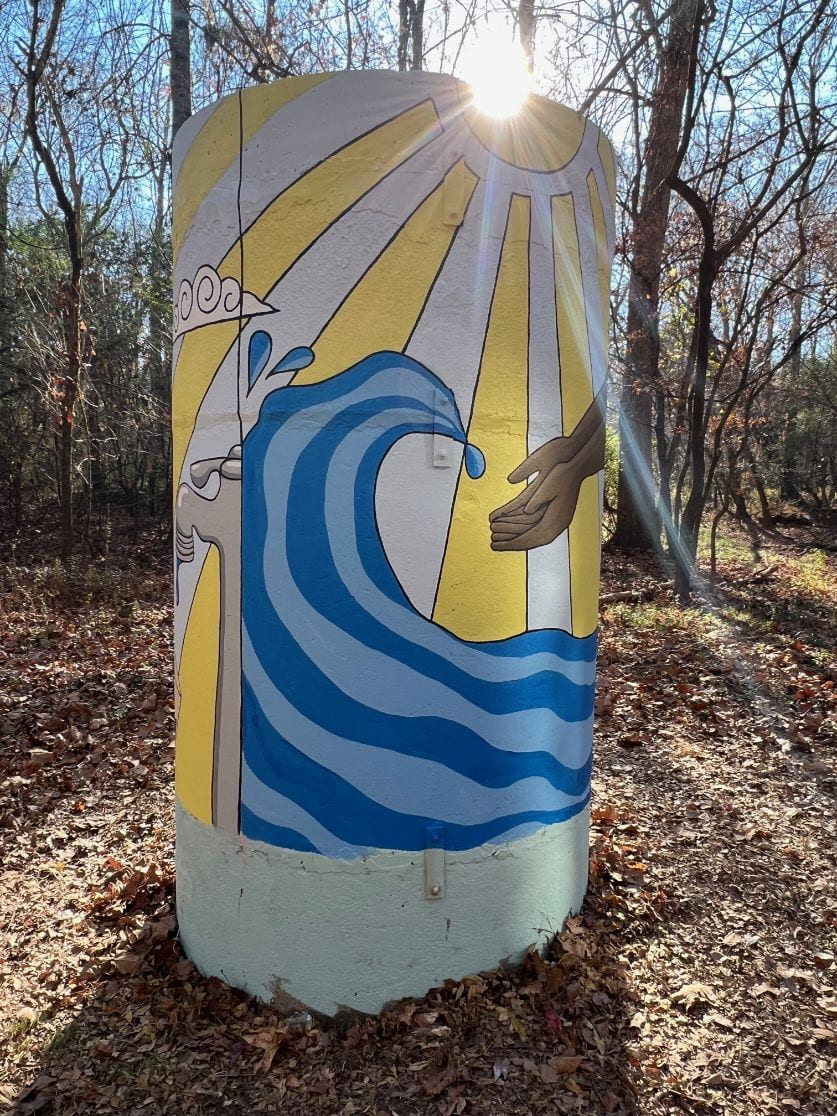
Mural Trail on the Greenway

In this season of giving and gratitude, I want to thank each of you for being a part of my blog family and community. I hope that my posts have helped you learn more about the outdoors and supported you in your work with children.
____________________________________________________________________________________

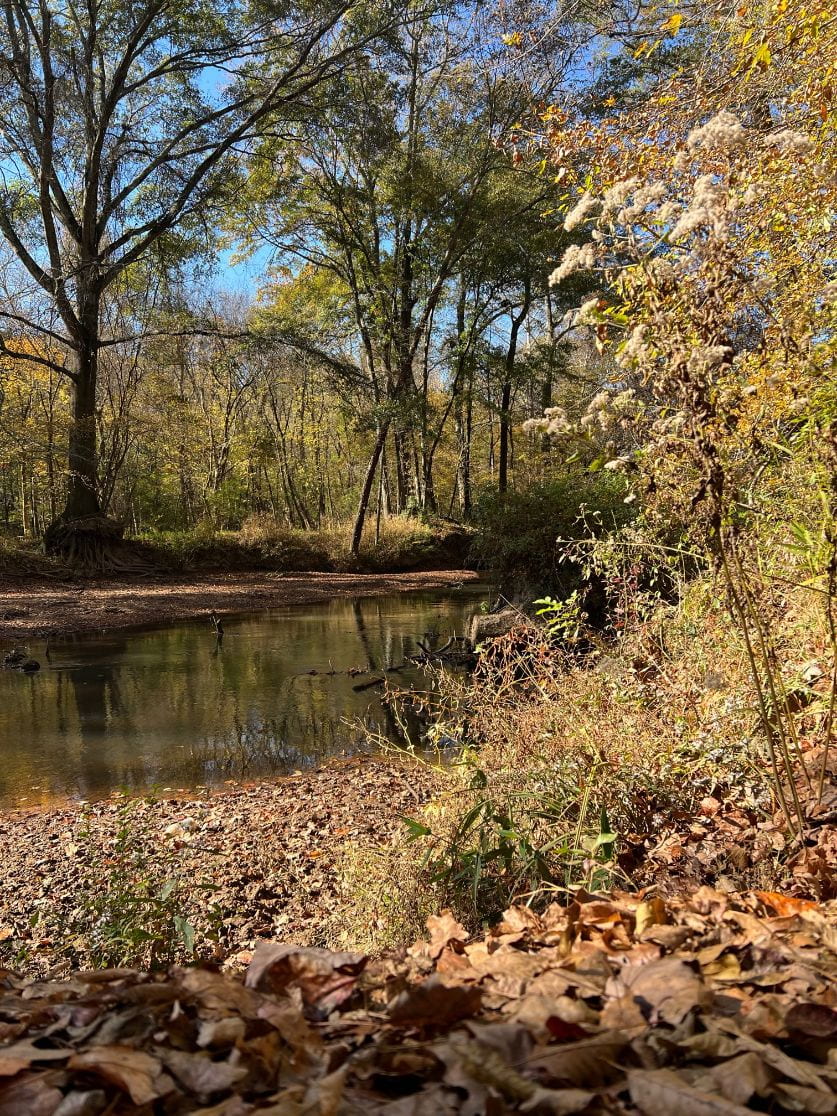
I look forward to my walks on the Big Creek Greenway and many of my blog posts are inspired by my time there.

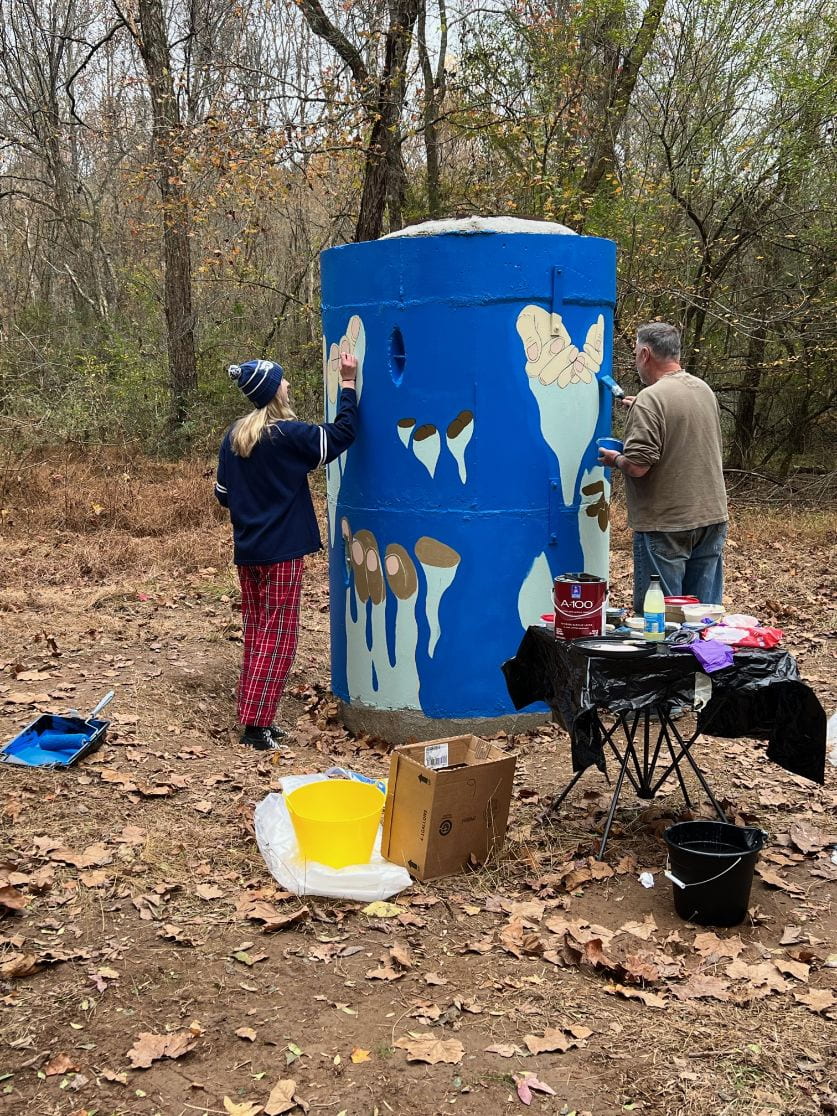
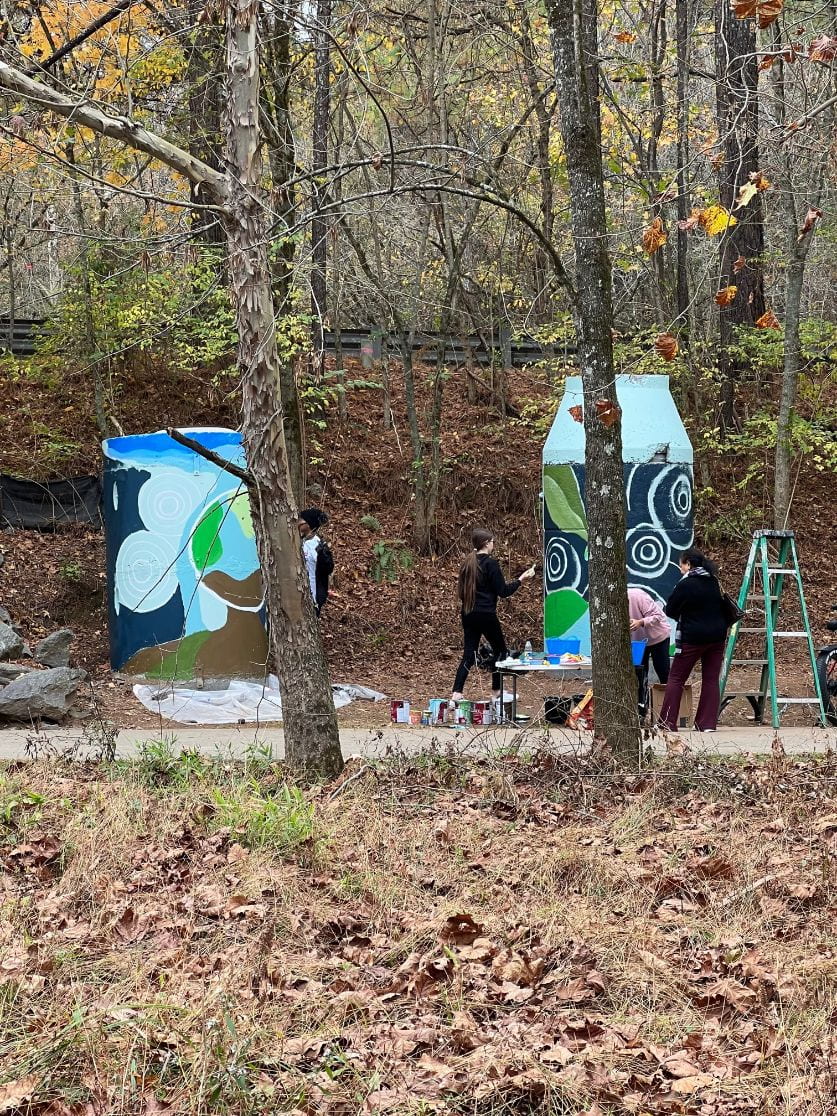
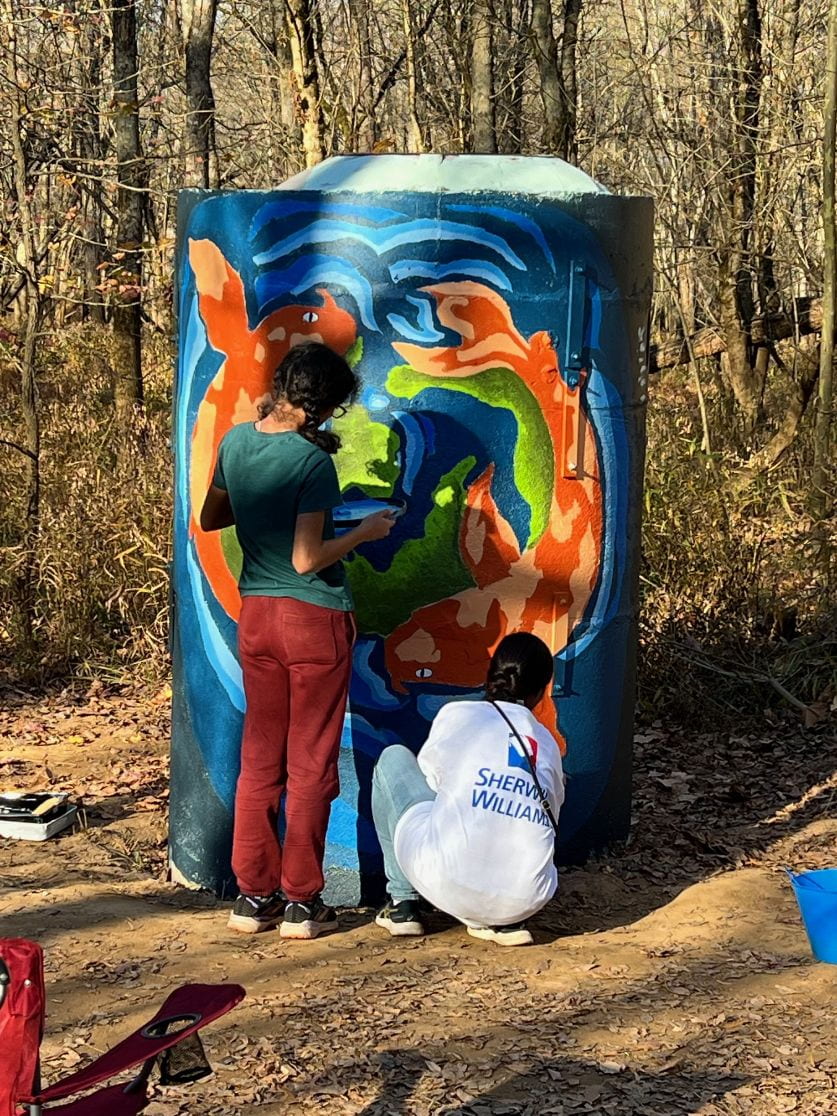
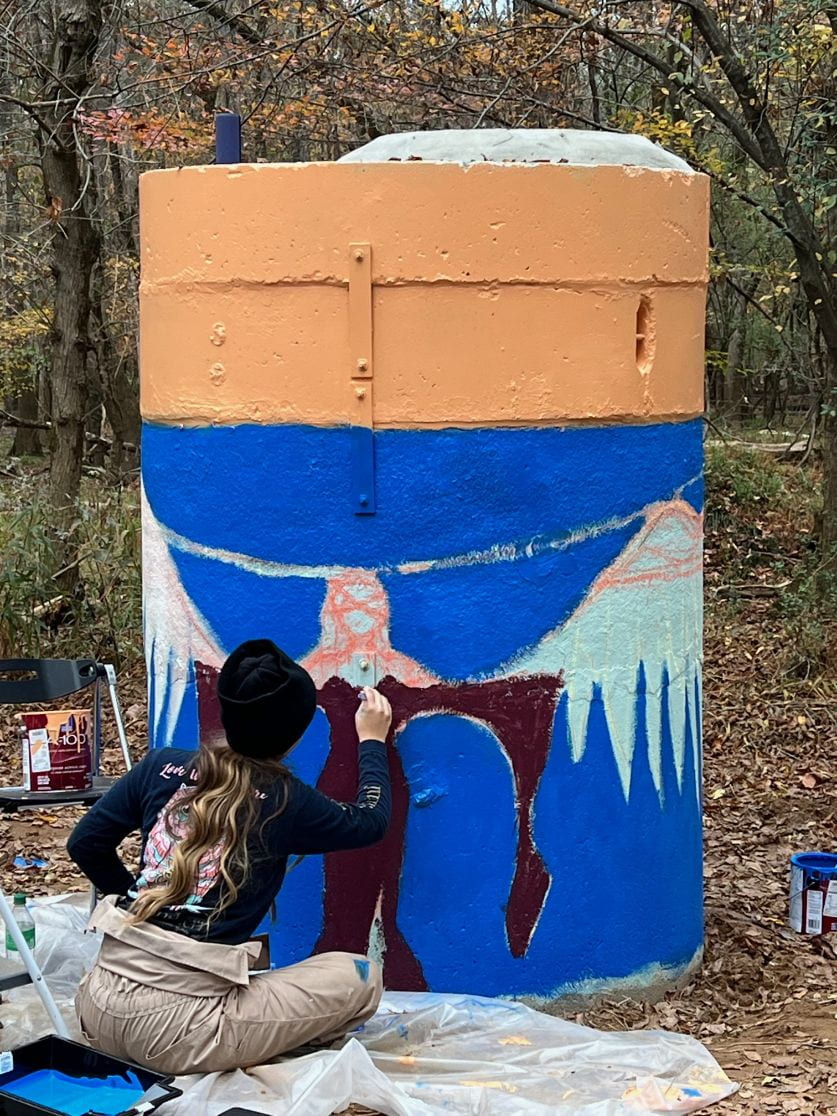
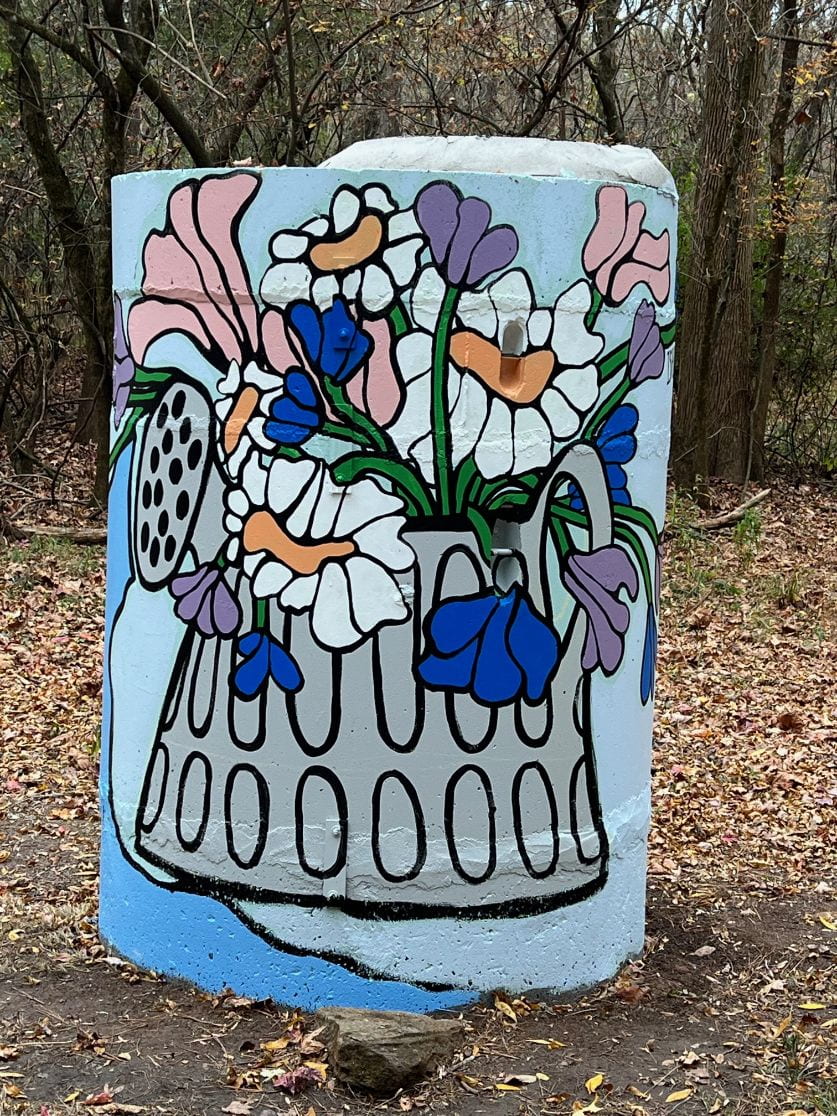
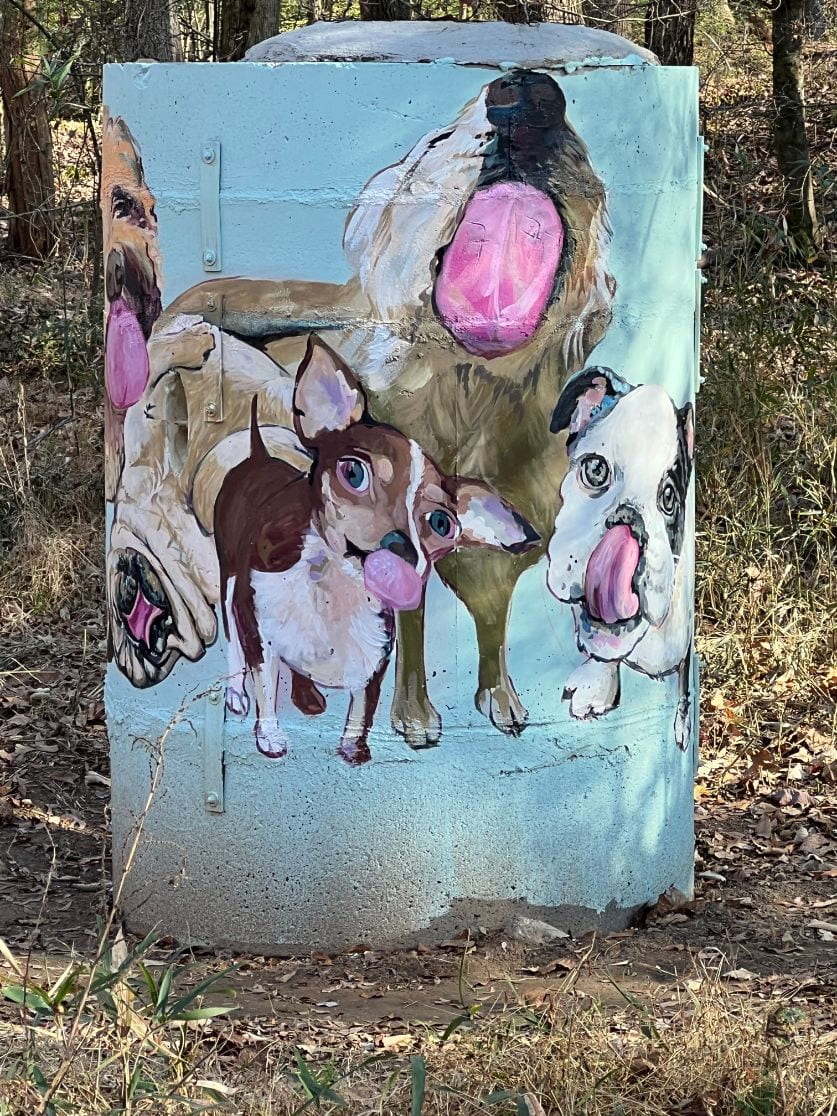
Recently, I saw numbers painted on some of the raised manhole covers that are scattered along the twelve-mile trail and subsequently learned that the North Fulton Rotary Club had chosen local high school artists, under the guidance of a professional mural advisor, to paint nine of the sixty manholes. According to Rotarian Richard Matherly, “The New Alpharetta Greenway Mural Trail will advocate clean water for all and celebrate plant and animal life on the greenway.”  The Arts Commission and Public Works Department also cooperated in the success of this community building project!

Work in Progress


Finished Work


Do you have any areas around your neighborhood or school that could be improved through a cooperative project?

Category: Art, Science | LEAVE A COMMENT
November 15

In November

November is a transition month where I live in the Southern part of the United States. Fall blends into winter and everything in nature seems to be tired. The vibrant color palette of scarlet, burnt umber, and ochre becomes muted, as the brown shades of winter become dominant. Creation is ready to rest.

Some of my blog family in the Southern hemisphere are moving away from the browns of winter. You will appreciate the related post below.

Go here to view full screen.

Related Post 

November 13

Fall Art

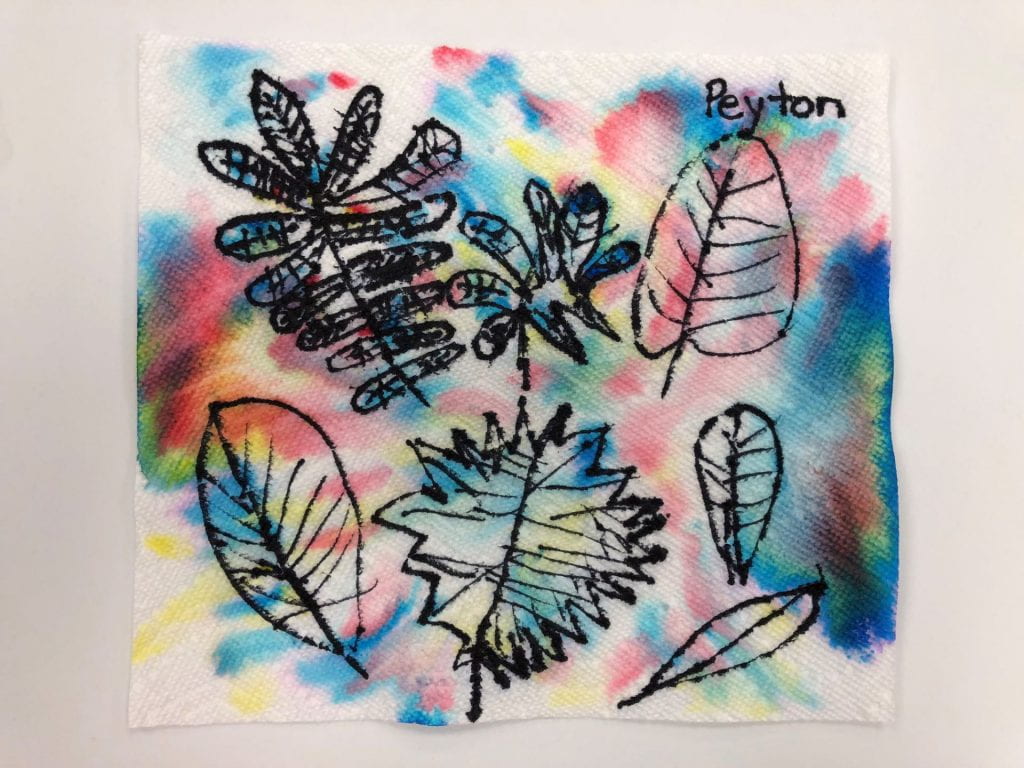
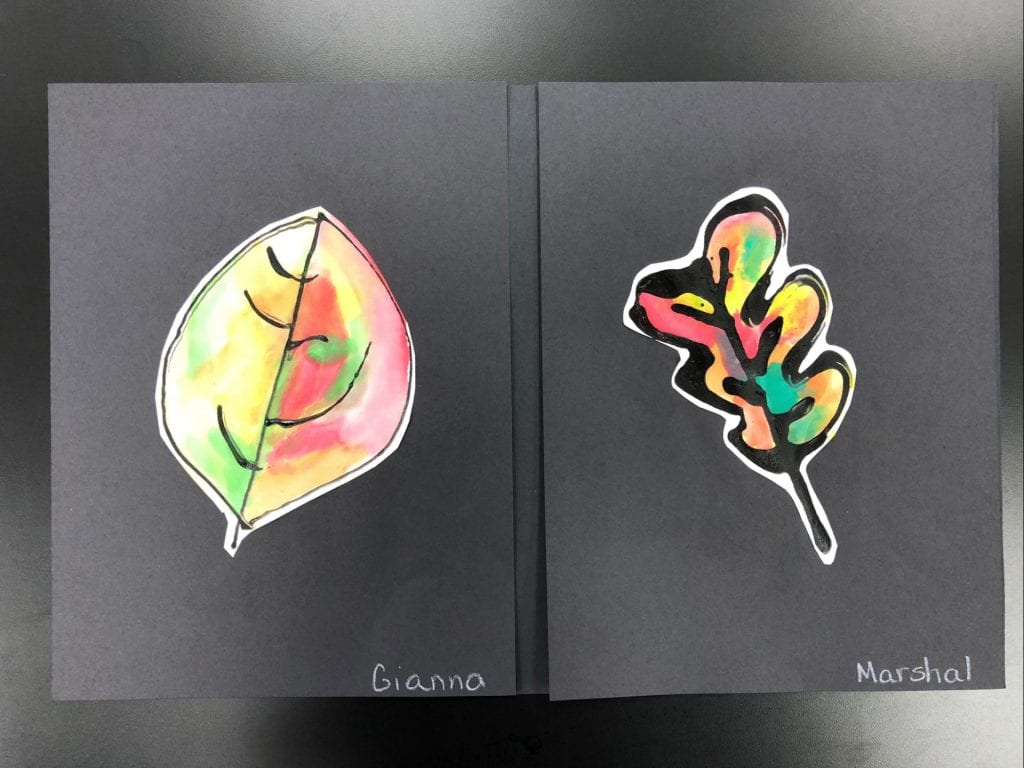
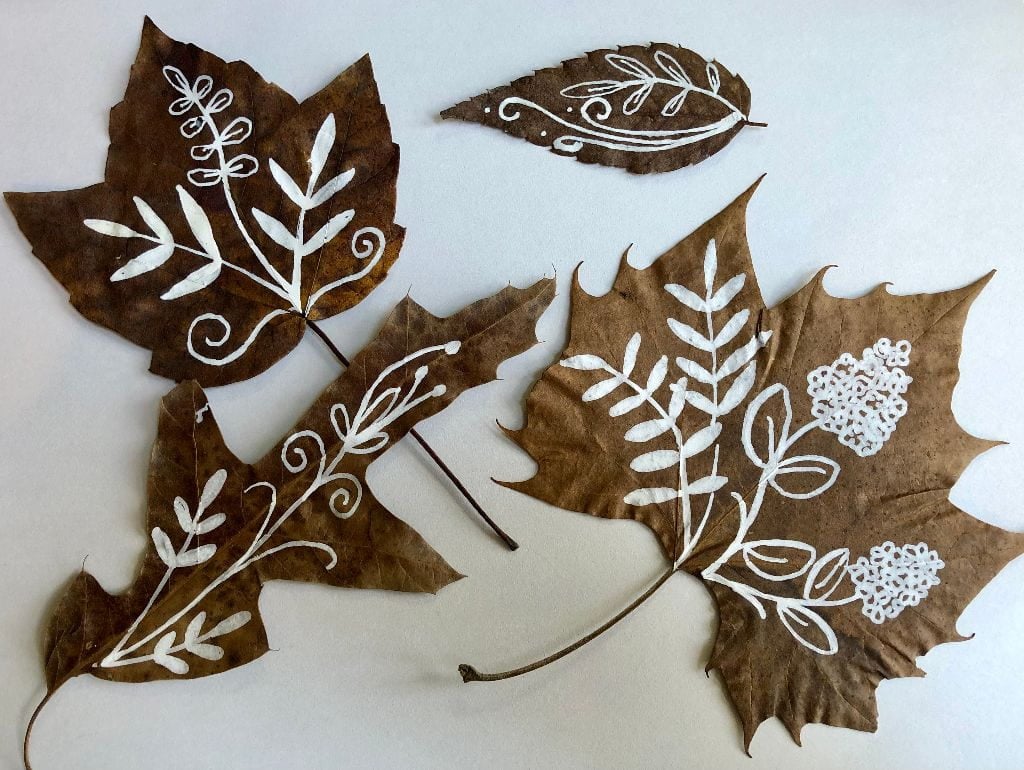
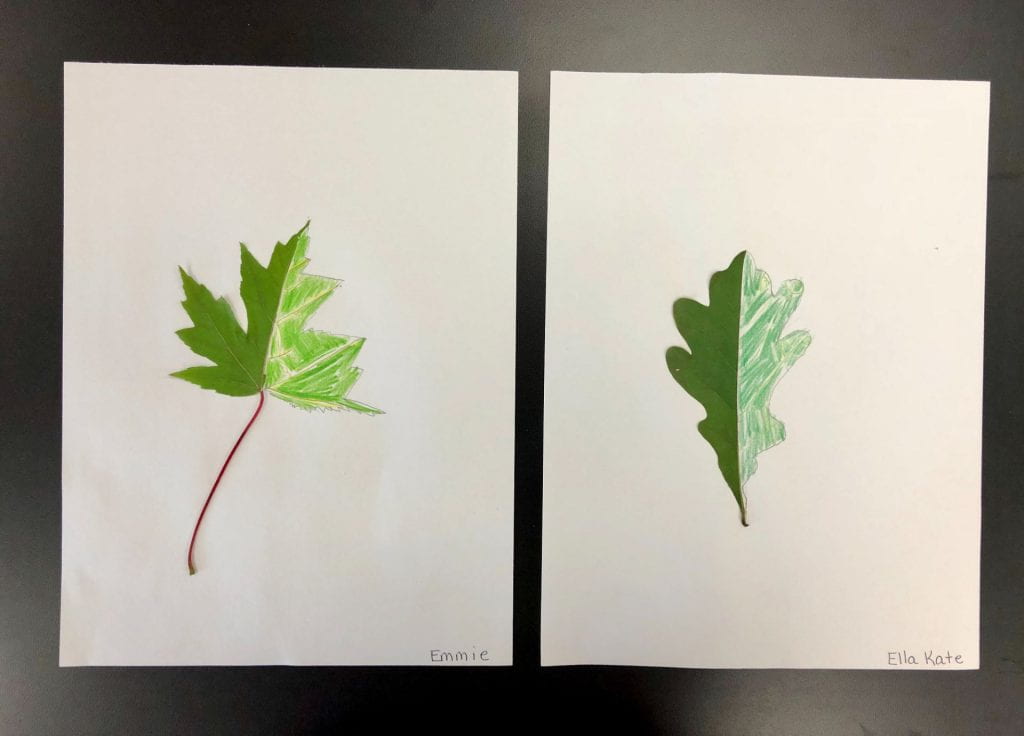
I always looked for meaningful ways to integrate art with science in my lessons. The process was always emphasized over the product, meaning that children were free to use the available materials creatively. Finished products were not identical. I have compiled a list of fall art activities below, although many of these activities could be implemented during spring or summer months. Try them with your families too!

Teach the concepts of diffusion, hydrophilic, and symmetry, as well as the shape of leaves in this investigation. Go here to learn more.
Review the states of matter and create beautiful stained-glass leaves. Go here for directions.
Identify the shapes of leaves as you create animals.  Go here for a literary connection.

Paint designs on leaves. Go here for materials. (For older children)
Introduce symmetry, leaf margins, and venation through this activity. Go here and here for examples.
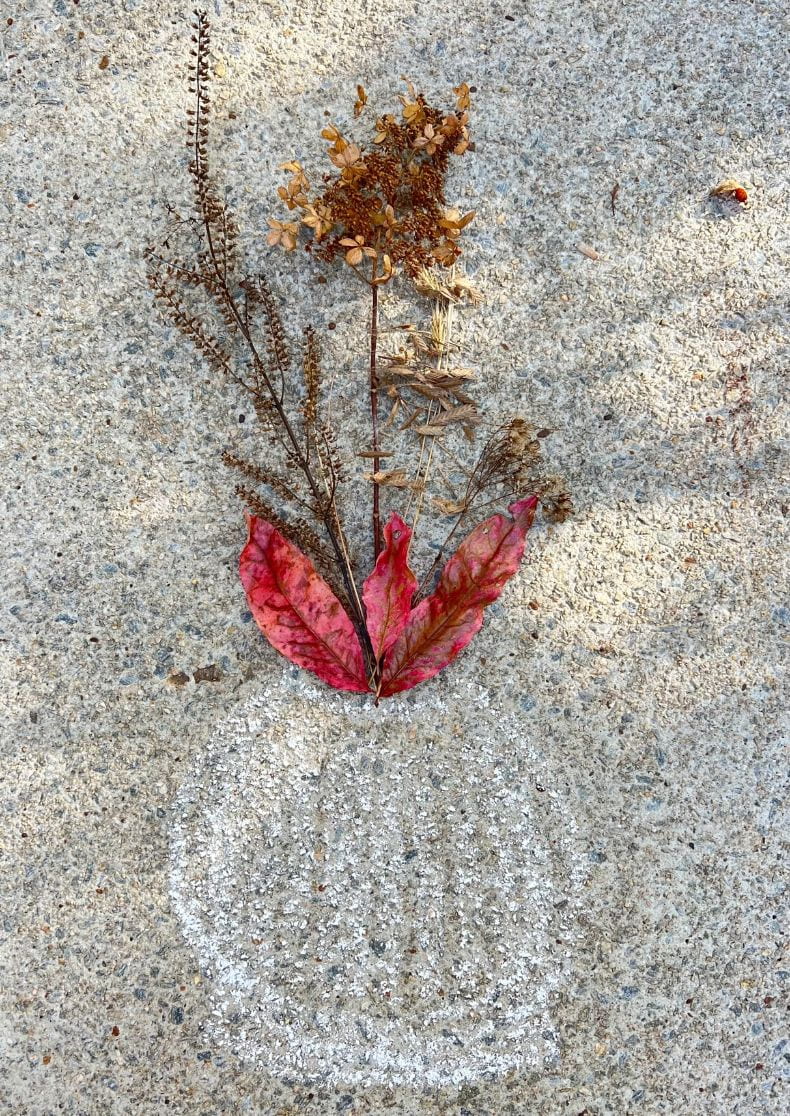
As you hike, collect items to fill vases that children create on the sidewalk. Go here for more examples and ways to extend this activity.

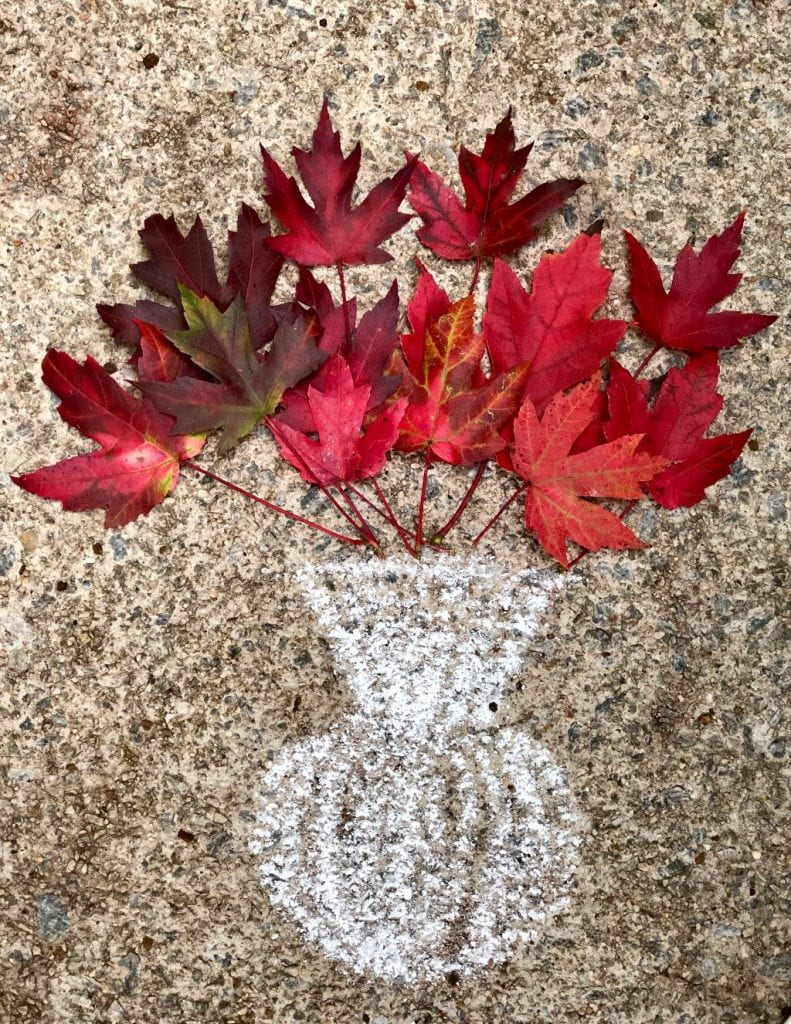
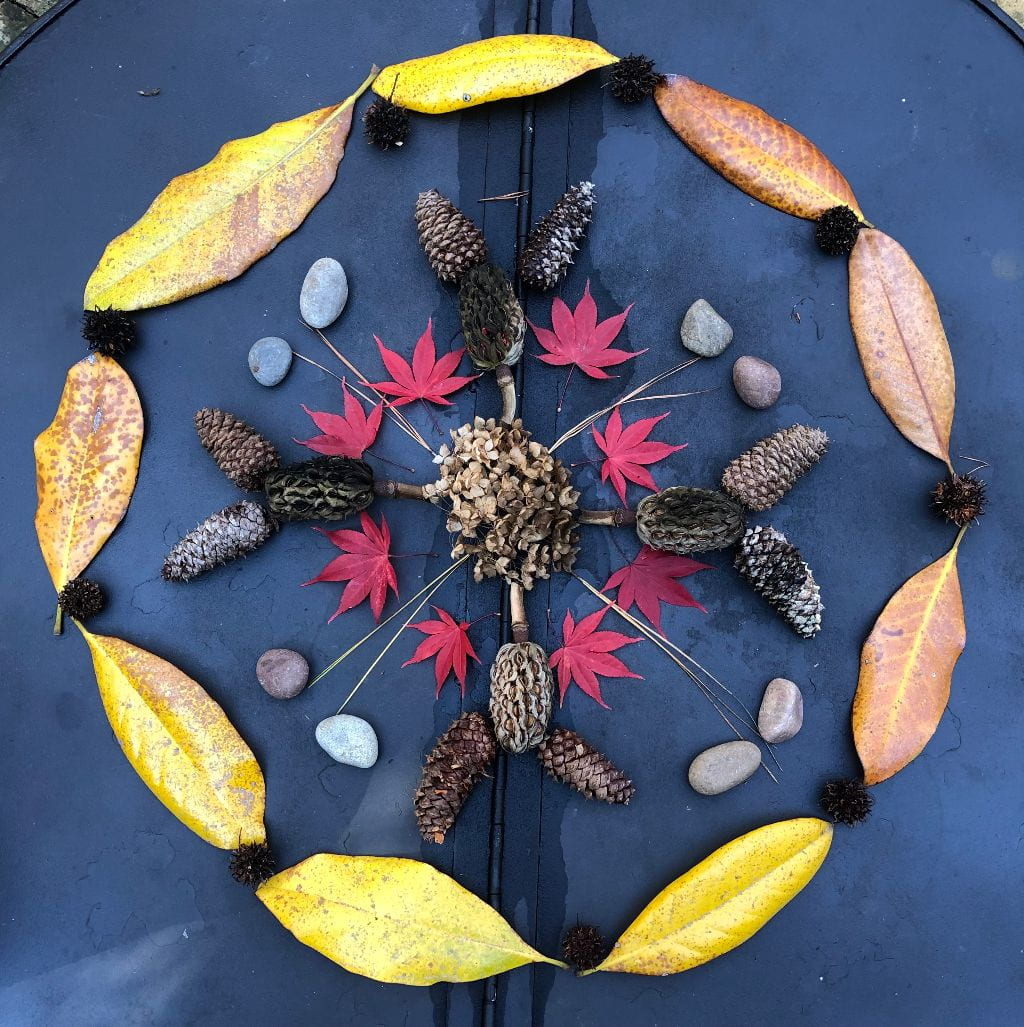
Forage for items on the ground as you hike, such as seeds, nuts, sticks, and pinecones. Create land art for others to enjoy! Go here to learn the history of the land art movement and for a literary connection. Such an engaging way to create patterns!

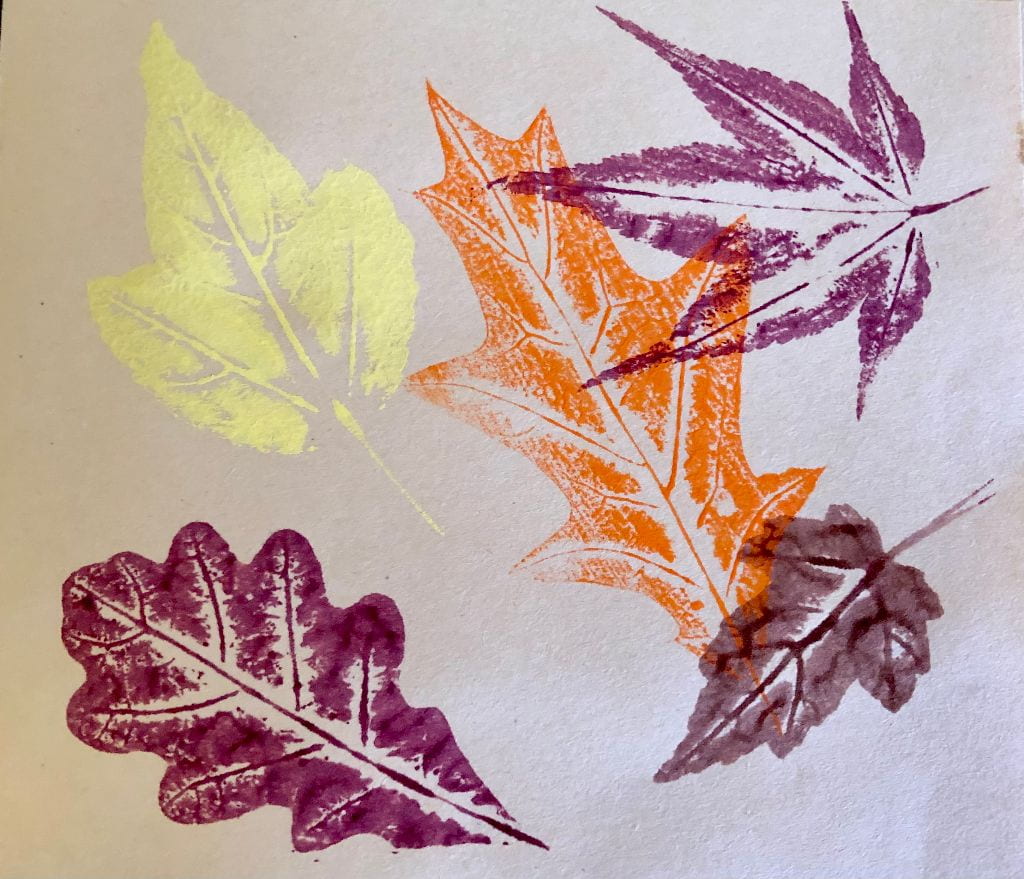
Print leaves to create cards or placemats. Go here and here for additional information.
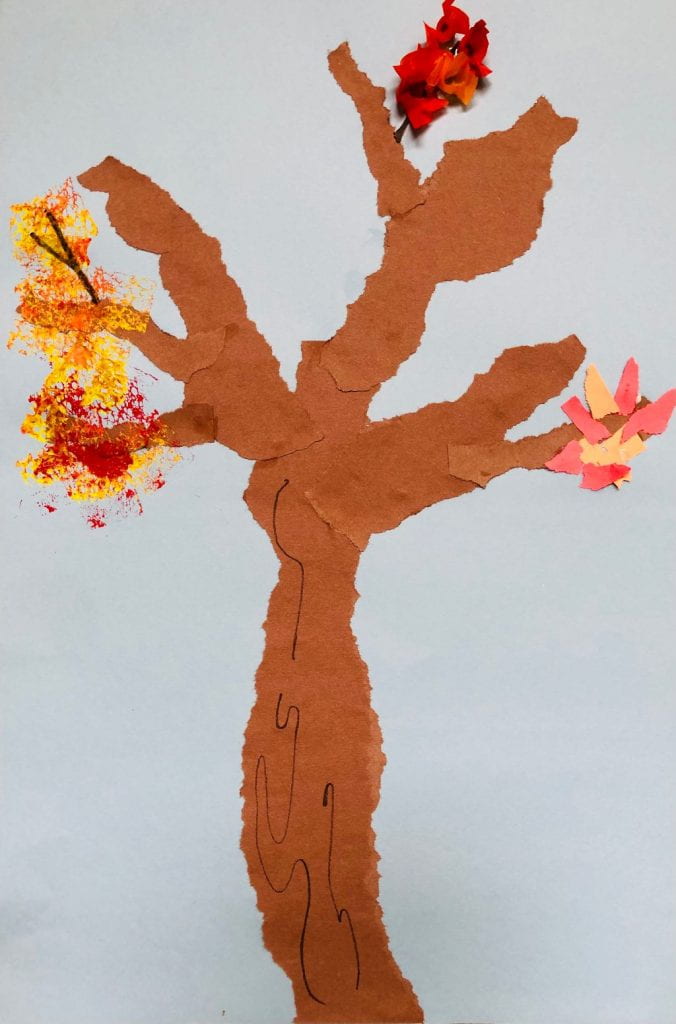
Use a variety of materials (paper, paint, and/or tissue paper) to create fall trees and strengthen muscles in young hands. Go here for complete instructions. This is just a sample. Be sure to add details to the sky, ground, and even in the branches.