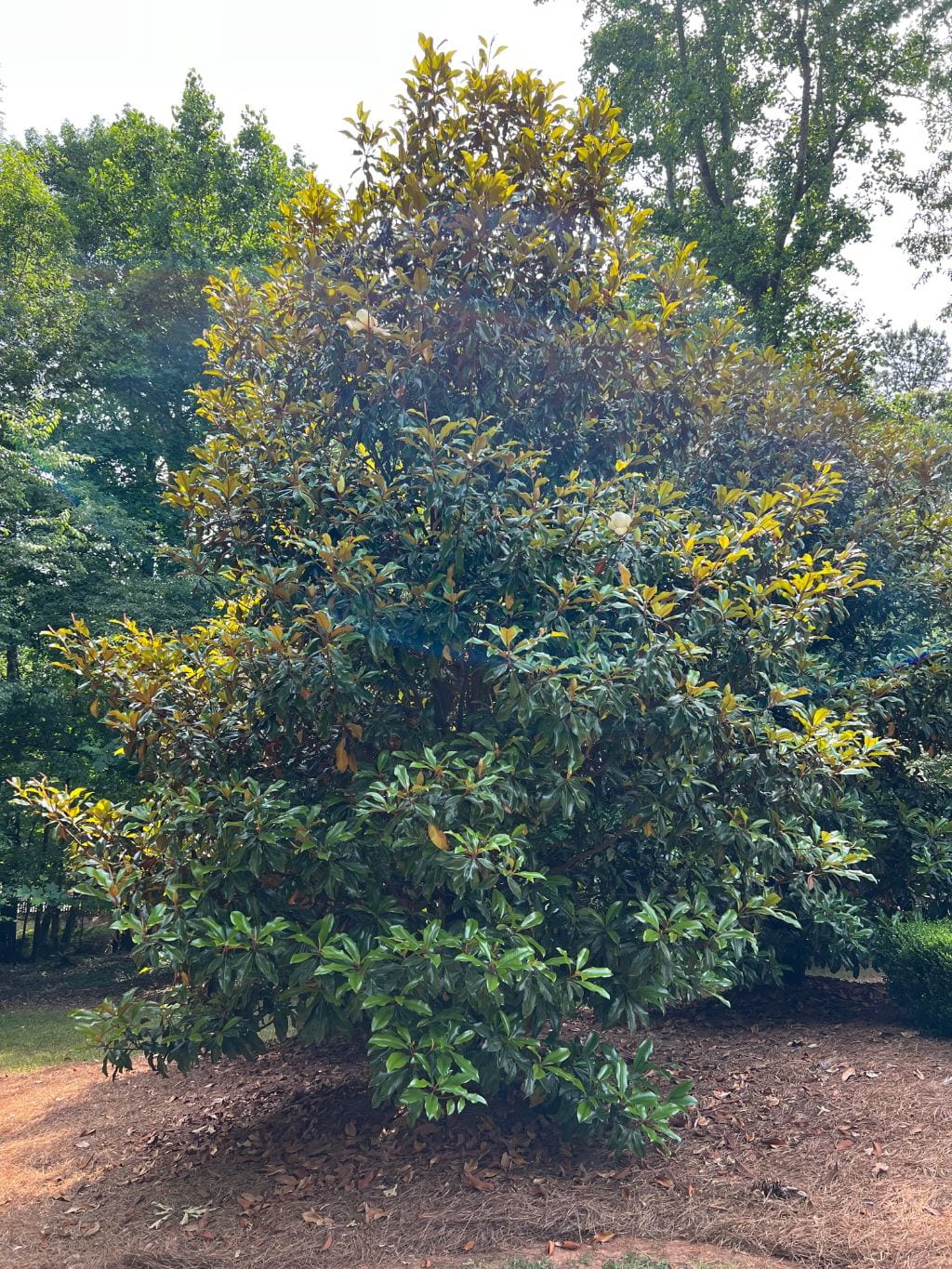
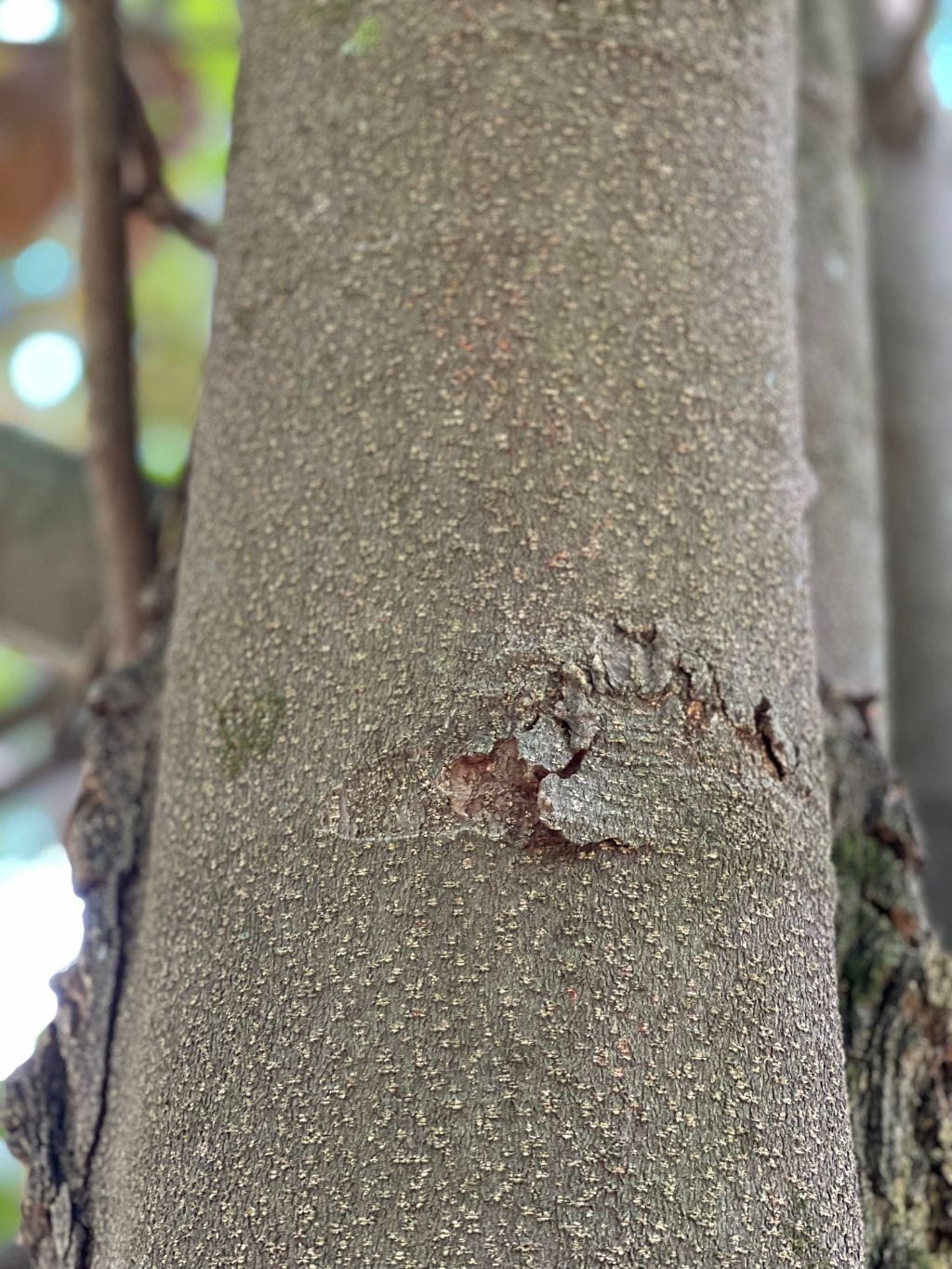
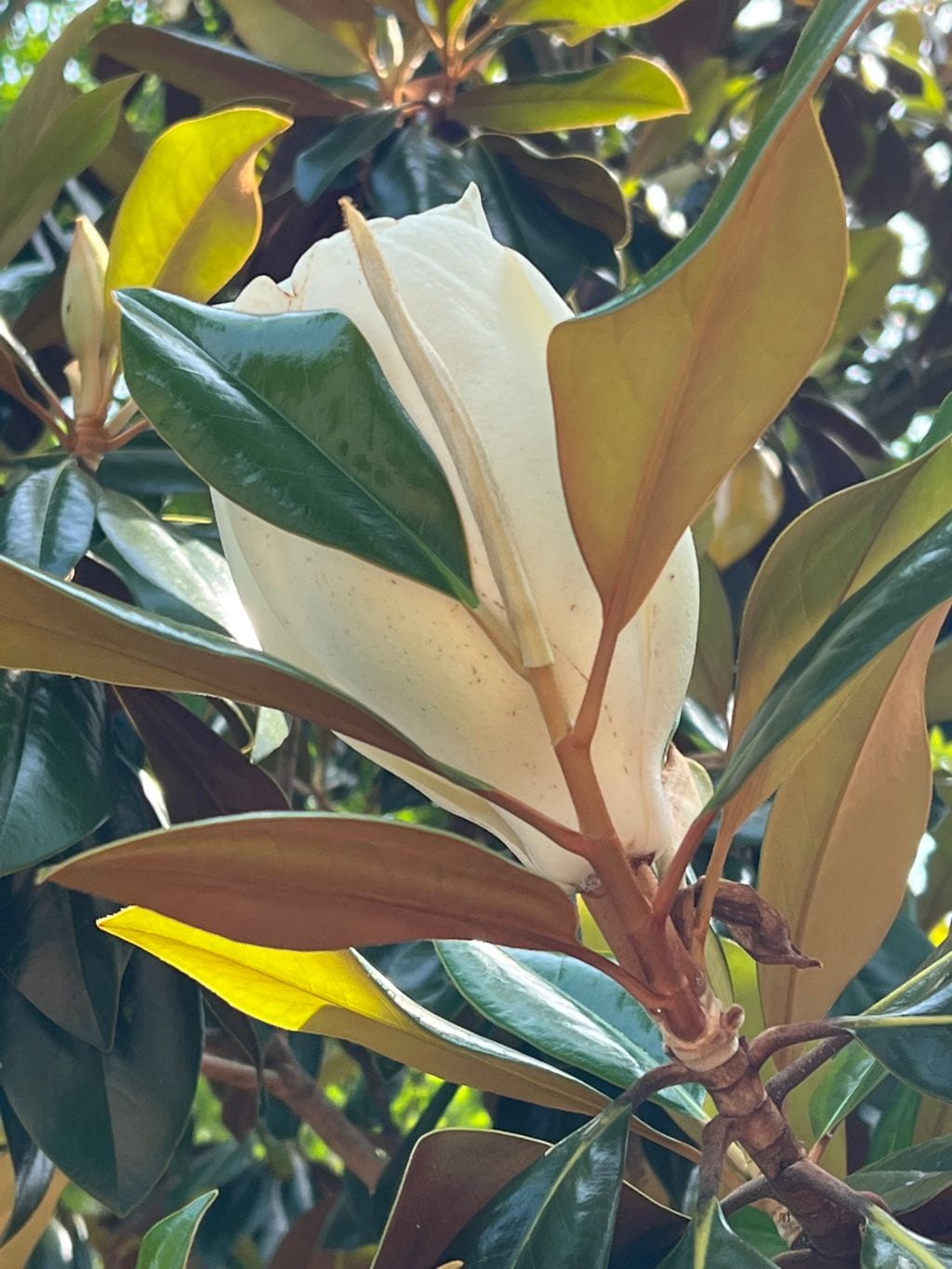
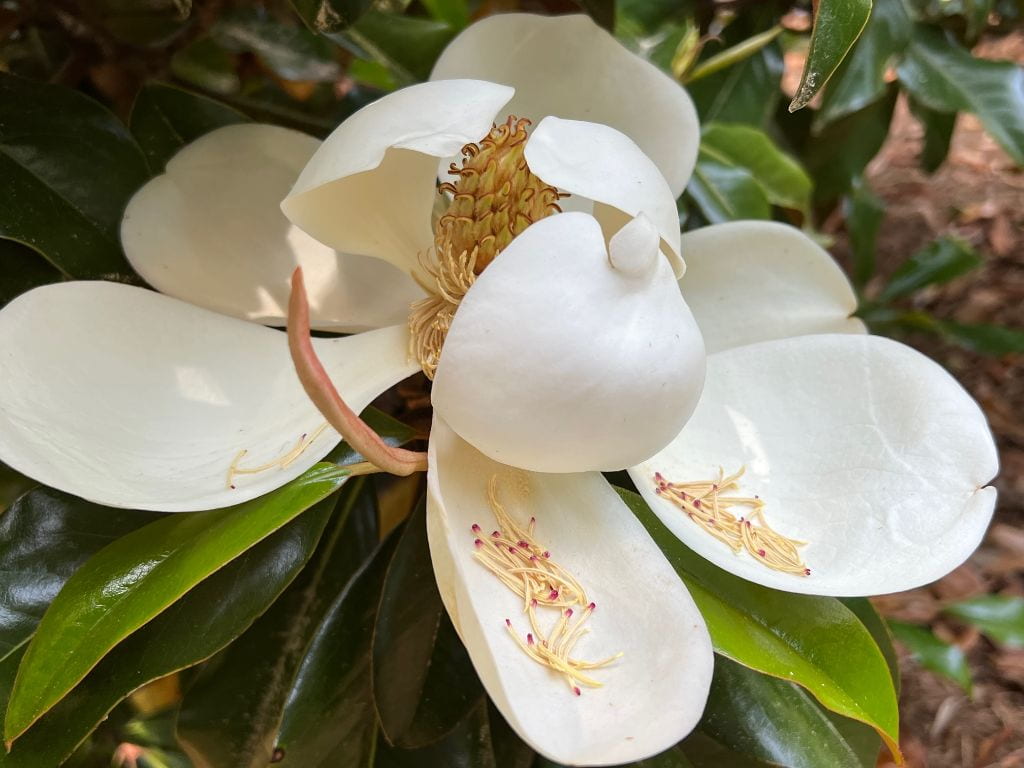
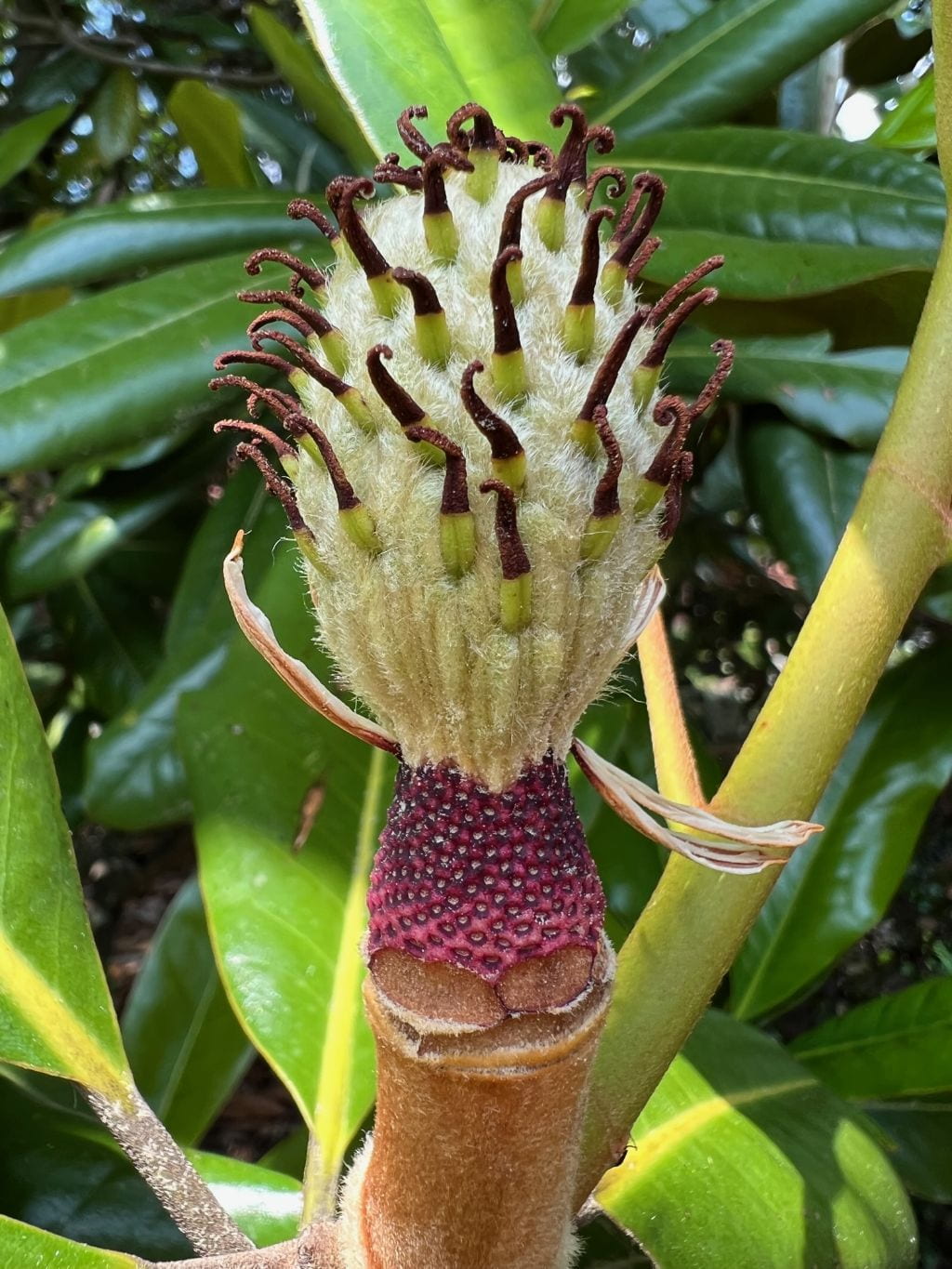
The magnolia grandiflora is native to the southern United States. This striking evergreen tree grows to 90 feet tall and 40 feet wide.
It is an ideal teaching tree for young children because investigating it is a sensory experience.
Touch the leaf. What do you notice? Describe the texture. Is the texture the same on both sides? Why might these leaves be thicker than oak or maple leaves? Why do you think the leaves differ in color on opposite sides?
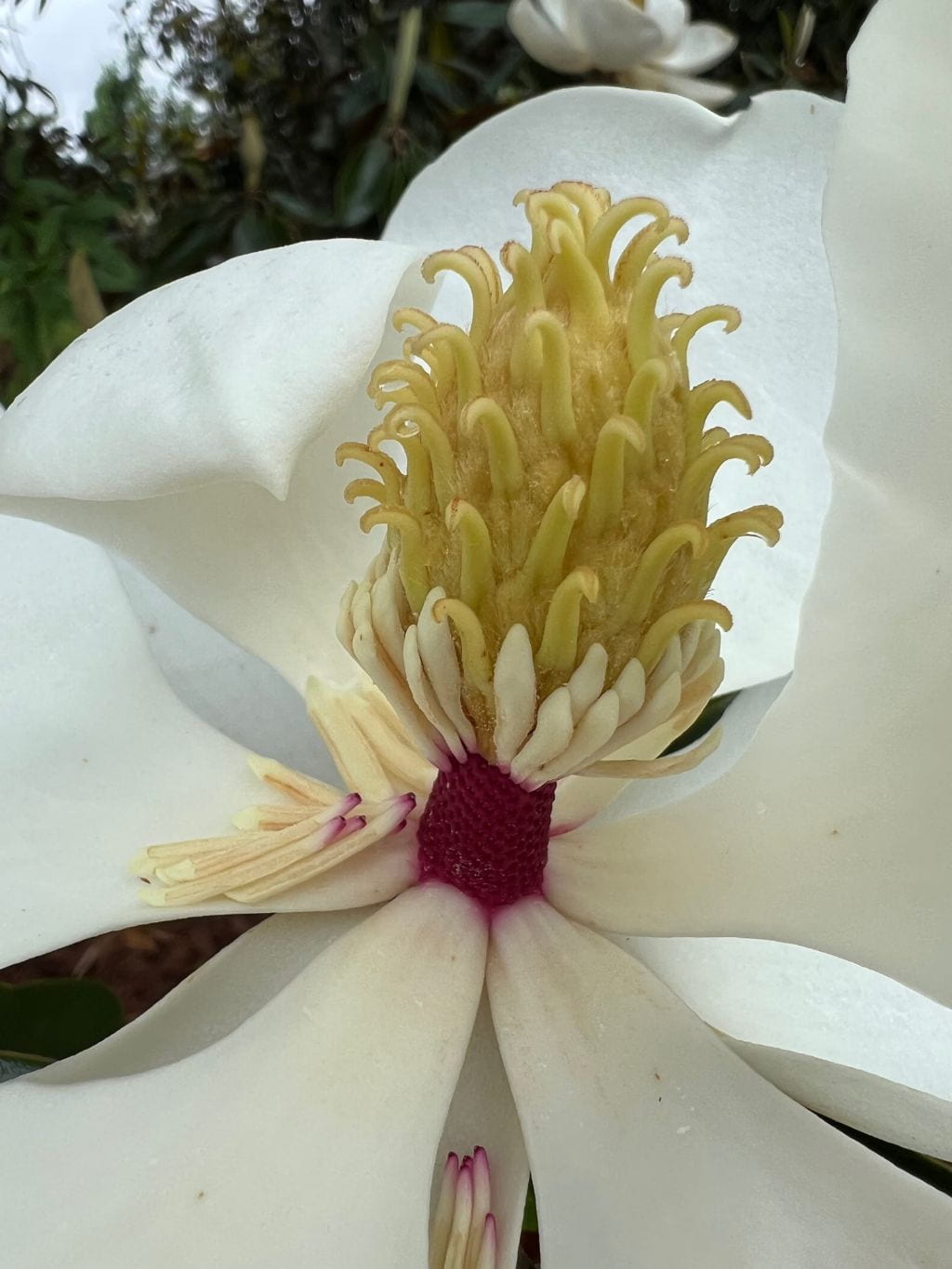
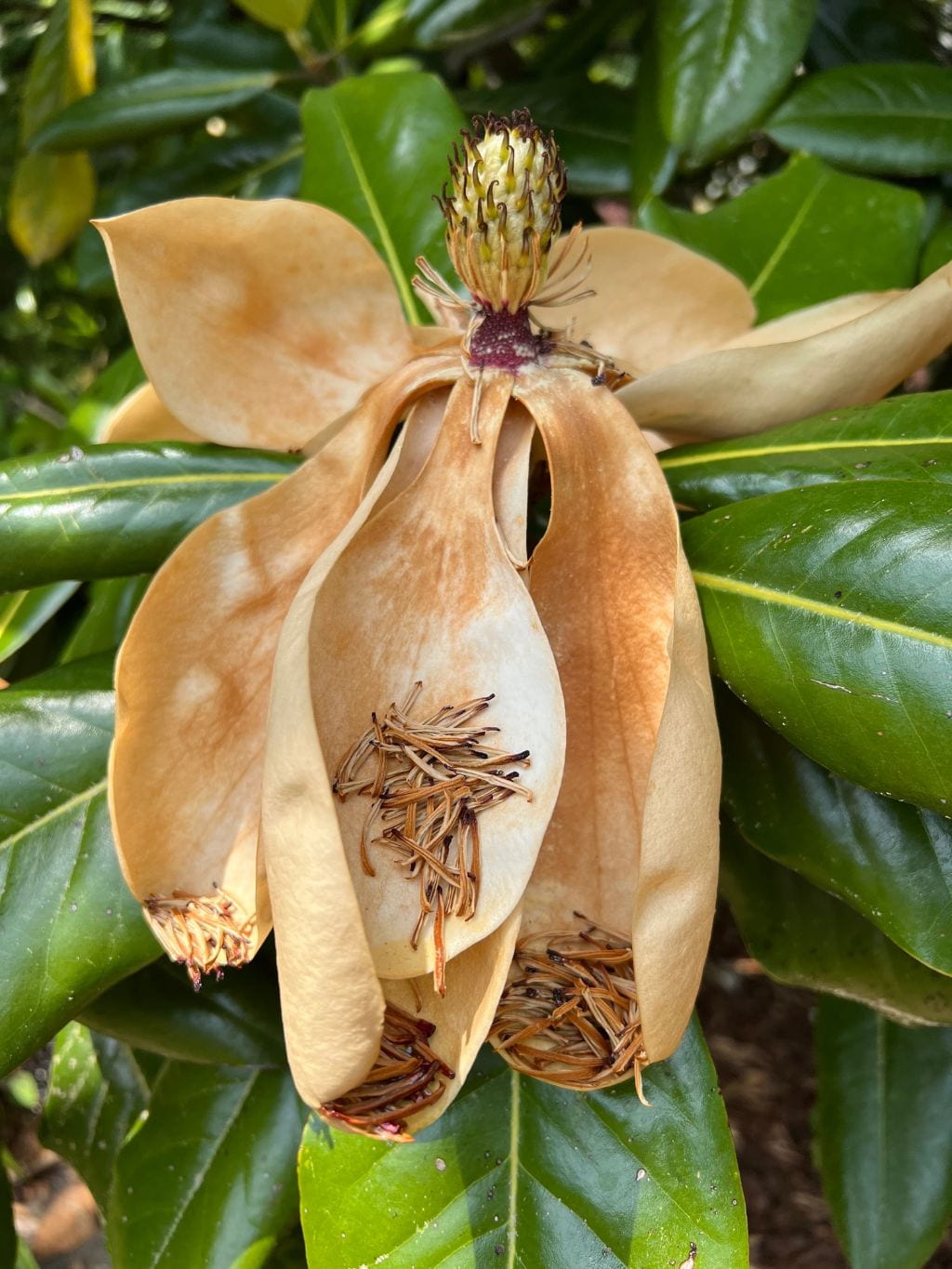
The striking, fragrant white flowers, that begin blooming in spring, can be as large as 12 inches in diameter. Identify the parts of the flower. Watch how it changes over several days. Dissect the flower.
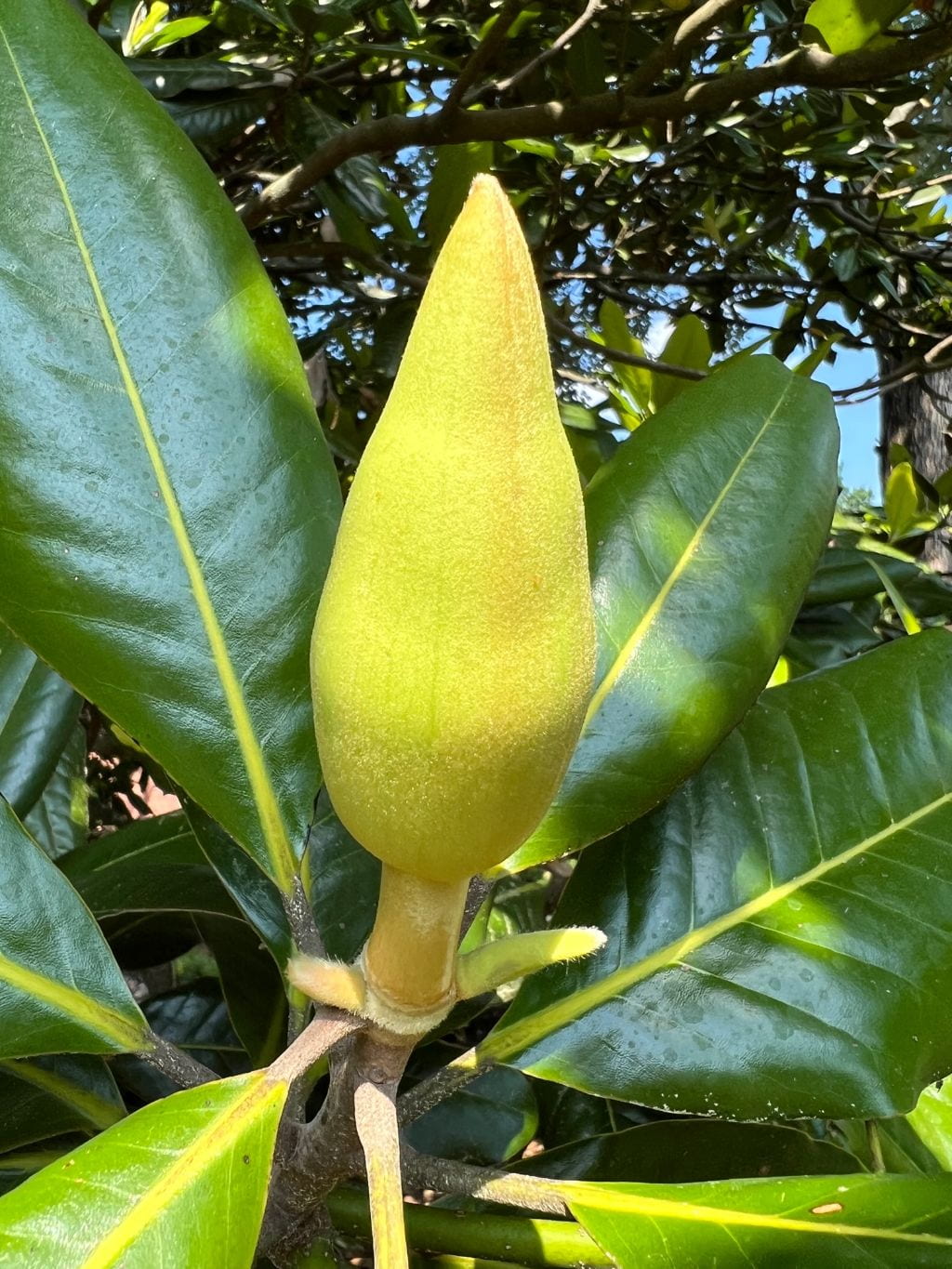
The seed pod/fruit is unusual. Examine it closely and describe its texture. Cut one in half. The red seeds that pop out each fall are always a delightful surprise!
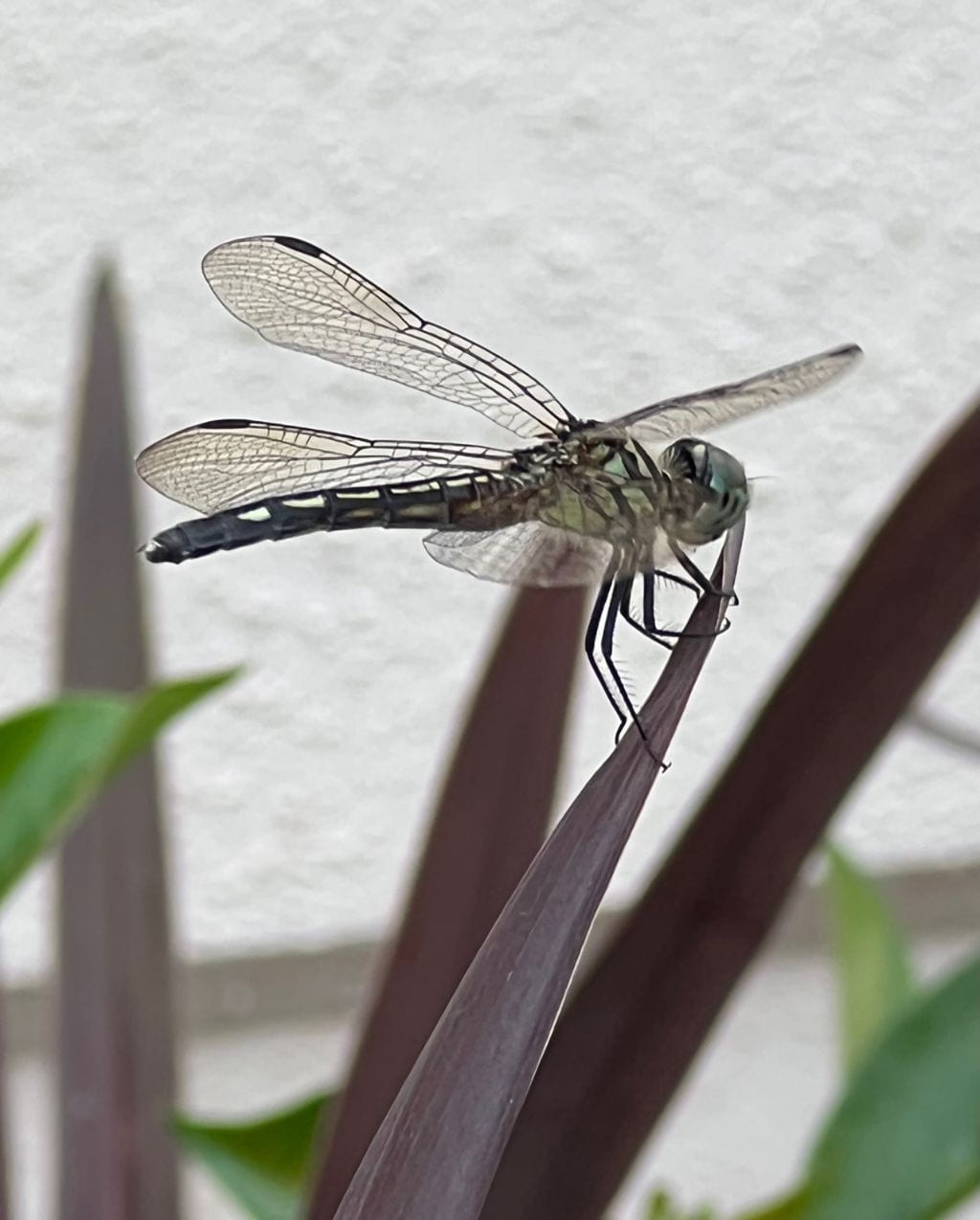
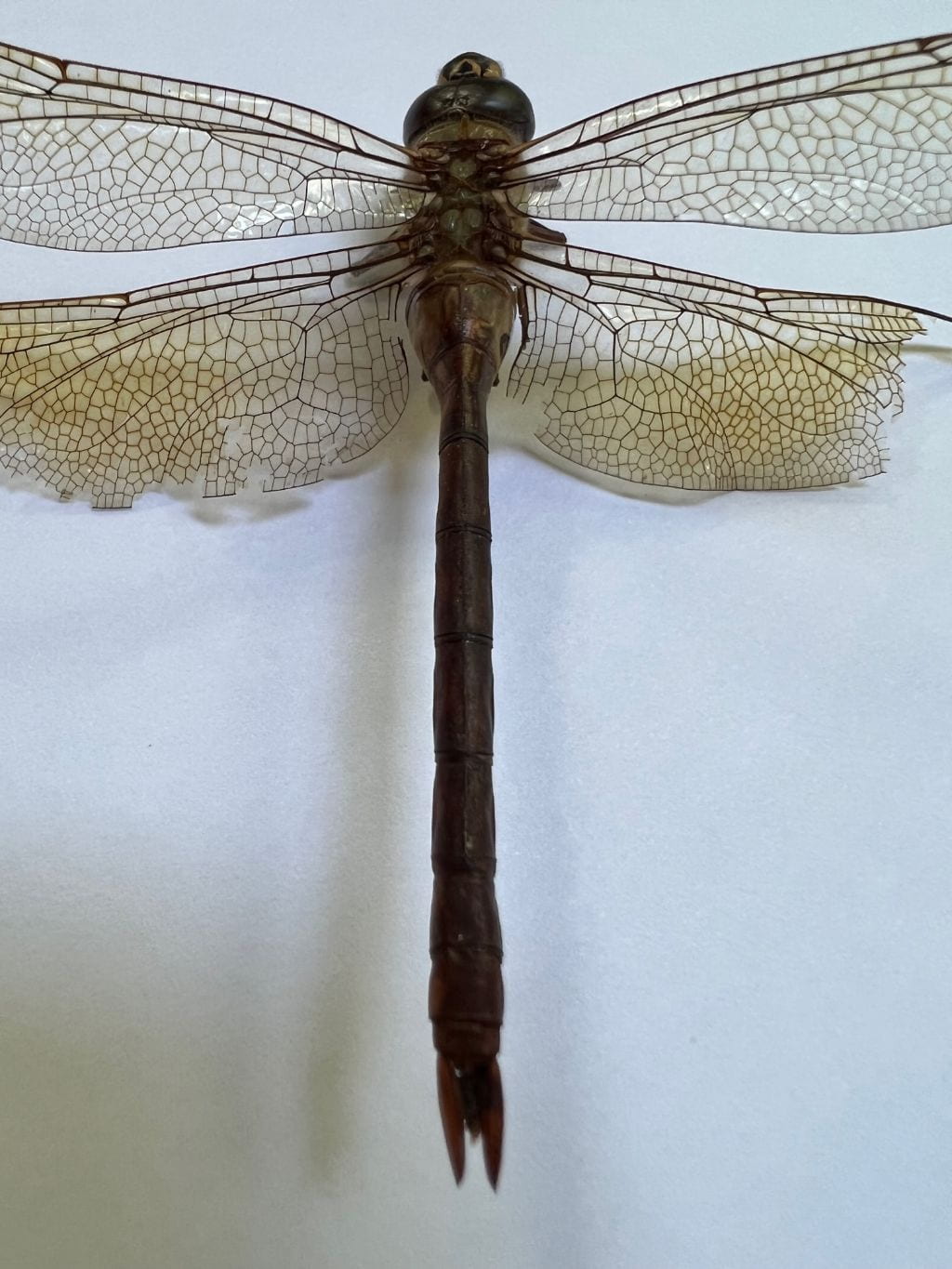
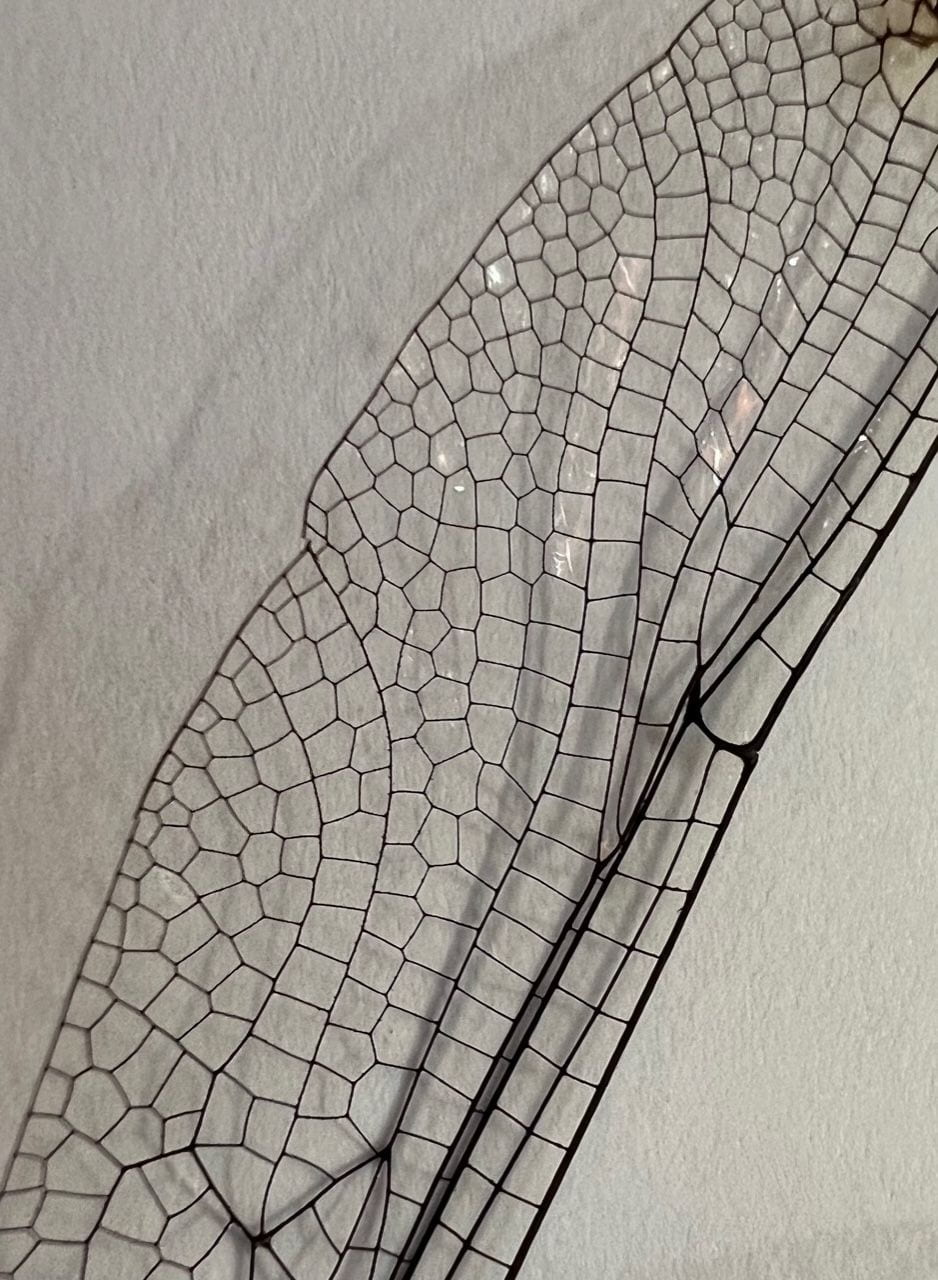
Don’t forget dragonflies when you study insects! These colorful predators are captivating! Dragonflies can fly up to 30 miles per hour.
Before you begin your investigation of dragonflies, access your students’ background knowledge. Give each child two 3×5 cards. On one card write true and on the other false. Read statements like those below and ask your child (students) to hold up the card he/she believes is the correct response. Revisit these statements after you study dragonflies.
Dragonflies have three body parts.
Dragonflies go through metamorphosis.
Watch out! Dragonflies can sting.
A dragonfly lays its eggs on flowers.
Like all other insects, dragonflies have six legs.
A dragonfly’s skin stretches as it grows.
Just like butterflies, dragonflies drink nectar from flowers.
Dragonflies have compound eyes.
A dragonfly can fly backward and hover.
A dragonfly has two wings.
Dragonflies spend most of their lives in the water.
My first-grade scientists began each year learning the characteristics of living things (organisms). Although this may seem like a simple concept, it can be confusing to young children. Living things need water, air, and energy, reproduce (make more of their own kind), react to changes in their environment, have a life cycle, and move on their own. My older scientists were introduced to cells when we expanded these concepts.
Students often questioned how plants move on their own. In the following story, there are examples of plants moving with assistance, such as with wind, but there are also examples of how plants move independently. This is an excellent book to add to your library if you teach a plant or living things unit.
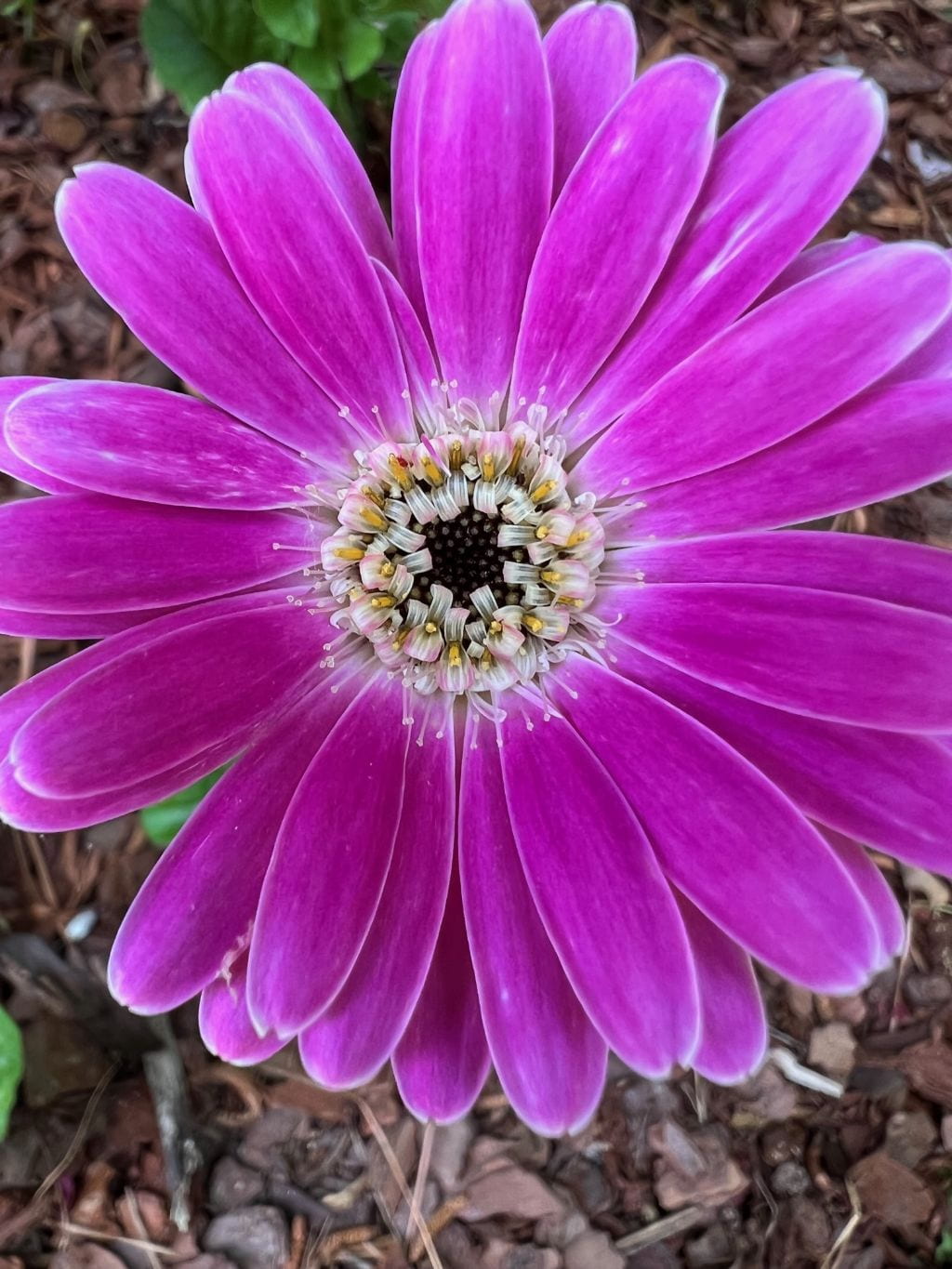
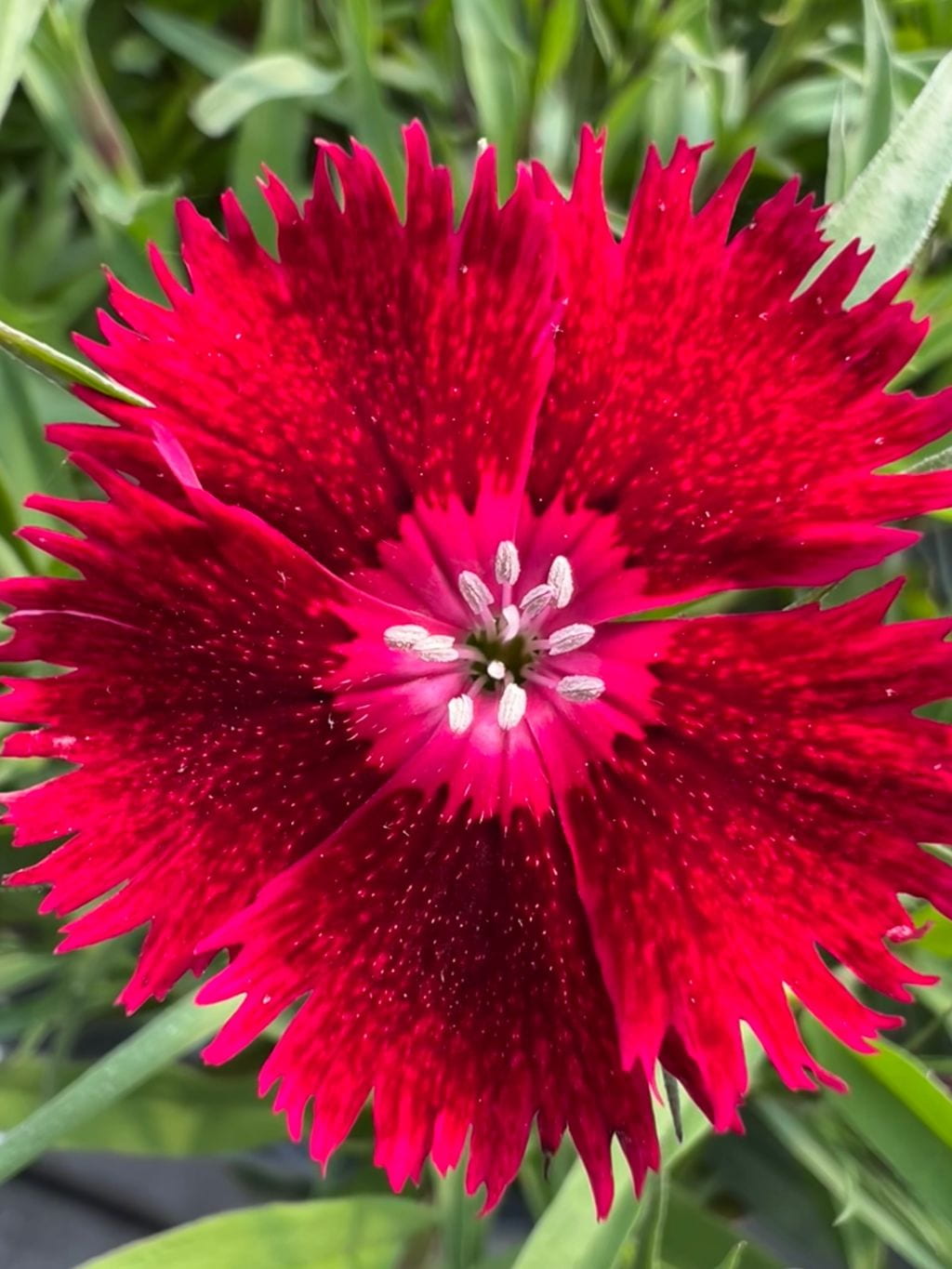
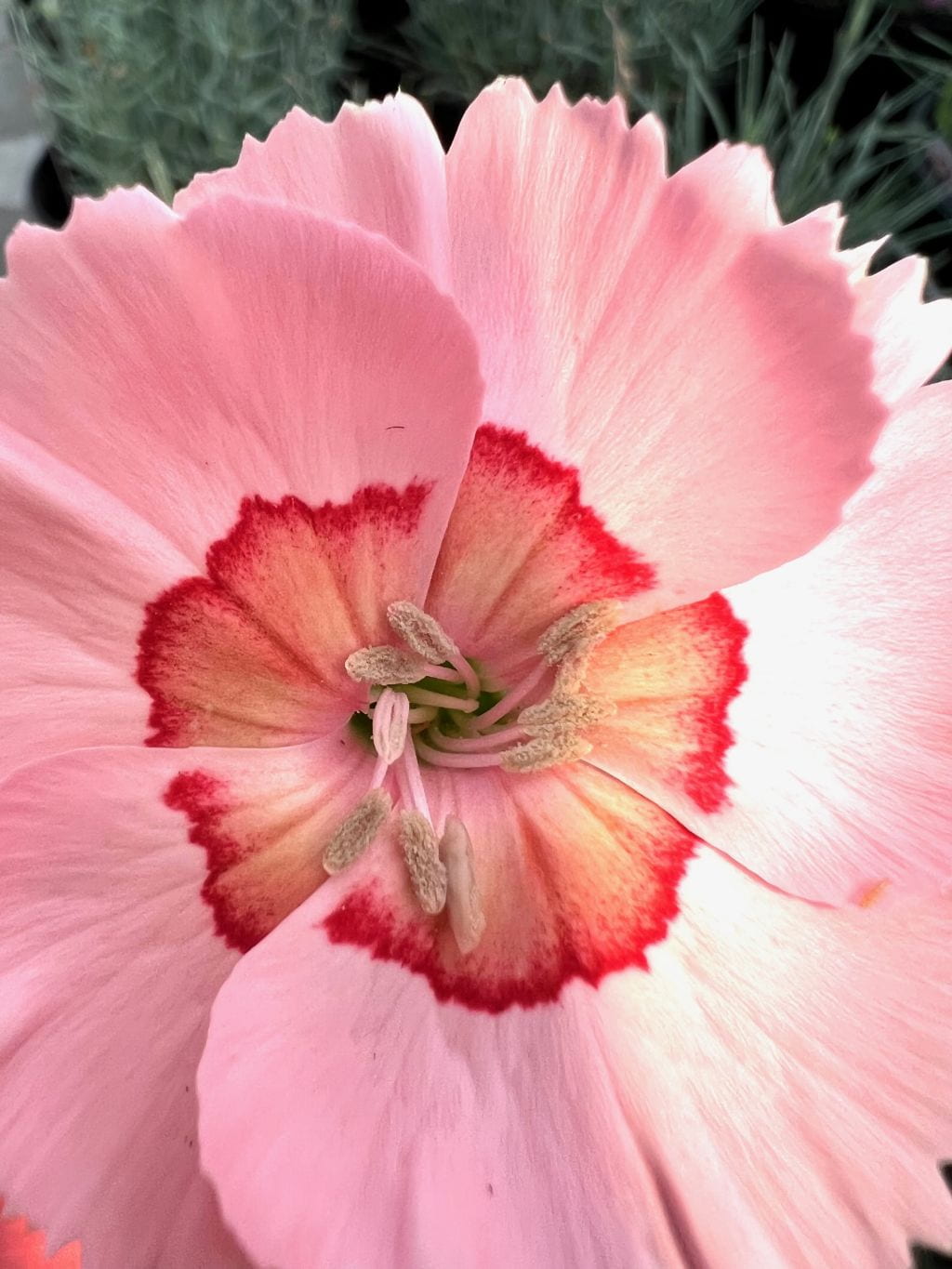
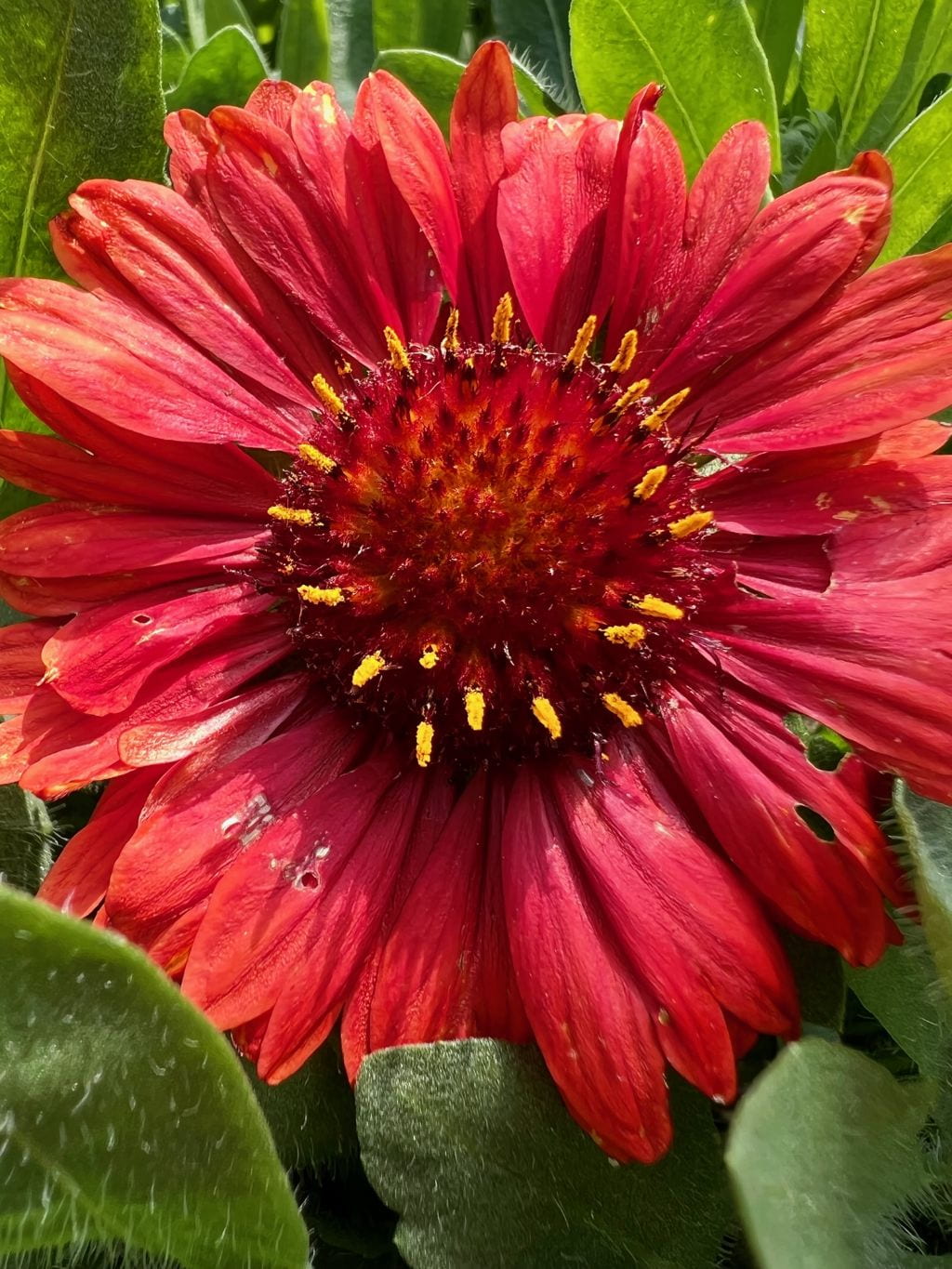
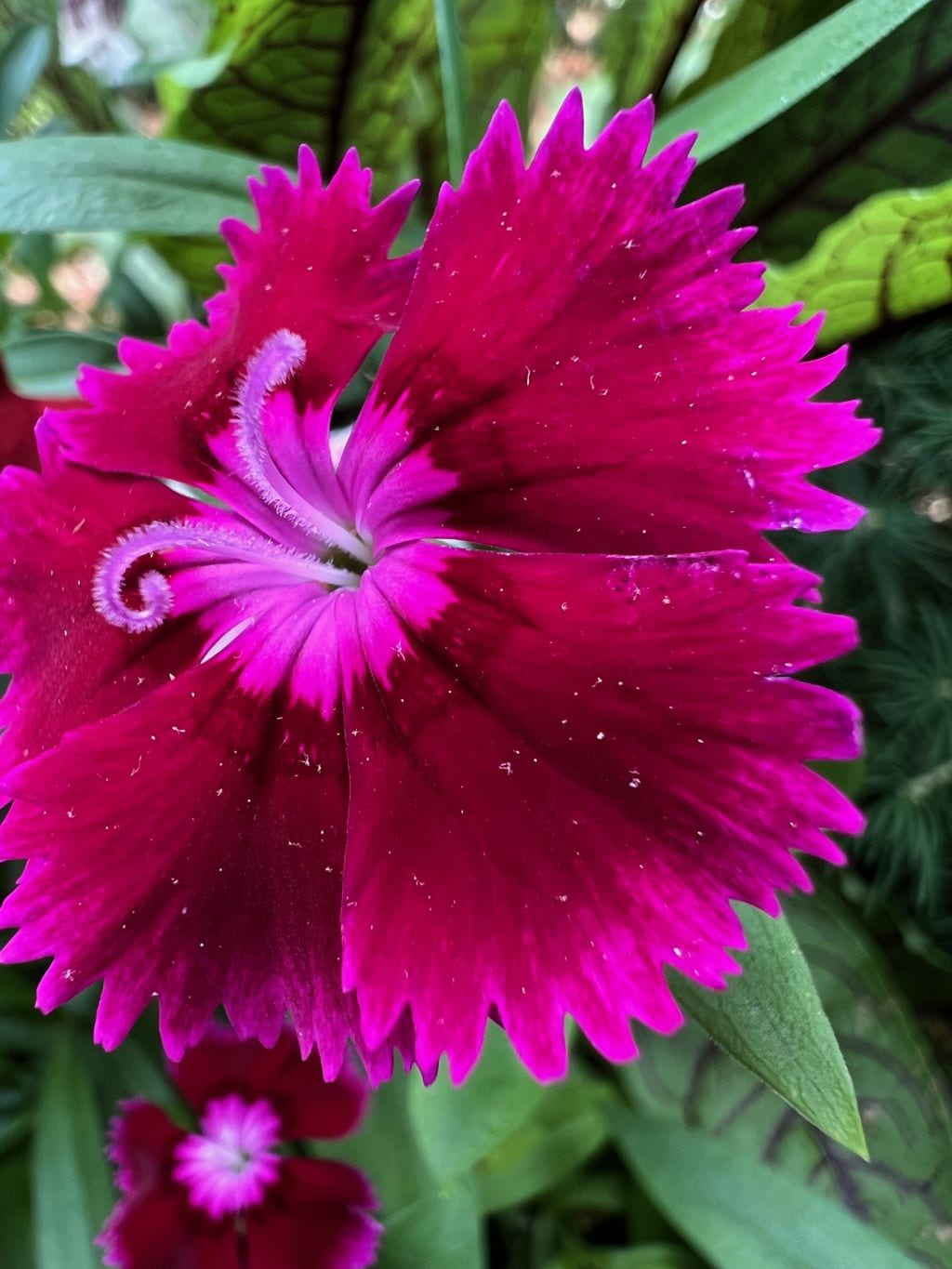
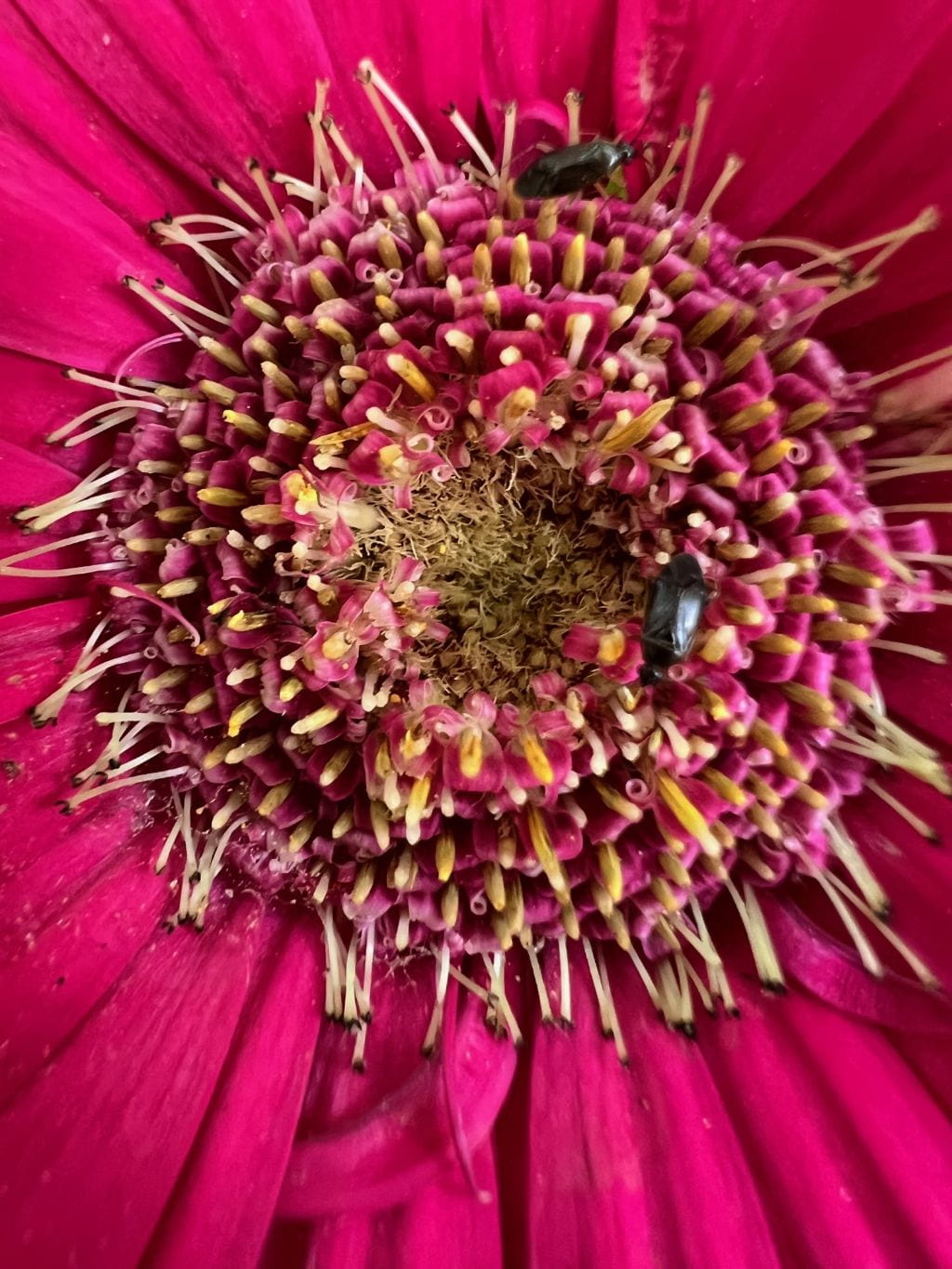
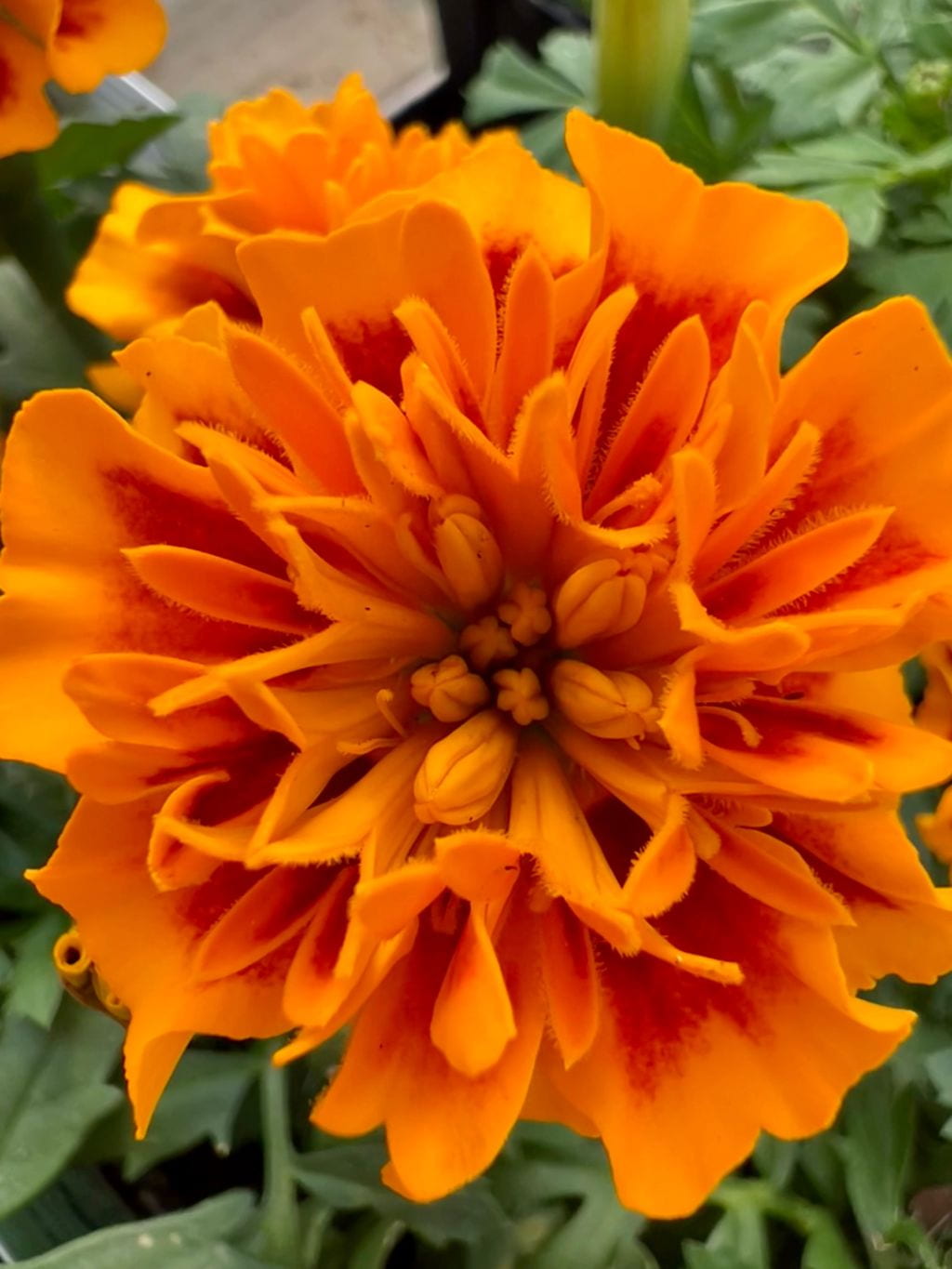
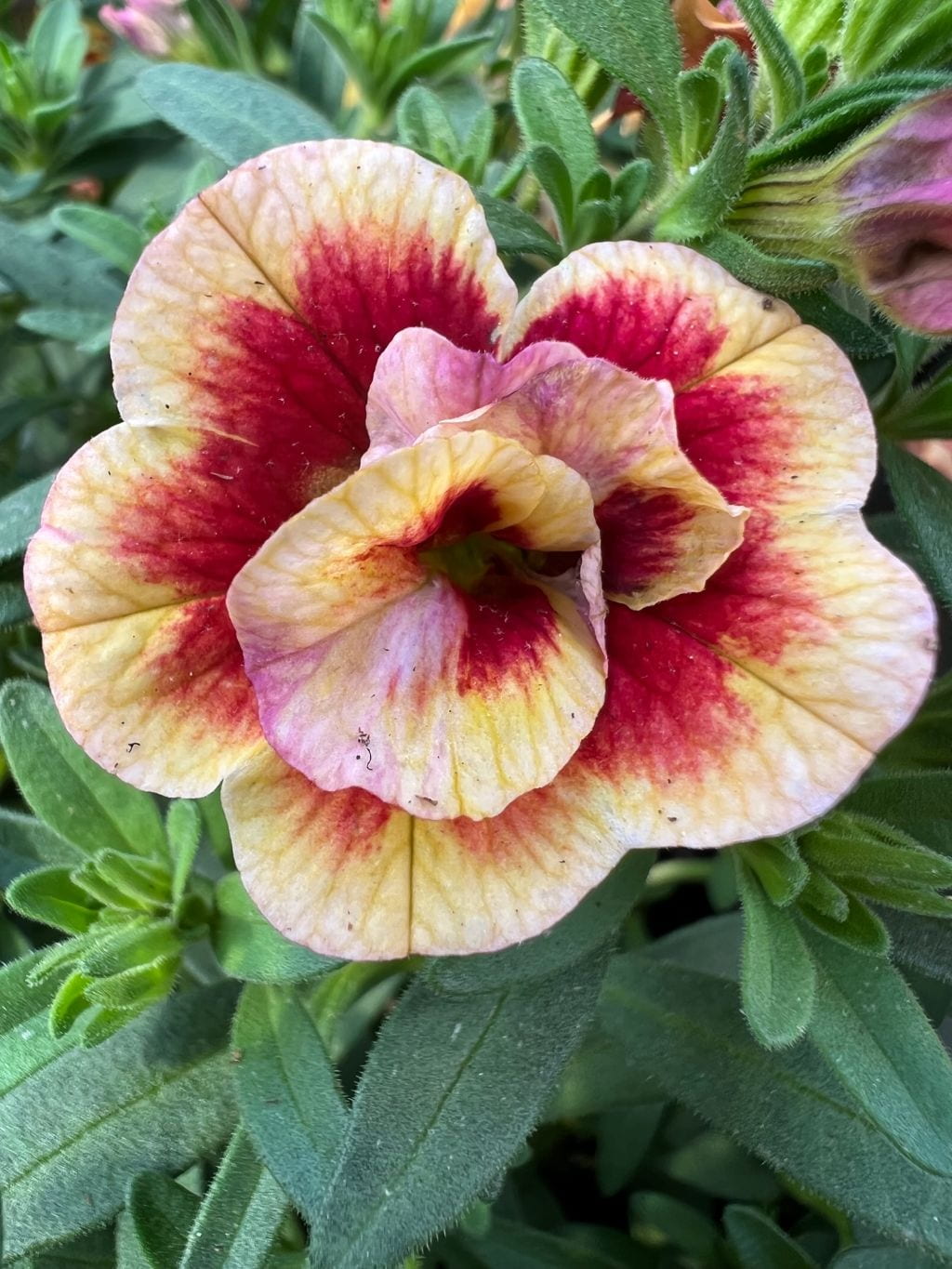
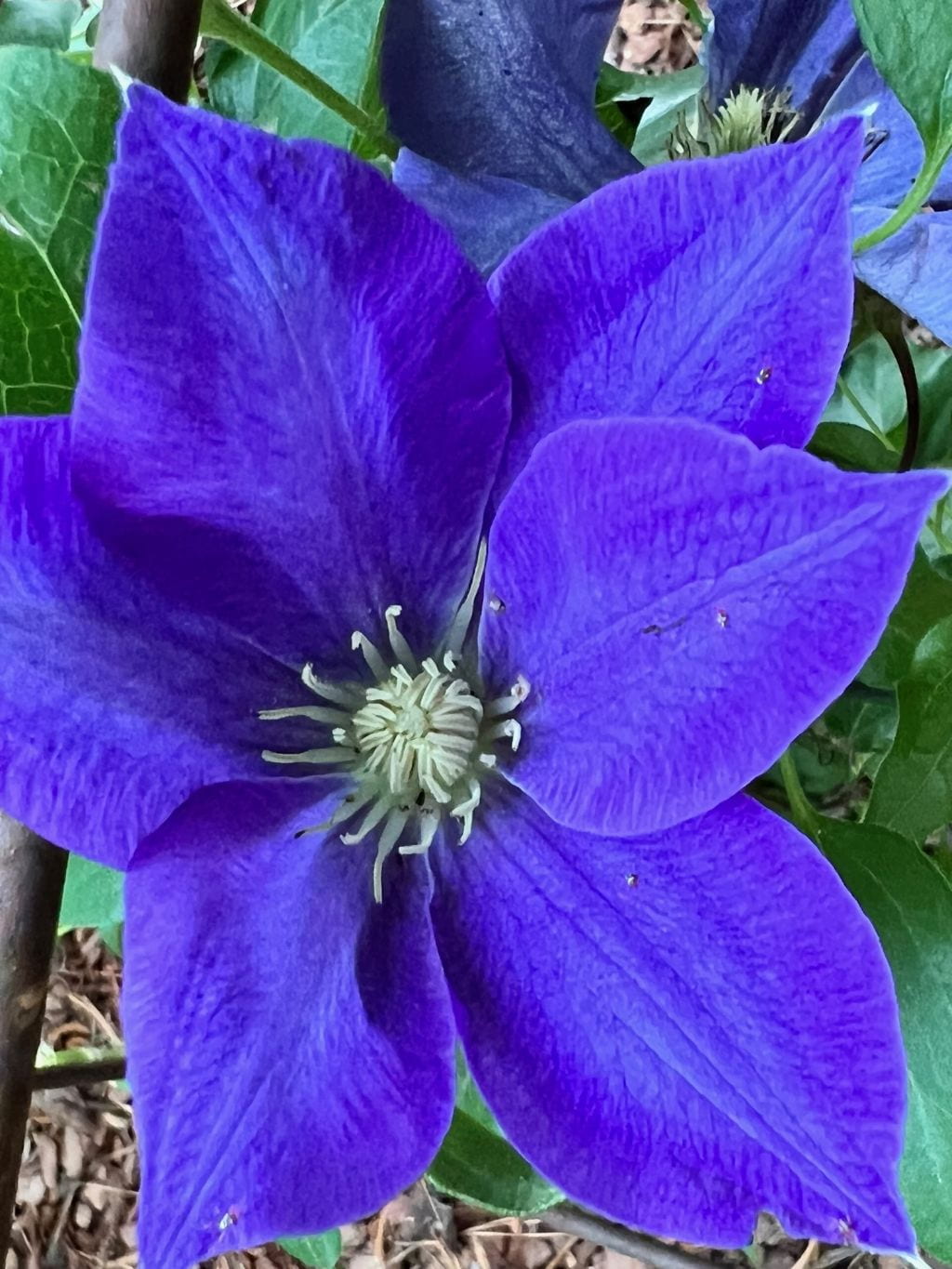
I have been taking close-ups of the flowers in my garden, and the beauty is breathtaking! Some of these flowers are barely half an inch in diameter, yet the details are striking.
The beauty of the natural world lies in the details. (Natalie Angier)
For a flower-themed STEM project, click here. During the first part of this lab, we investigated and experimented with various sizes of flowers and types of paper. It turned into a STEM activity, when students designed an object of their own to test.
Each week Steve Spangler, a leader in science education, features a new, hands-on science experiment or STEM challenge that you can try at home with easy-to-find materials.
I recently discovered the Water Princess, a picture book based on supermodel Georgie Badiel’s childhood. As a young girl, she dreams of bringing clean drinking water to her African village.
Just One Africa is an excellent organization working to provide clean drinking water for the orphans and vulnerable children of Kenya. They are change makers!
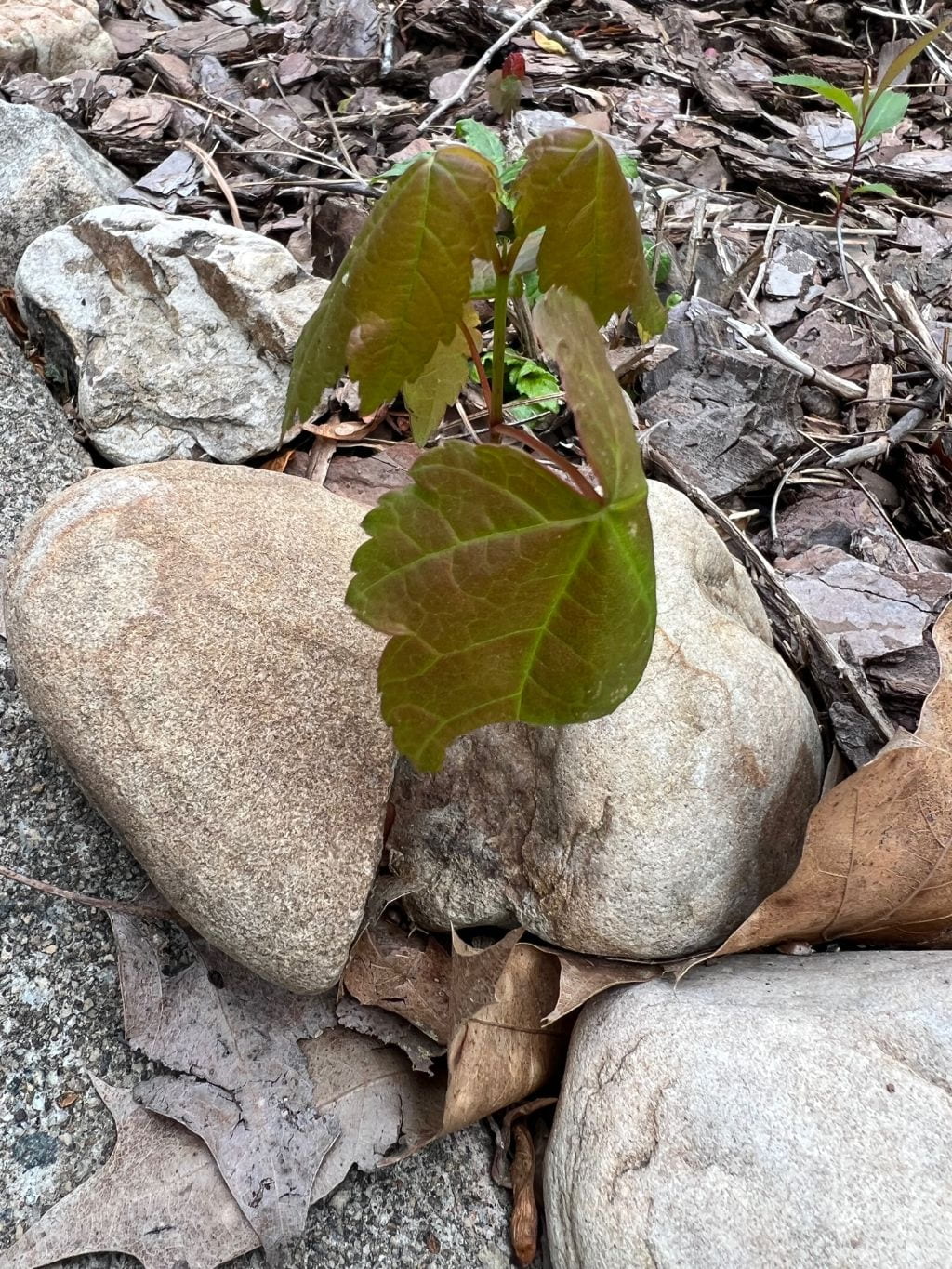
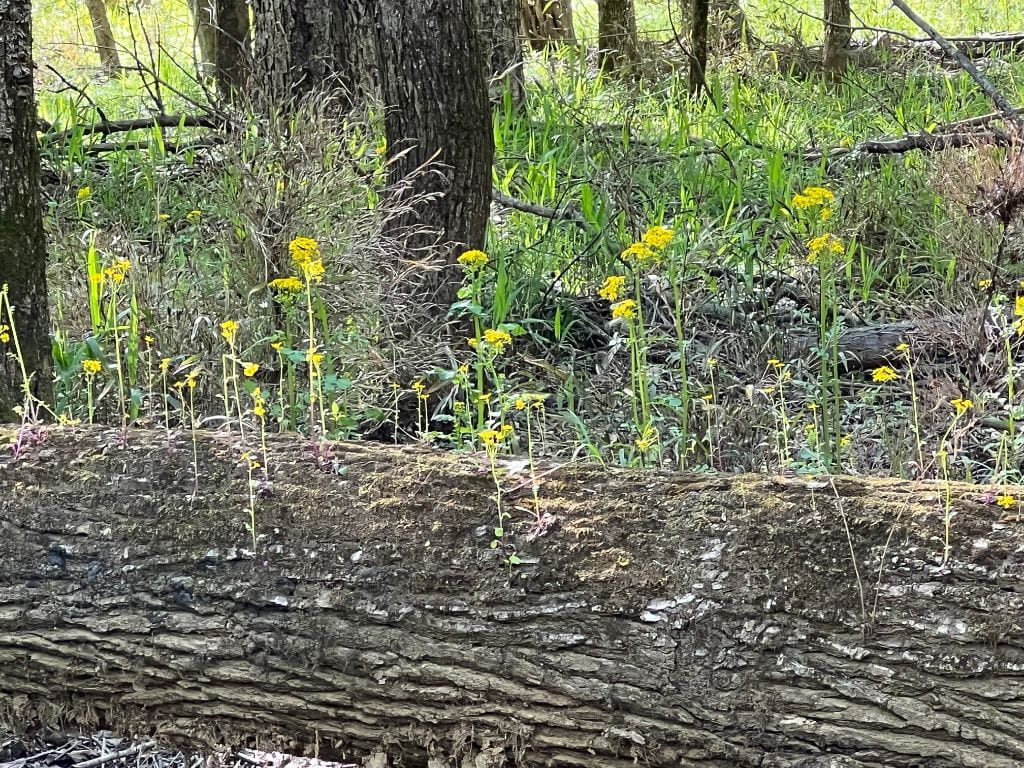
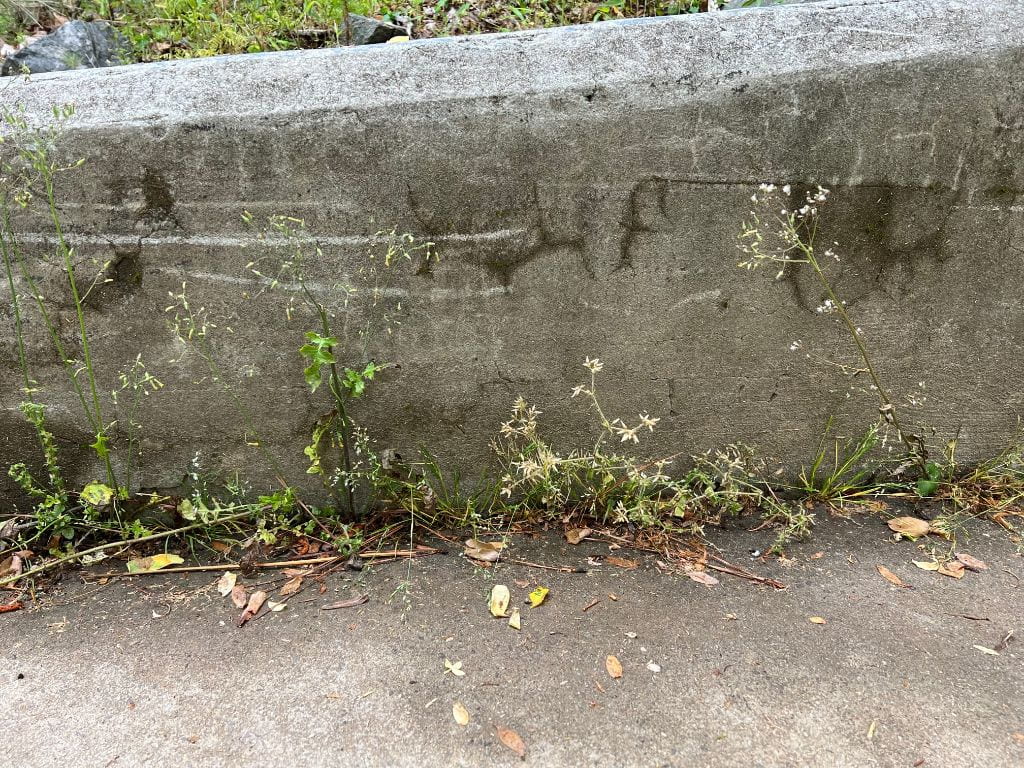
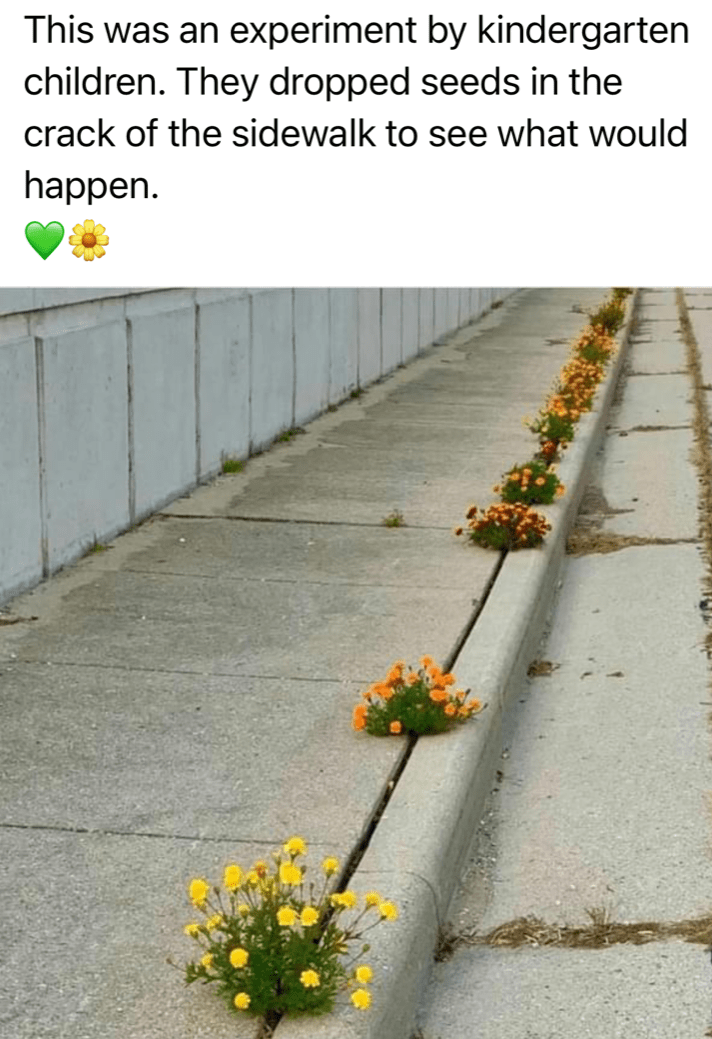
You’ve probably heard the expression, “Bloom where you are planted.” The plants below are not in ideal conditions, but they are growing and blooming. When my circumstances are difficult, do I still grow and learn, or do I miss the opportunity?
I saw this on Facebook.
Give thanks in all circumstances; for this is God’s will for you in Christ Jesus. (1 Thessalonians 5:18)
The original author is unknown, but I love this positive expression: You can complain that roses have thorns or be grateful that thorns have roses.
Stroll through the rose section of a nursery with your children. There are over 300 species of roses, and they come in a wide variety of colors.
If you receive a bouquet of roses or attend a wedding where the roses are disposed of after the party, use the roses for science investigations.
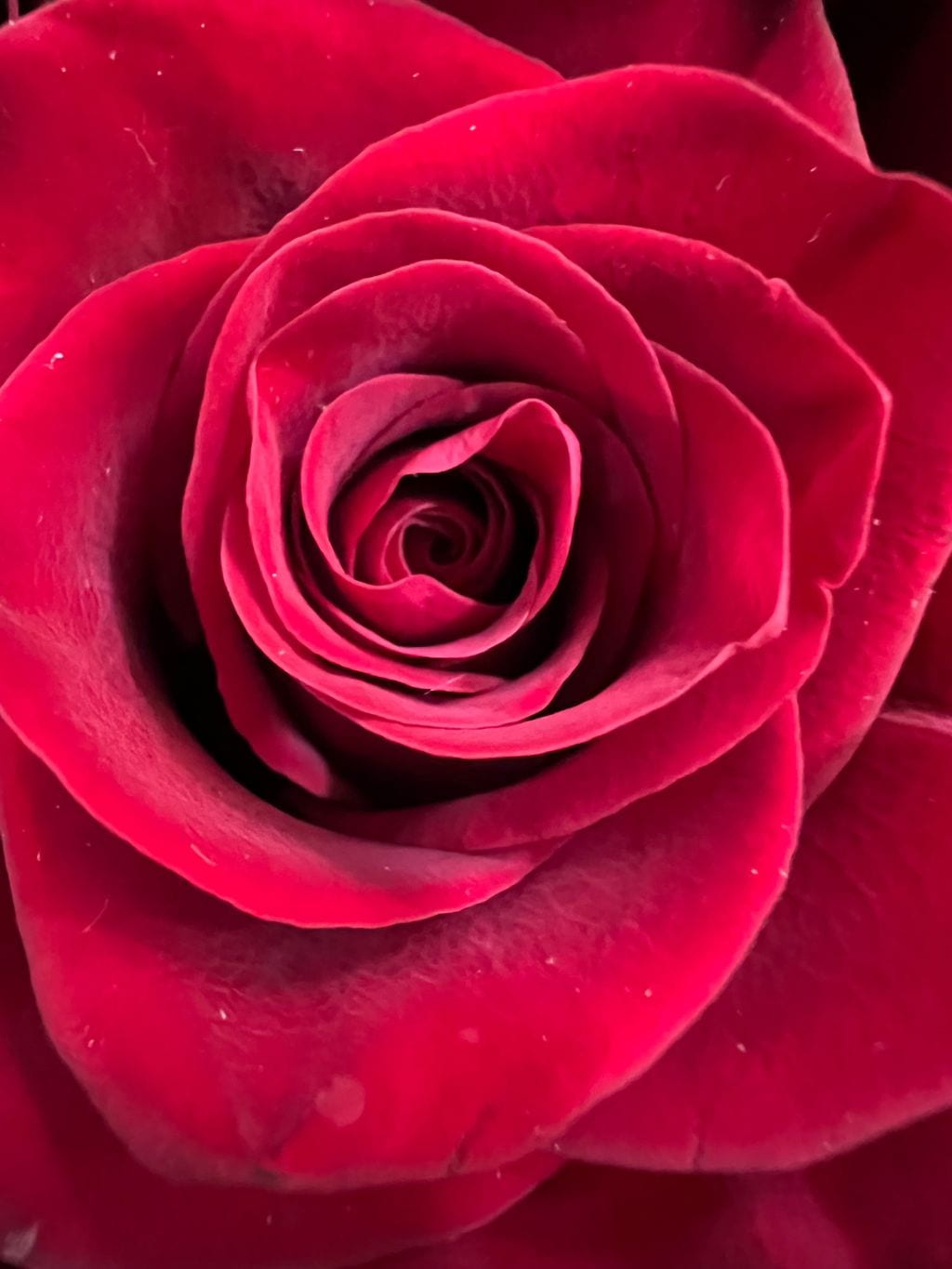
Look at the rose from all angles. What do you notice? Do you see a spiral?
Other activities:
Dissect the rose. Pull it apart carefully and lay down the petals in order as you remove them. How many petals are on the rose? Are the petals all the same size and shape? How do they feel? Smell them.
Rub the leaves and petals on paper. Do you see any colors?
Did you find anything else inside the rose?
Place some rose petals in a jar and close the lid. Leave other petals on your counter. What happens?
Hang a rose upside down with a clothespin and let it dry.
Slit the stem of a fresh white rose into two (or more) sections. Place them in two colors of food coloring. (Don’t add much water.) Observe what happens
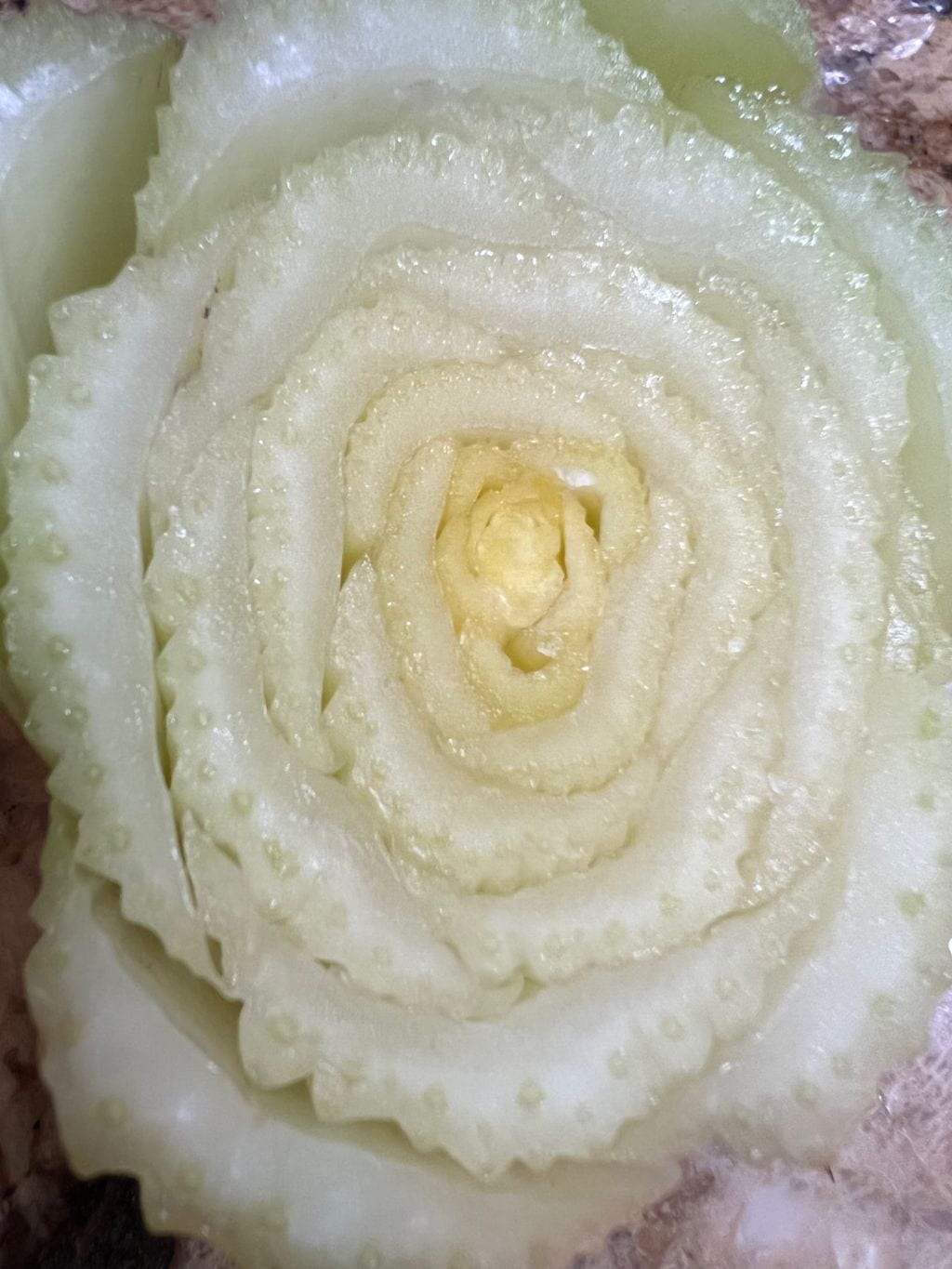
The following photo is not a rose. Can you identify it? Look below the photo for the answer.
I cut off the bottom of a stalk of celery and discovered the shape of a rose.