March 18

Granite Outcrops

My husband and I visited State Botanical Garden of Georgia outside of Athens, Georgia on a recent daytrip. It wasn’t the best time of year to visit gardens, but without much blooming, I noticed the granite outcrops.

Georgia is home to the largest concentration of exposed granite rocks in the southeastern United States, primarily found in the Piedmont and Appalachian regions. One of the most well-known is Stone Mountain.

These outcrops provide a unique habitat for the plants and animals that live there.


March 16

The Why Behind Teaching Science

Some thoughts…

Through my years in education, I’ve seen the time allotted to science (living, physical, and Earth sciences) and social studies (history, geography, economics, and civics) classes cut in elementary schools to add additional time to reading and math blocks.

HOWEVER, less time on these subjects is not what’s best for young children!

Children are sensory learners, driven by curiosity and active exploration, rather than passive receivers of knowledge.

Most of the problems in the world today, such as food insecurity, loss of animal habitats, world relations, climate change, and pandemics revolve around issues related to the sciences. We need informed citizens!

There are well documented health benefits to spending time outside in nature.

These subjects lend themselves to project-based activities with real-world applications, resulting in deeper learning and the development of critical thinking, communication, collaboration, and creativity skills.

Knowledge of these disciplines leads to a deeper appreciation of literature, art, and music.

Research has demonstrated that reading scores actually improve when additional time is spent studying science and social studies! Standardized tests often include non-fiction passages. Children who have greater background knowledge and a broader vocabulary score higher on these exams, but more importantly, read with greater understanding.

I hope teachers are reading non-fiction books to their students and using them in small groups, not just during a science lesson. Cross curricular instruction is the most effective and as I stated in a previous post, many children prefer informational books.

And engaging science lessons create JOY!
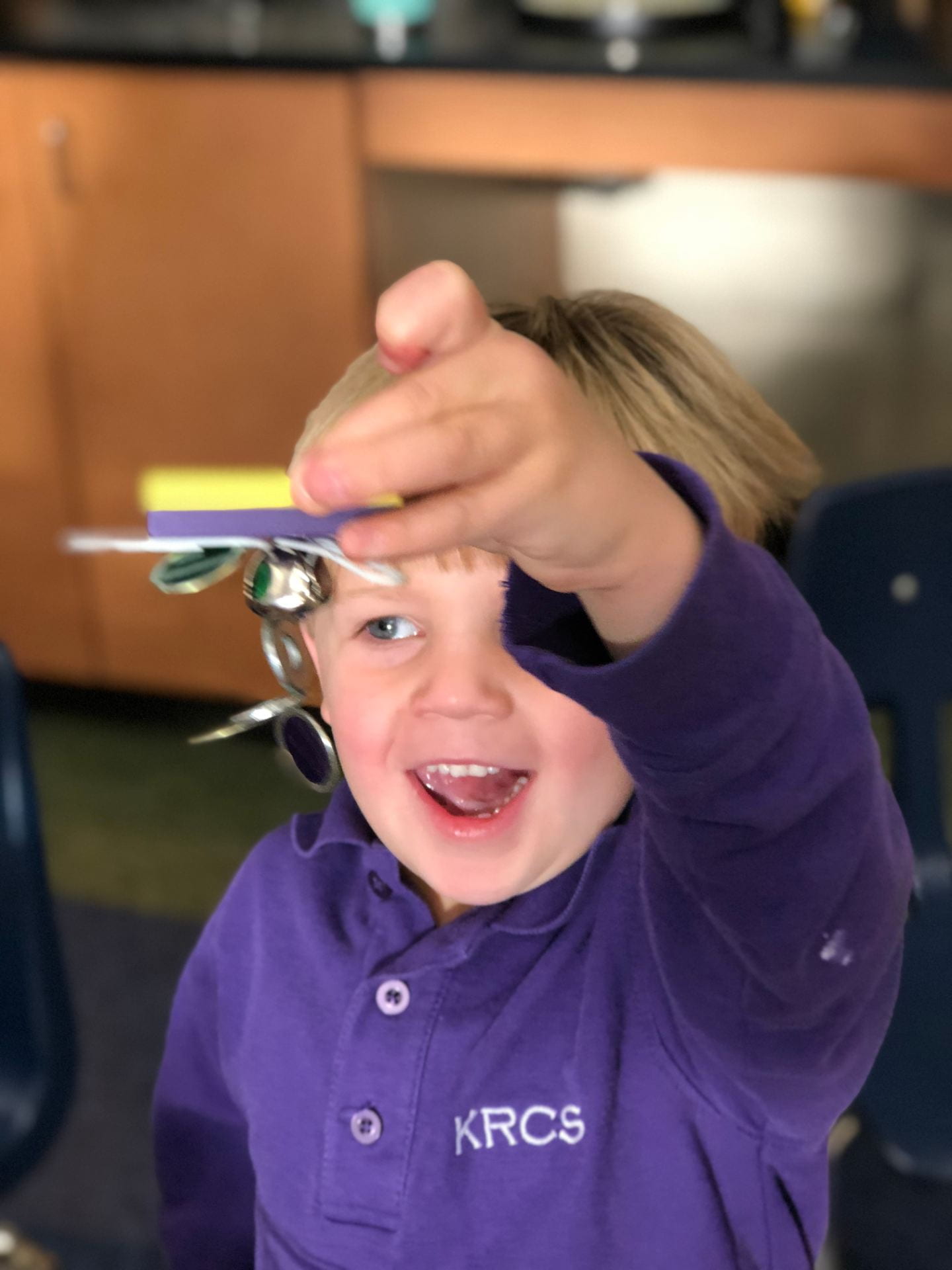
Note: More science does not mean additional time reading science textbooks and completing worksheets! Also, although I am a major advocate for STEM, I need to caution about STEM activities replacing time dedicated to science. The scientific method focuses on understanding natural phenomena, while the engineer design process attempts to create solutions to real-world problems. Both are important. Engineers use their knowledge of science, technology, and math.

March 4

My New Favorite Books!

There is nothing like an engaging picture book!  Research shows that many children prefer non-fiction over fiction. The illustrations in the following books will immediately draw you into them. They are extraordinary! Scientists of all ages will be fans!

I discovered the first three books in the children’s section of the Georgia Botanical Garden gift shop:

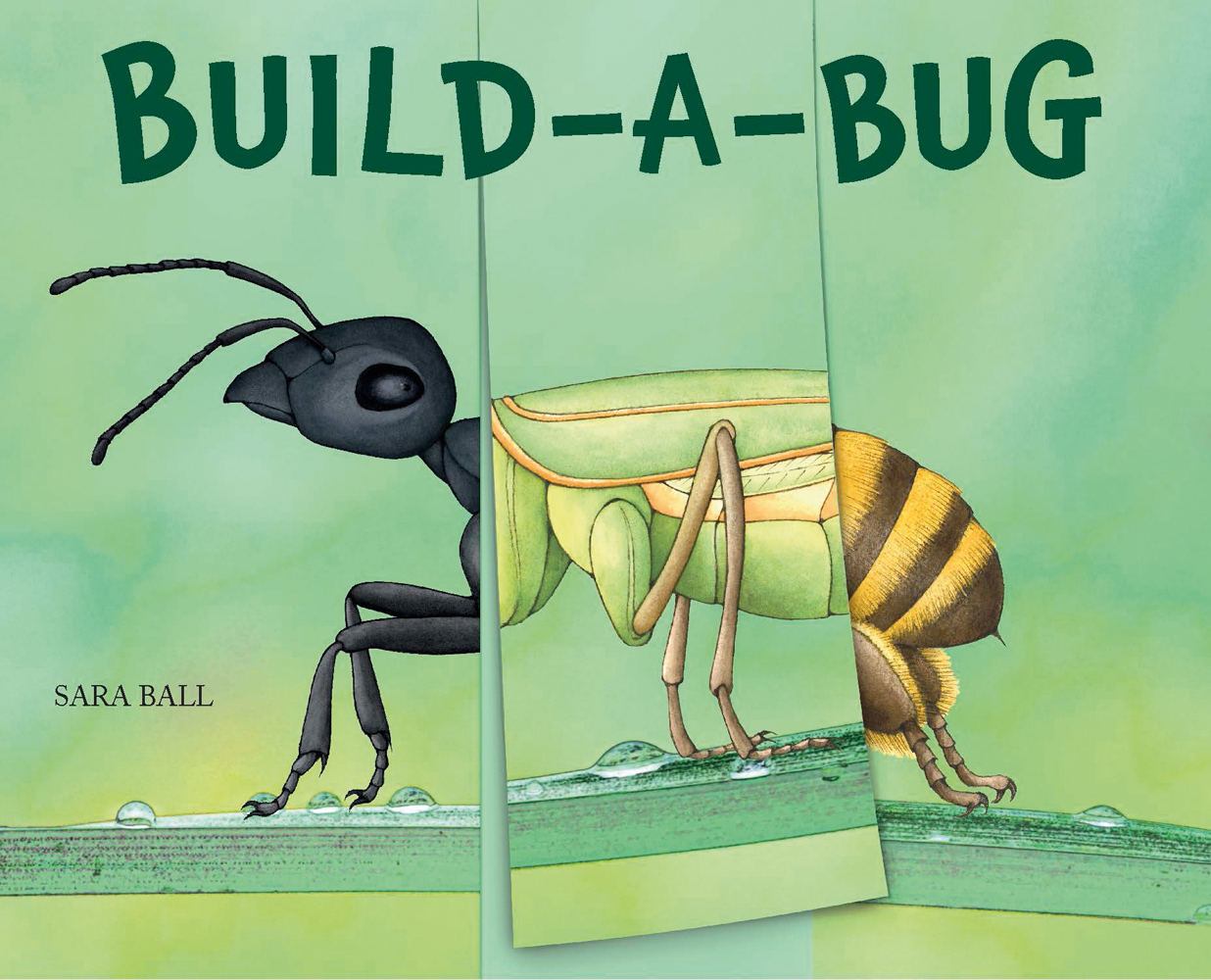
“From the best-selling illustrator of Flip-a-Feather, Mix-a-Mutt, and Flip-o-saurus comes another book with charming artwork and die-cut pages for flip-and-flop fun―this time with insects! Build-a-Bug lets you create wacky combinations of ten types of insects, including a curious beetle, a climbing caterpillar, and a buzzing honeybee. Each flap includes a fun fact about the pictured species, and inside the front cover is a chart showing the real-life sizes of the insects featured, from the ant to the praying mantis.” (Amazon)

Build-a-Bug - ACC Art Books UK

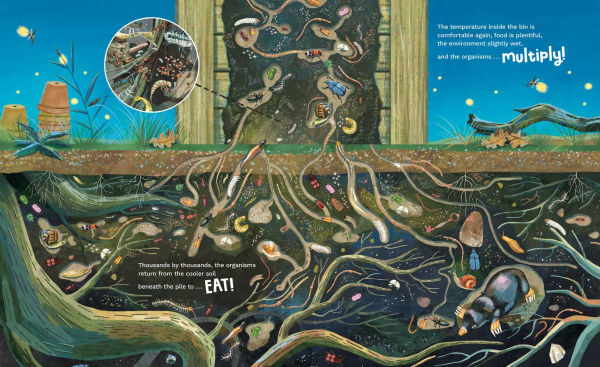
“From creation of the “compost cake” to curing and, finally, using the compost, budding composters will discover what it takes to have a successful bin―as well as the plethora of benefits a compost bin can have to the surrounding environment.” (Amazon)

Inside the Compost Bin, (Hardcover)

Inside the Compost Bin by Melody Sumaoang Plan, Vinh Nguyen, Rong Pham ...

“Featuring foil-stamped illustrations that accentuate the intricacy of spider-web designs, The Secret World of Spiderwebs is a remarkable, beautiful, and spine-tingling tribute to spiders.” (Amazon)

The webs glisten on these pages!

Thanks to StarrMatica for recommending the following two selections:

13 Ways to Eat Fly” is playful STEM picture book that explores how different animals capture
and consume flies, combining science, math, and humor.” (Amazon)

13-ways-to-eat-a-fly-cover

“Perfect for kids who are fascinated by insects and American history, The Spider Lady, a little-known hero of World War II, collected and bred spiders in her home and found new ways to use their silk to help the United States win the war.”  (Amazon) What a remarkable biography! Watch full screen.

Wren Photography recommended this new picture book. The author’s brother is the illustrator.

The Weedy Garden is a debut picture book that invites readers to explore the vibrant ecosystem of a wildlife friendly garden. Nan Renki creates a rich tapestry of life in the garden.”

The Weedy Garden: A Happy Habitat for Wild Friends

March 2

Woven Leaves and Holes in Others

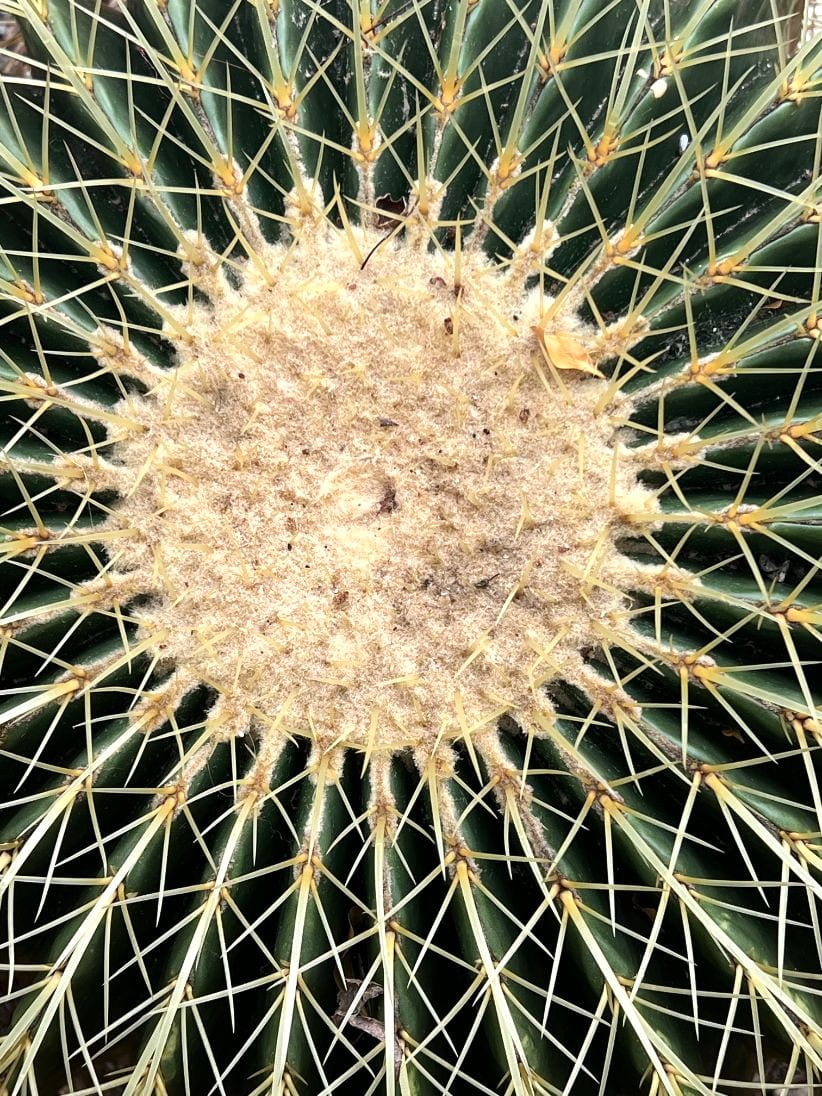
The patterns and designs found in nature intrigue me. Although beautiful, the designs always have a purpose. I snapped these photos while in Florida. In the first photos, the leaves and bark appear to be woven together for strength and protection. Fun examples of engineering in nature and God’s perfect designs!


The rotating pattern looks like it’s moving!

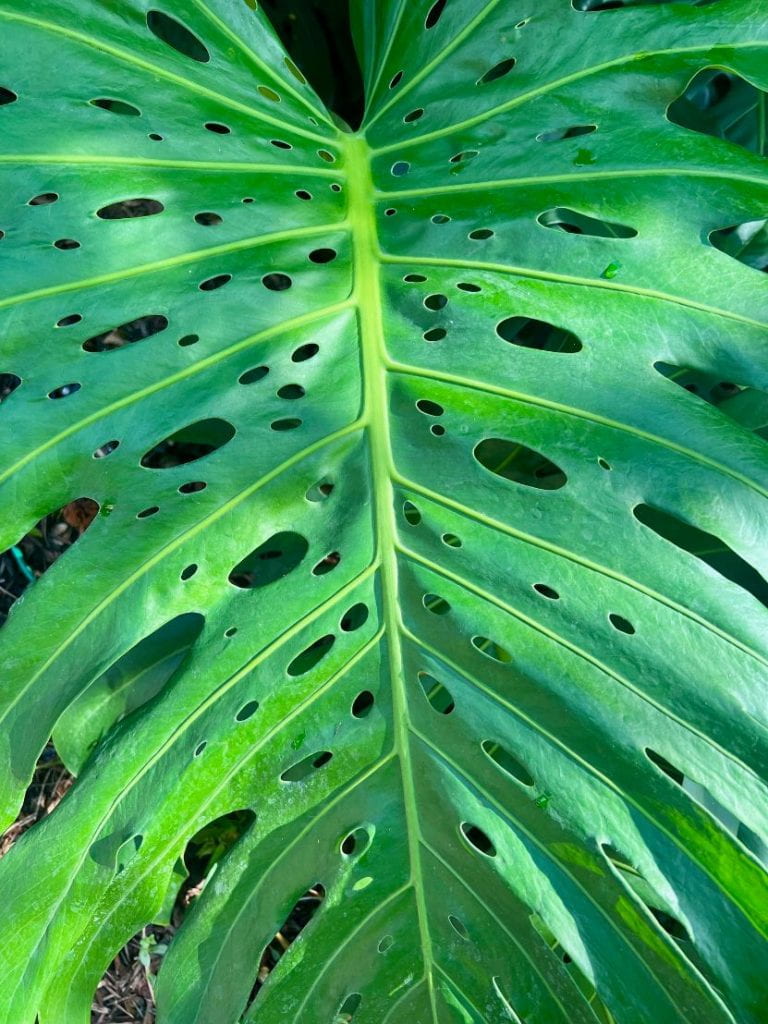
All the large leaves growing on this plant have holes. Why? Scroll down for additional information.

Light is able to reach lower leaves through the holes, especially important because of the dense foliage. During times of heavy rain and strong winds, the holes reduce the chance the leaves will tear.