April 28

Cannonball Jellyfish

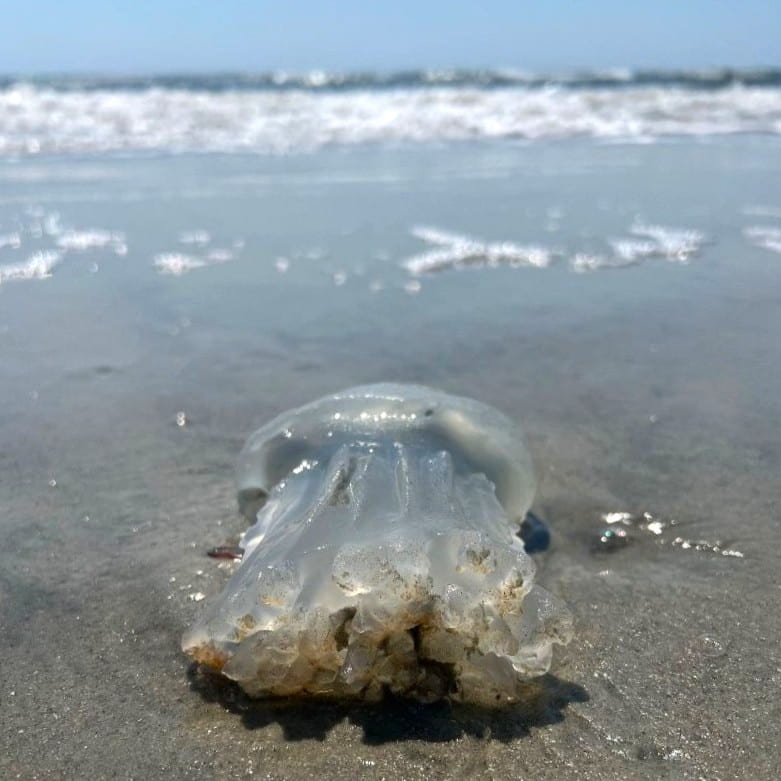
Another study from all angles ….

Cannonball jellyfish were strewn all over the beach on Hilton Head Island.

A Few Facts:

  • These common sea jellies do not usually sting humans and are not considered a threat.
  • Unlike other jellyfish, they do not have long trailing tentacles.
  • Leatherback sea turtles are one of their main predators.
  • They feed primarily on zooplankton.
  • Also called the cabbagehead jellyfish, they are commercially harvested for human consumption in Asian markets.
  • Their lifespan is generally three to six months.


Watch full screen.

Watch full screen.

Related Post

Man o’ War

April 20

Dandelions

A weed is but an unloved flower. (Ella Wheeler Wilcox)

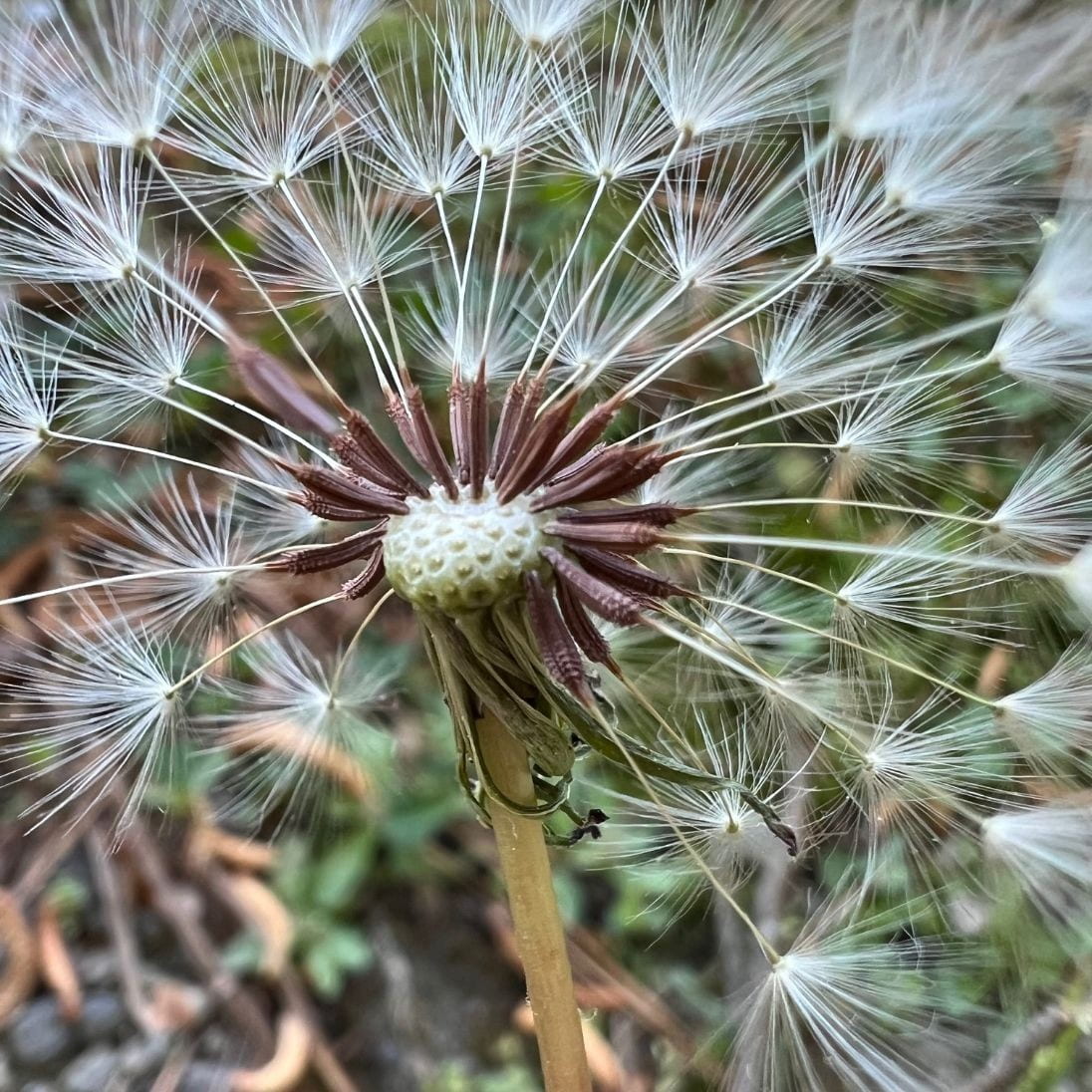
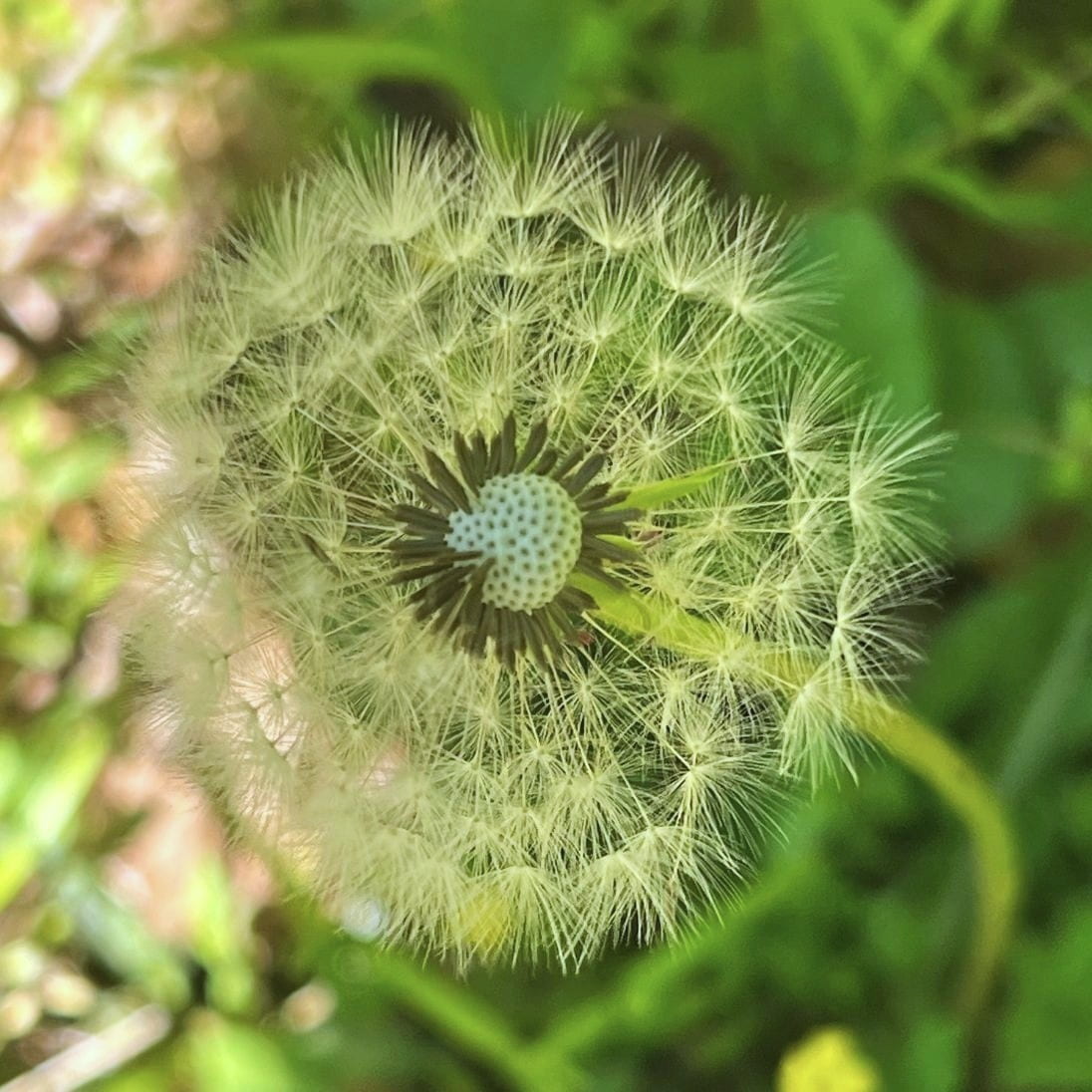
How can the dandelion be considered a weed when its beauty is undeniable? The bright yellow flower is one of the first to welcome spring to the joy of pollinators, but I am especially drawn to the intricate design of their fluffy white seed heads.

Photographing flowers from different perspectives and at varying times of day is such an interesting study.


Nature’s Pincushion


Use the dandelion to study a plant’s life cycle.

Related Post

Dandelion Study (includes literature links and health and wellness benefits)

April 13

Baby Bunnies

When my daughter looked over her deck, she unexpectedly spied a mother rabbit building a nest. The backyard, in her words, now belongs to the bunny family. She will keep me updated. That was all the inspiration I needed to wonder more about the rabbit life cycle.

I didn’t think this nest was well hidden, but according to Braelei Hardt, naturalist with the National Wildlife Federation, “Rabbits nest directly on the ground, often in the middle of lawns, gardens, and landscaped areas. This surprises most people, but it’s intentional. Mother rabbits choose to nest in open, visible locations because approaching predators are easier to spot. The nests are shallow dugouts, layered and covered over with dried leaves, grasses, and the mother rabbit’s hair—easy to stumble across while mowing your lawn or for your dog to uncover accidentally.”

“Rabbits’ nests are often easy to spot, but the mother rabbit is much harder to see. She does not stay at the nest; the babies are left alone,” says Leah Stallings, executive director of Aark Wildlife Rehabilitation and Education Center. “The mother rabbit returns to the nest in the early morning hours to nurse her young. She then leaves the nest but is usually in the area hidden from view,” says Stallings. “She returns in the evening to care for her babies and again leaves them alone for the night—you should rarely, if ever, see the mother.” Notice how camouflaged she is in the photo below.

I look forward to photos of the kits. “The babies grow quickly, and by about three weeks of age, they are weaned and ready to be on their own,” says Stallings.

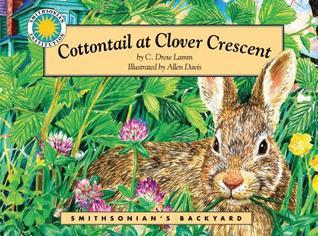
I own these two charming non-fiction books about rabbit families. Although the illustrations aren’t photographs, they are realistic.

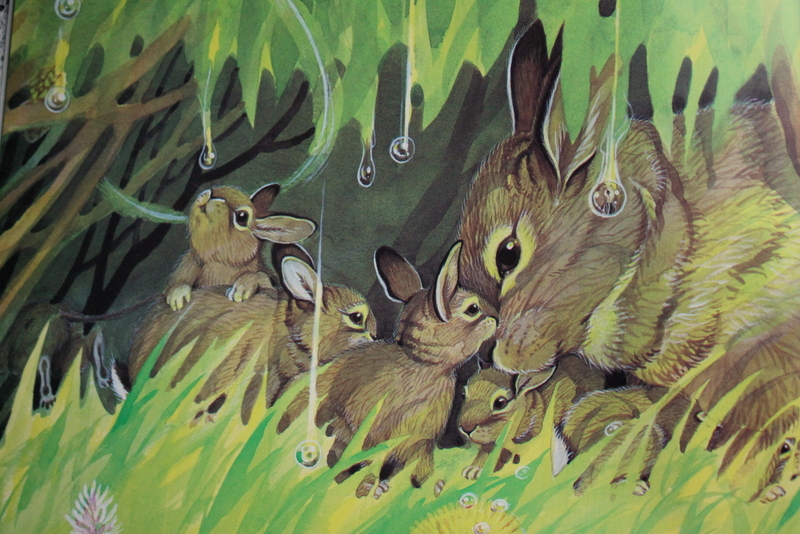
Rabbits and Raindrops by Jim Arnosky, Paperback | Barnes & Noble®

Books and Umbrellas: Rabbits & Raindrops by Jim Arnosky


Cottontail at Clover Crescent (Smithsonian's Backyard Book) by C. Drew ...

April 7

Butterweed

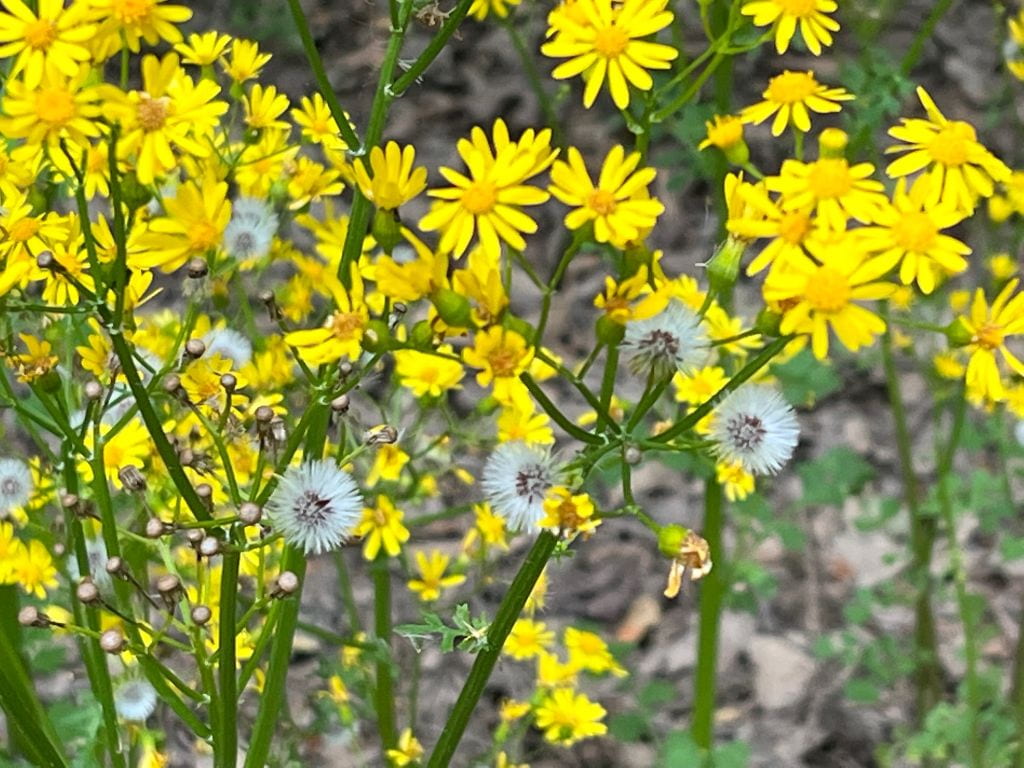
The Greenway woodland floor is winter brown until the butterweed blooms burst forth in early spring and paint the forest yellow.

Although native, this winter annual or biennial is invasive and as evident in the photos below, spreads aggressively. Each plant is capable of producing hundreds of seeds that are dispersed by the wind. It favors damp, open fields and is therefore a threat to farmers because it is toxic to grazing animals. Deer know to avoid it. However, native pollinators welcome these early daisy-like blooms that provide an abundant food source.

Fun fact: The stems of the butterweed are hollow.

Turning to seed:

A favorite from last year:

Watch full screen.

Related Post

Is it a Weed or a Wildflower?

Category: Science | LEAVE A COMMENT