April 29

Nature’s Engineers at Work

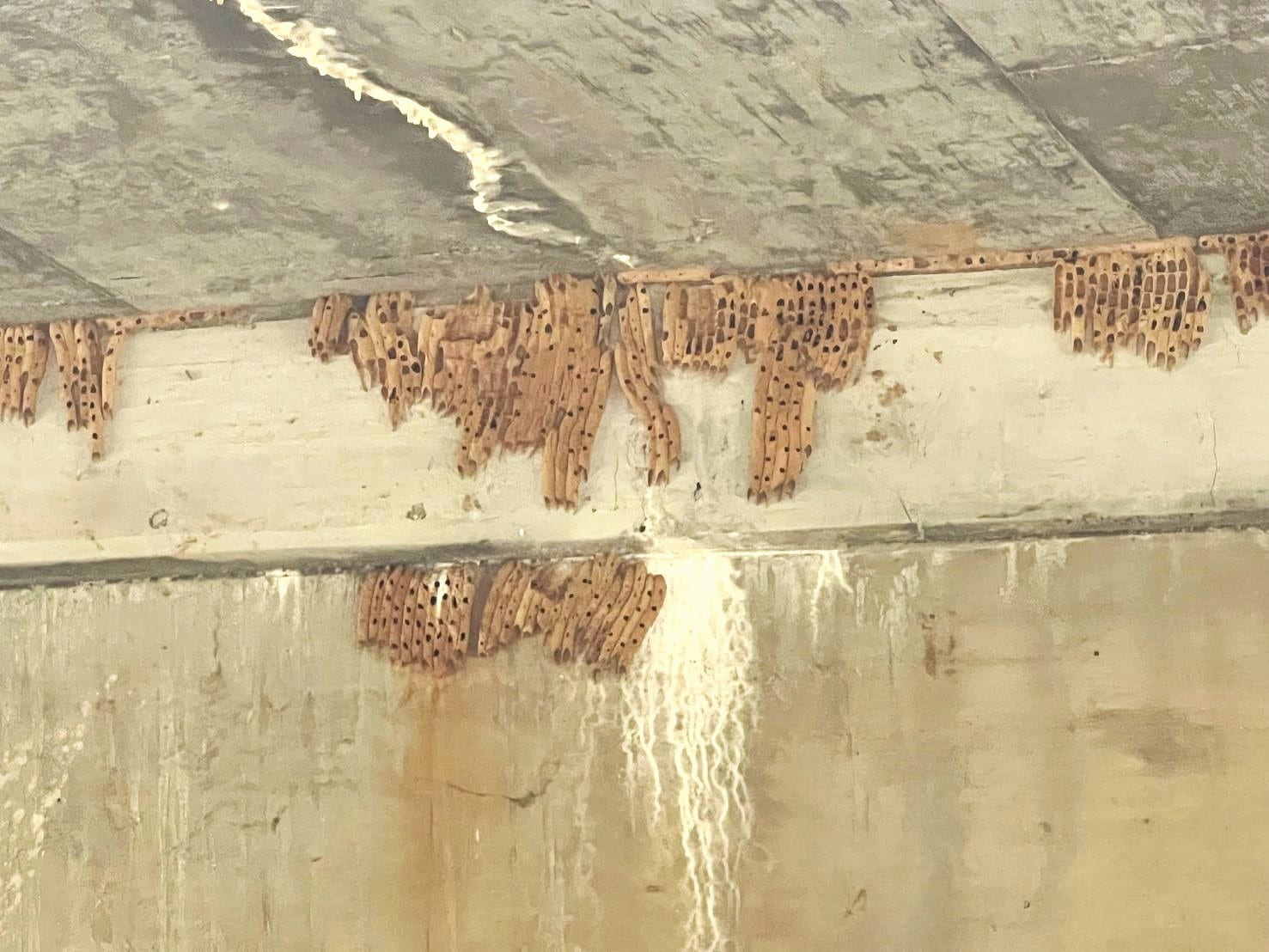
Nature’s engineers amaze me! One of the most interesting I’ve passed recently are the organ pipe shaped homes of mud daubers.

These solitary wasps build their elongated tube-shaped homes from mud (preferably clay) in a sheltered location. Why would you want a home made from mud built away from wind and rain? These photos were taken under a bypass near Big Creek.

To ensure an enduring structure, they collect mud with just the right consistency near riverbanks or from ground that is consistently damp. Multiple trips are necessary to have enough mud to shape the structure, and this engineer must add new layers before the previous layer dries. Mud is carried in the wasp’s mandibles (mouthparts). Now, are you amazed too?

Wasps undergo metamorphosis during their life cycle. One egg will be laid in each compartment of the tube, filled with paralyzed spiders for the larva to eat as it grows, and then sealed. The mud acts as a shell and will protect the larva from temperature changes, humidity, and parasites. The holes in the nests are where the adults have exited the tubes. These wasps are not aggressive.
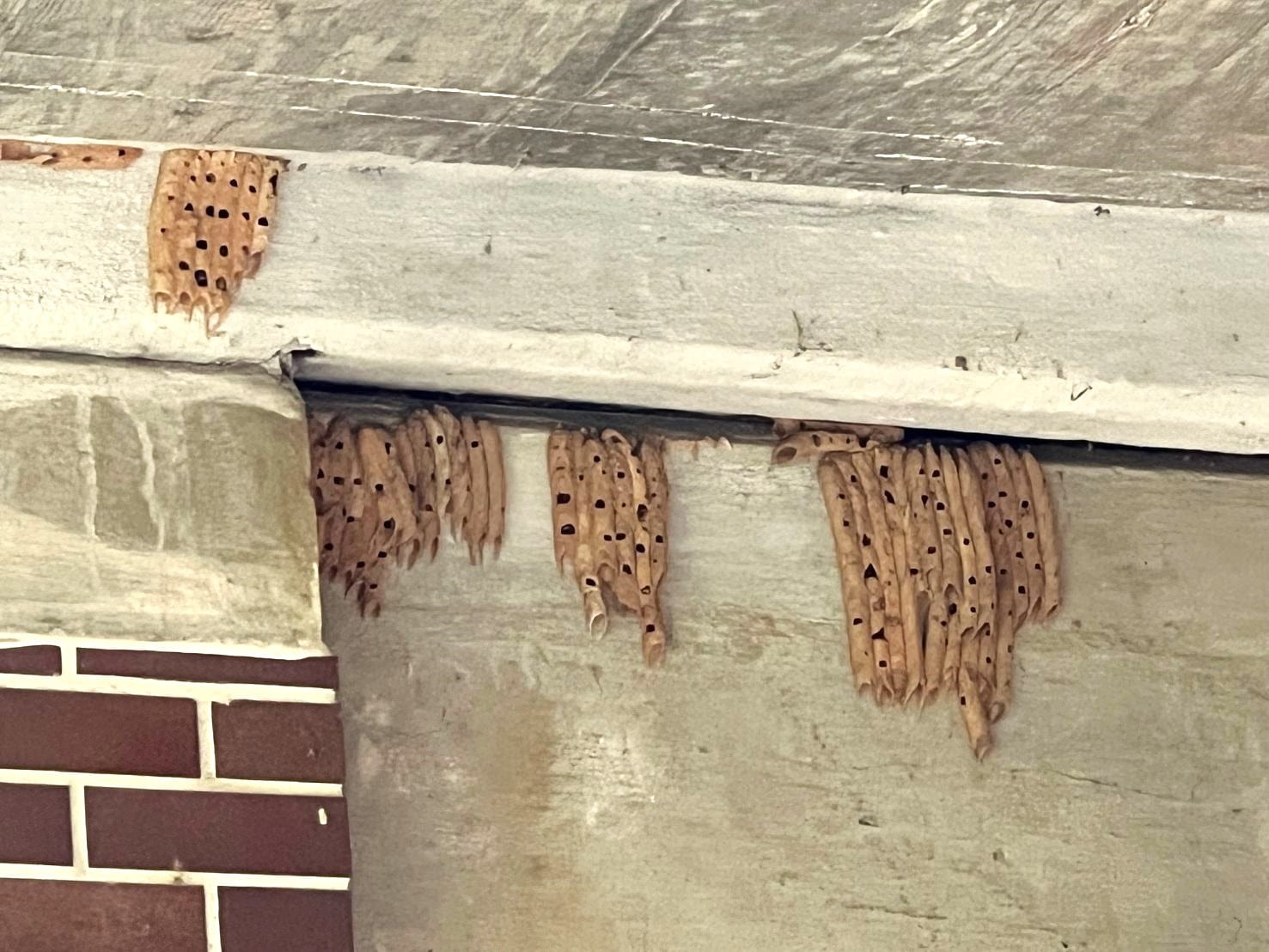

The cylinders are approximately the same diameter.
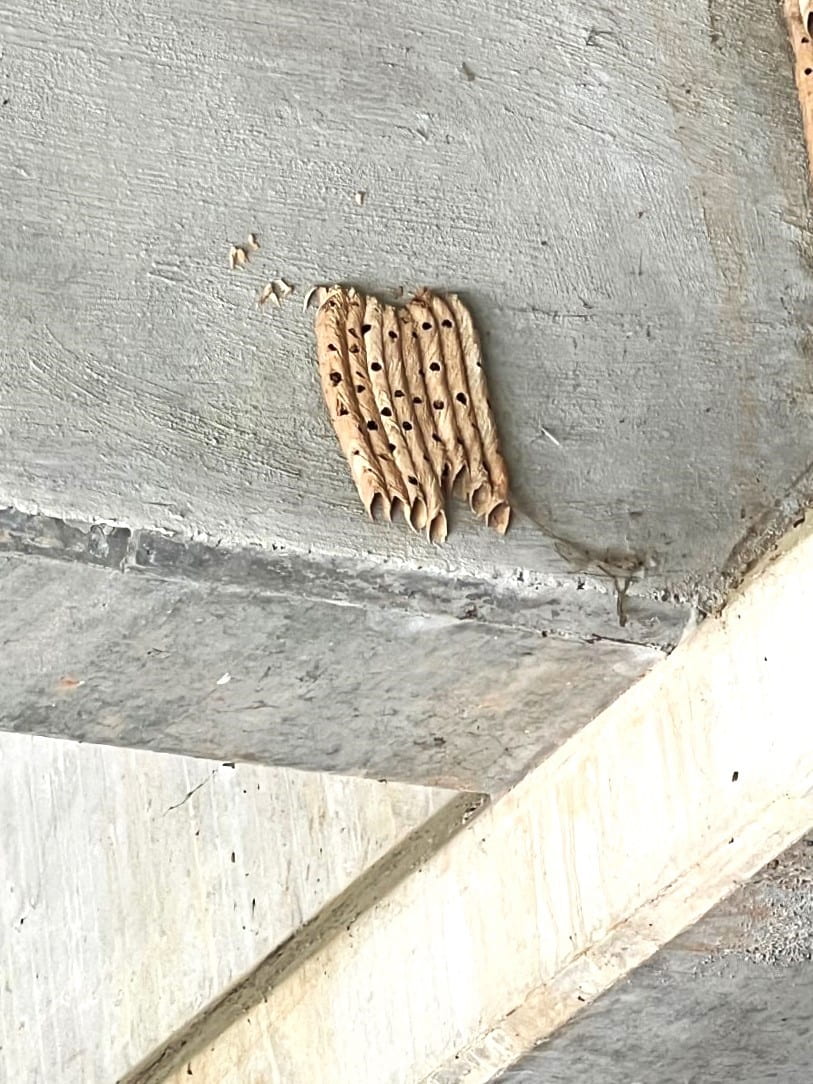
Notice the ridges on the tubes. It increases surface area which promotes even drying and consequently durability.
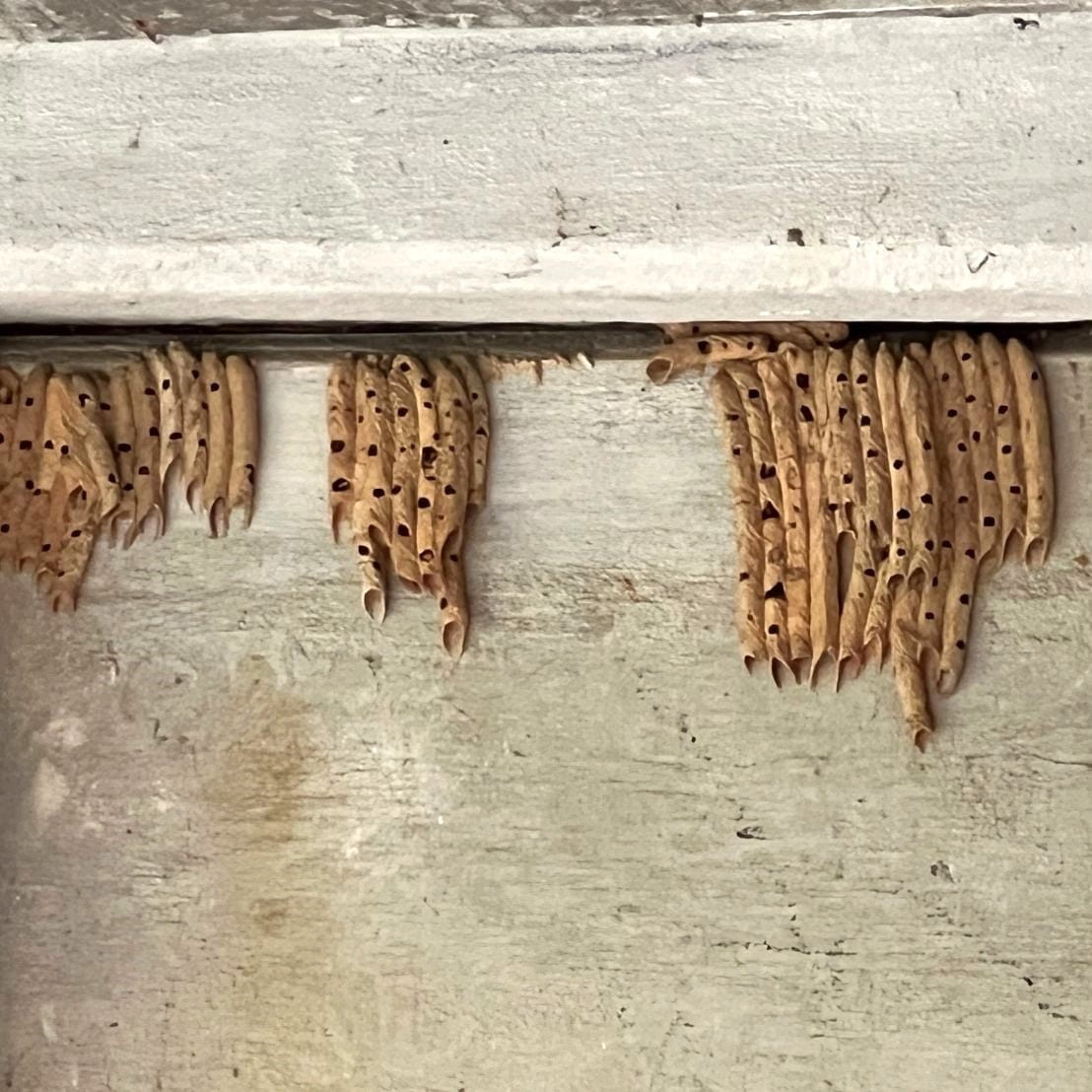

Human and animal architecture are both on display here.


Watch full screen here. (Turn sound down.)

Make this a multidisciplinary topic by hand building pots with clay.

April 23

I Spy

Spring is here and I’ve spied new life in the woodlands! I walk with expectation about what I might see on the path ahead.

Ladybug larvae show little resemblance to the adult stage. Ladybugs

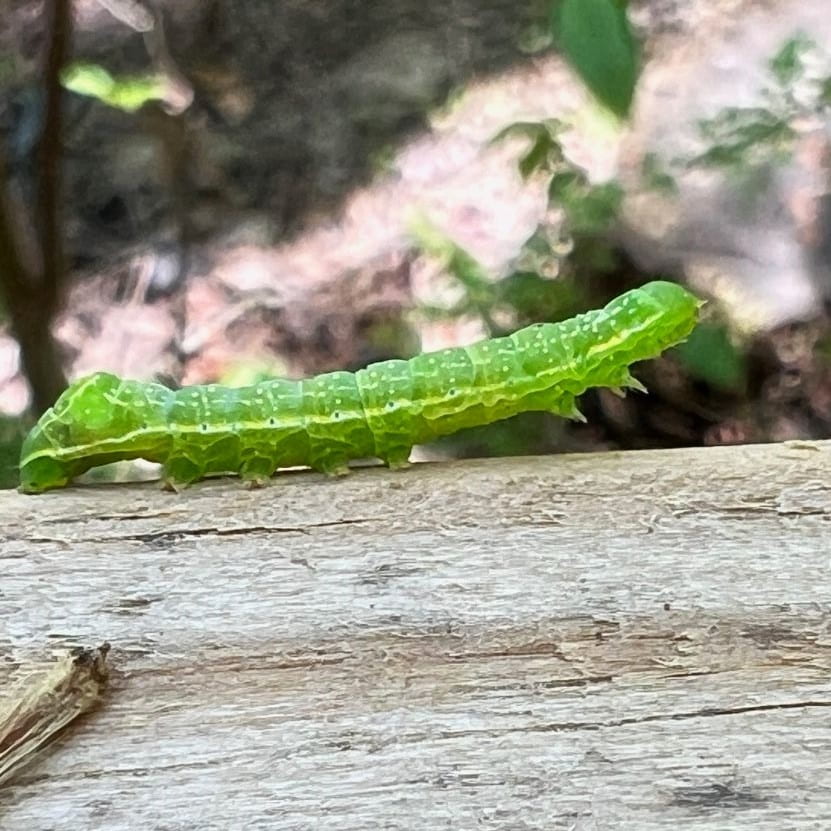
The speckled green fruitworm moth caterpillar hurried along a railing. Caterpillars

Tadpoles were warming themselves in the shallows of a stream. Tadpoles, Frogs and Toads

I helped the pond slider hatchling cross the paved path that is frequented by cyclists. Turtles
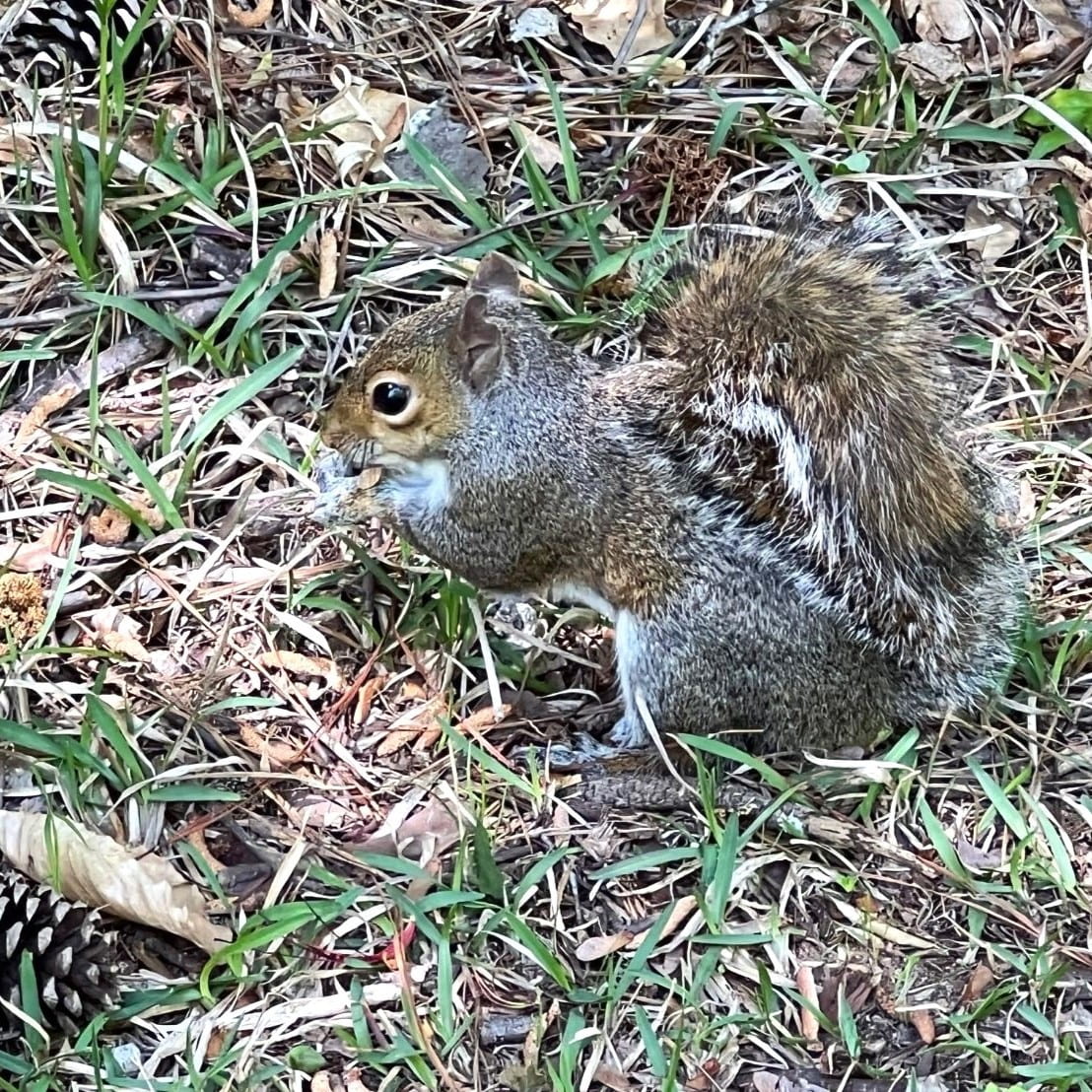
This kit didn’t mind me at all! Squirrels

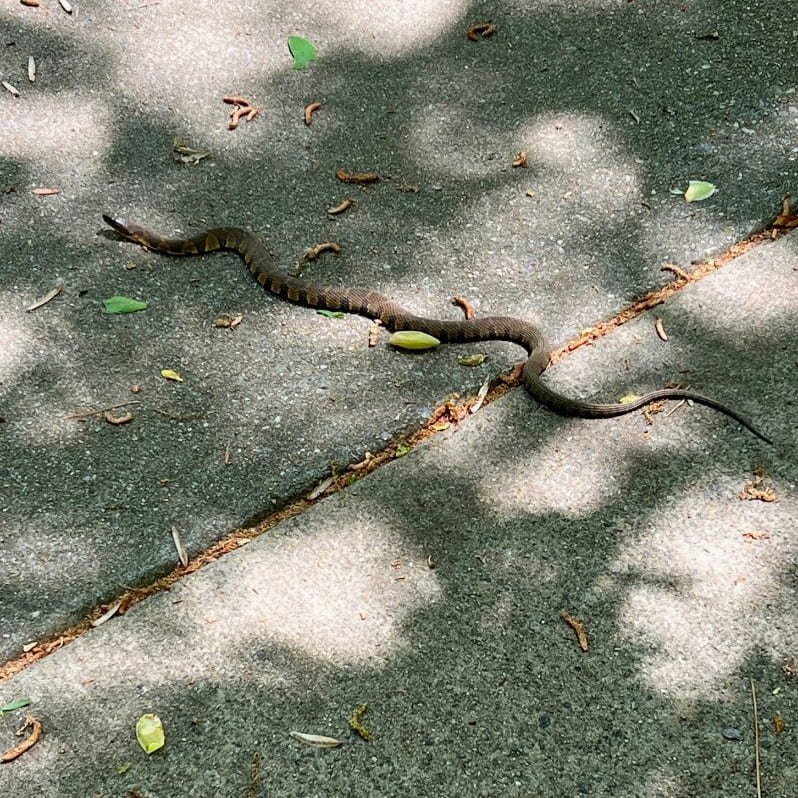
Other animals have come out of hibernation. Snakes, Hibernation

Related Spring Posts

Spring is Here!

Spring-Brown to Green

Signs of Spring

April 21

Balance

On a visit to Maryland, we made a second visit to Glenstone. Watch full screen here.

One of the sculptures, As Long As the Sun Lasts, by Da Corte particularly caught my interest on this visit. How does it remain balanced when the wind blows?

Engineers must understand the fundamental concept of balance to grasp how structures remain stable and upright. In the related posts section below, there are a variety of activities to explore the concept of balance in engaging, hands-on ways. Children will also investigate principles of motion through these tasks as well.

Create a balance sculpture with your students or children. Watch full screen here.

Give your child (student) a lunch bag of objects, such as blocks, a plastic cup, ruler, paper towel tubes, or a pencil. Ask him/her to build something that demonstrates balance.

Related Posts

Rock Sculptures and More Sculptures

Tails

Balance Scales

More Balance Activities and Even More

Balance Birds

Block Building

Magnet Sculptures

Which Shape is the Strongest?

April 16

Codominance

I’ve shared numerous phenomena, natural events, that I’ve observed on my woodland walks. Use a phenomenon to springboard a unit of study or when you have an extra few minutes that you want to use meaningfully with your students or children.

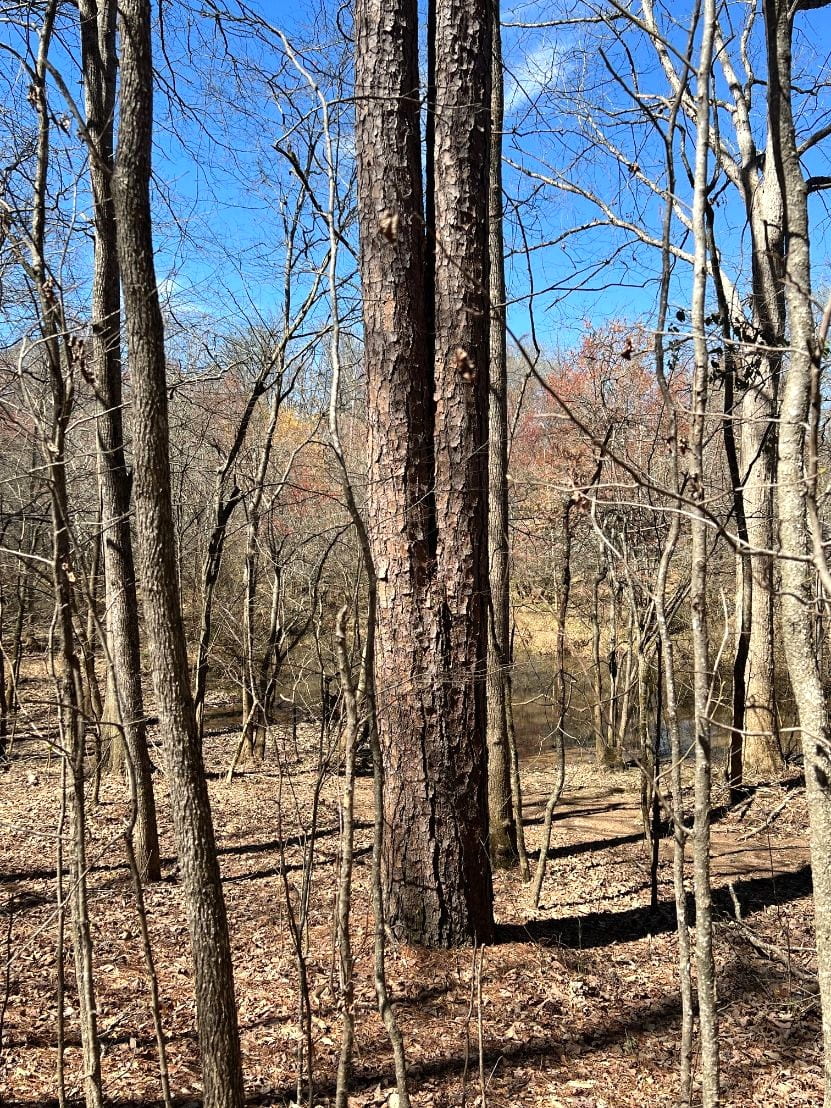
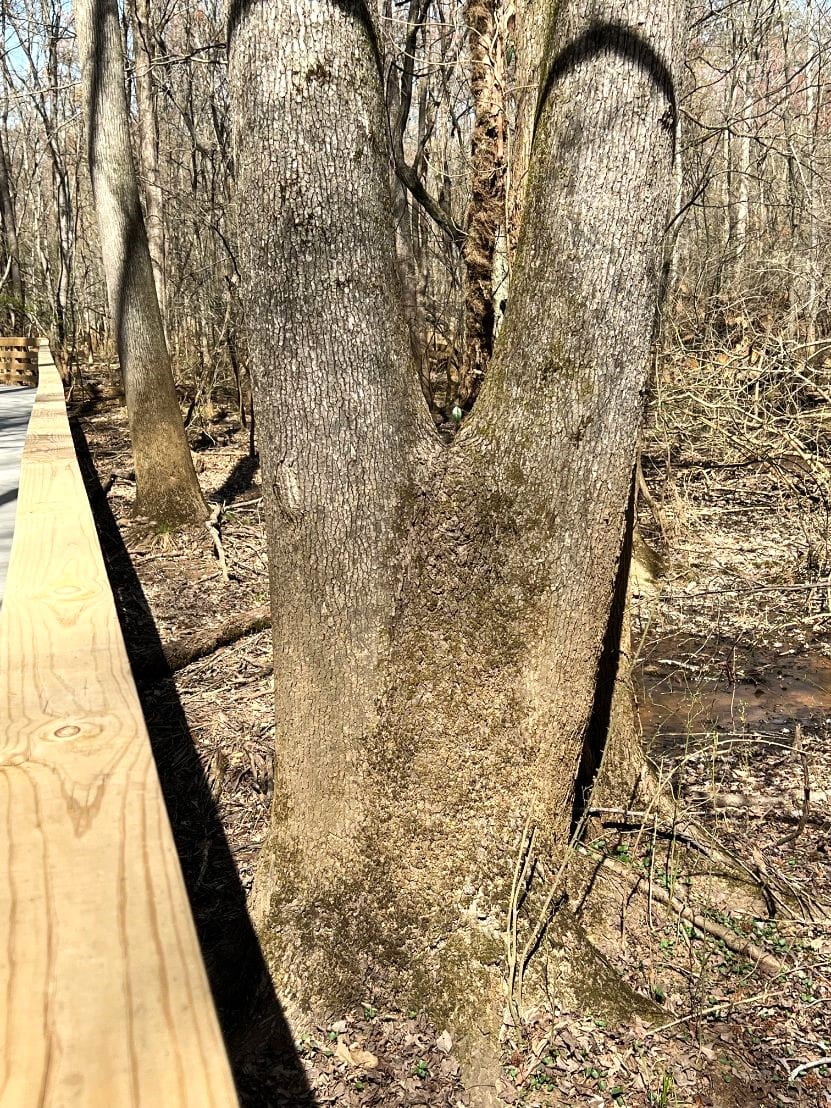
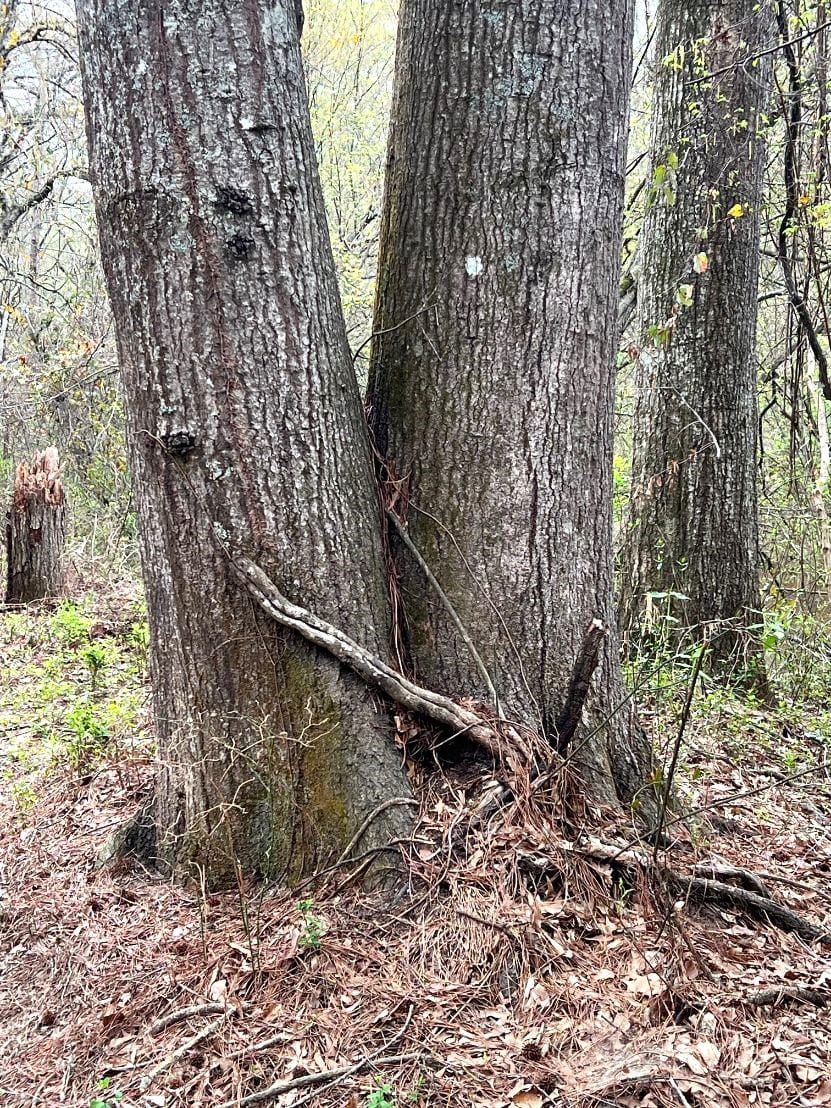
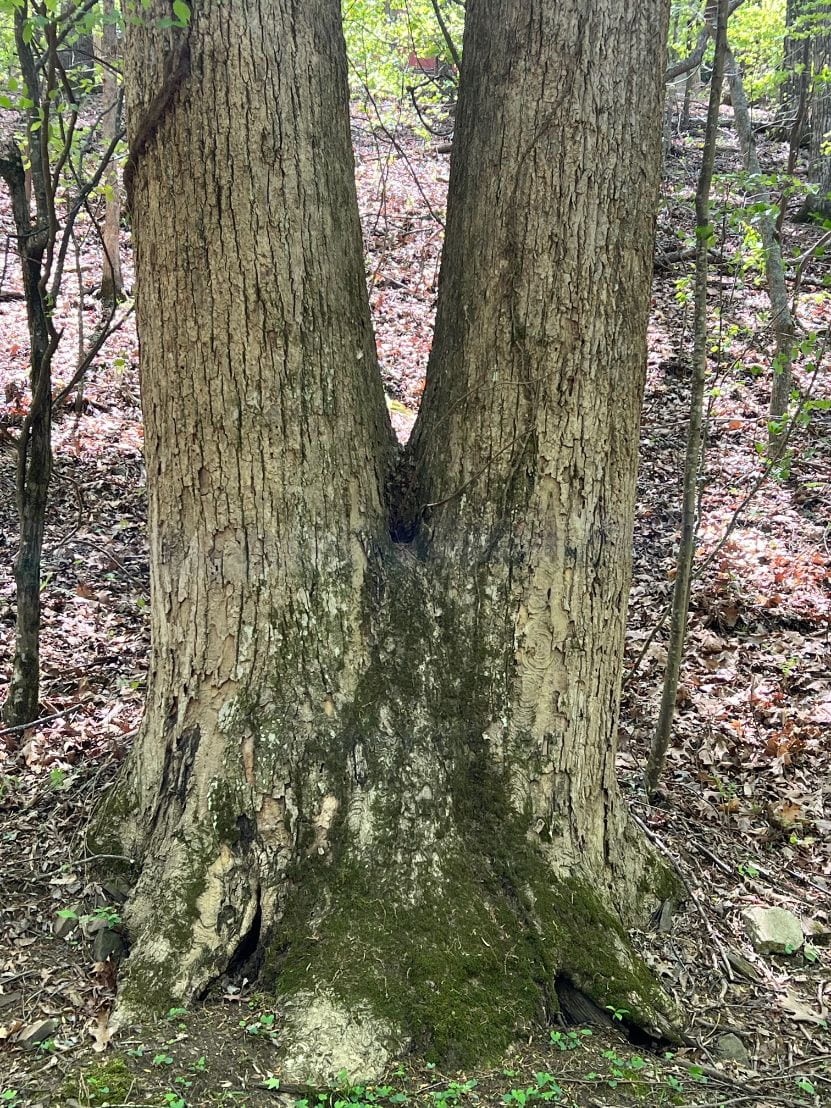
What do you notice about these trees?

Why did these tree trunks split and begin growing in two parts? This phenomenon is referred to as codominant stems. They grow upward in a V shaped angle, originate from a common point, and have approximately the same diameter. Why did this occur and how will it impact the tree long-term? Read more here.

Watch full screen here.

Now that we have learned about codominance, examine the bark where the two parts of the trunk are connected.

Related Post

Pretzel Tree

Looking for more posts about natural phenomena, use the search tool in the top right corner.

Category: Science | LEAVE A COMMENT
April 14

Have You Seen This Before?

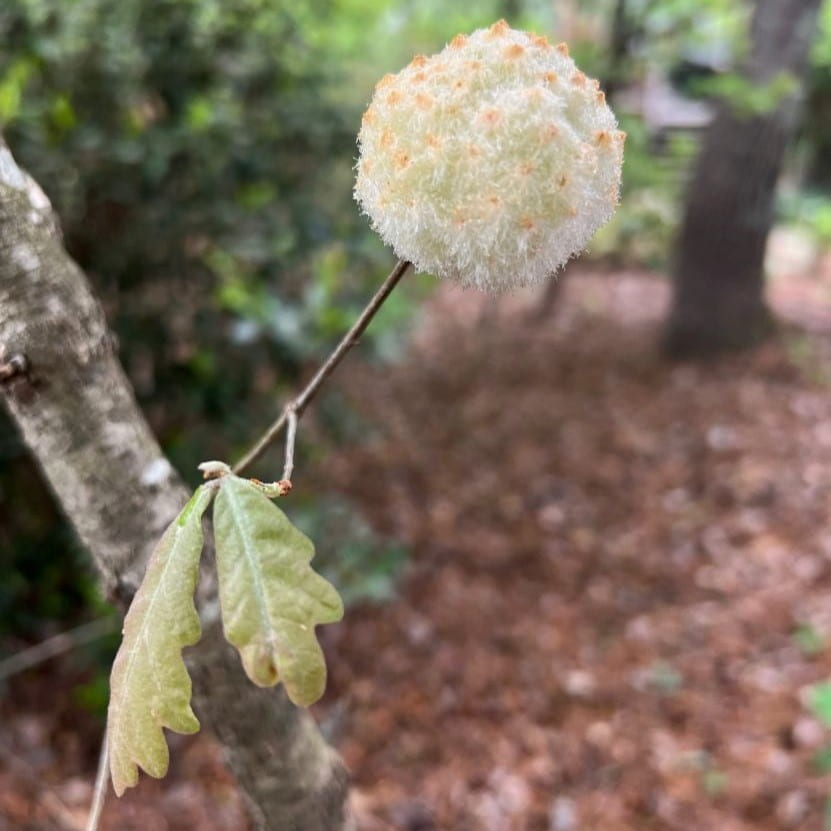
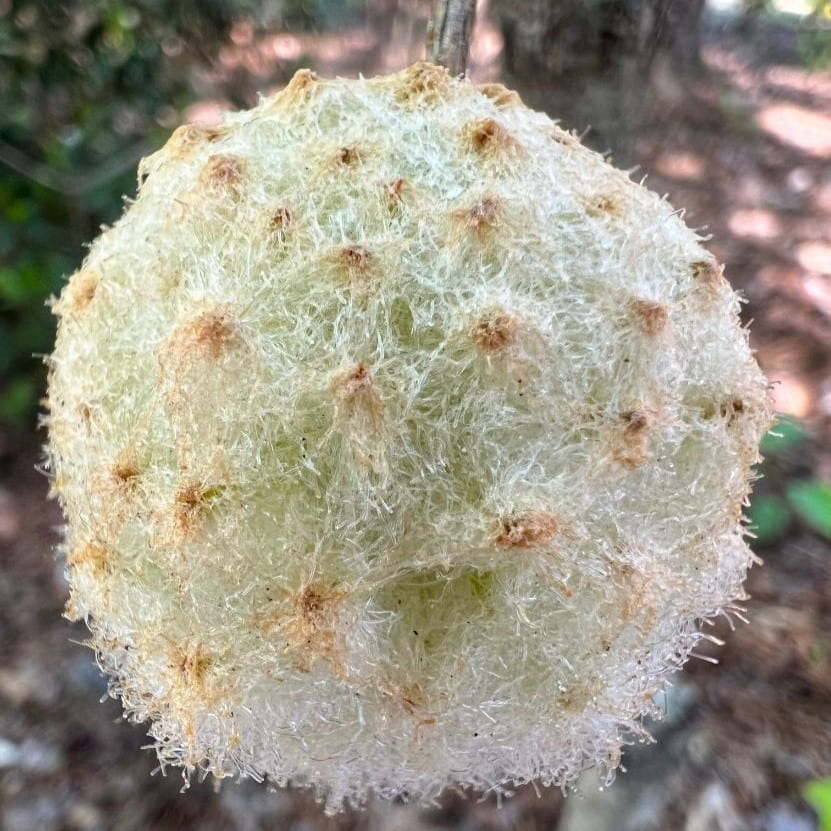
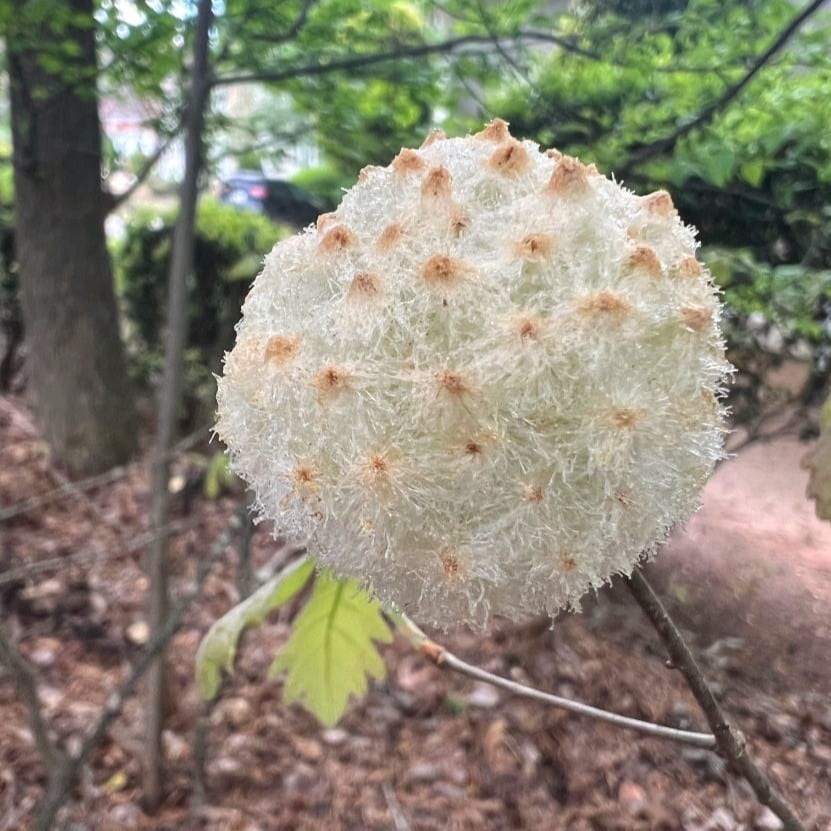
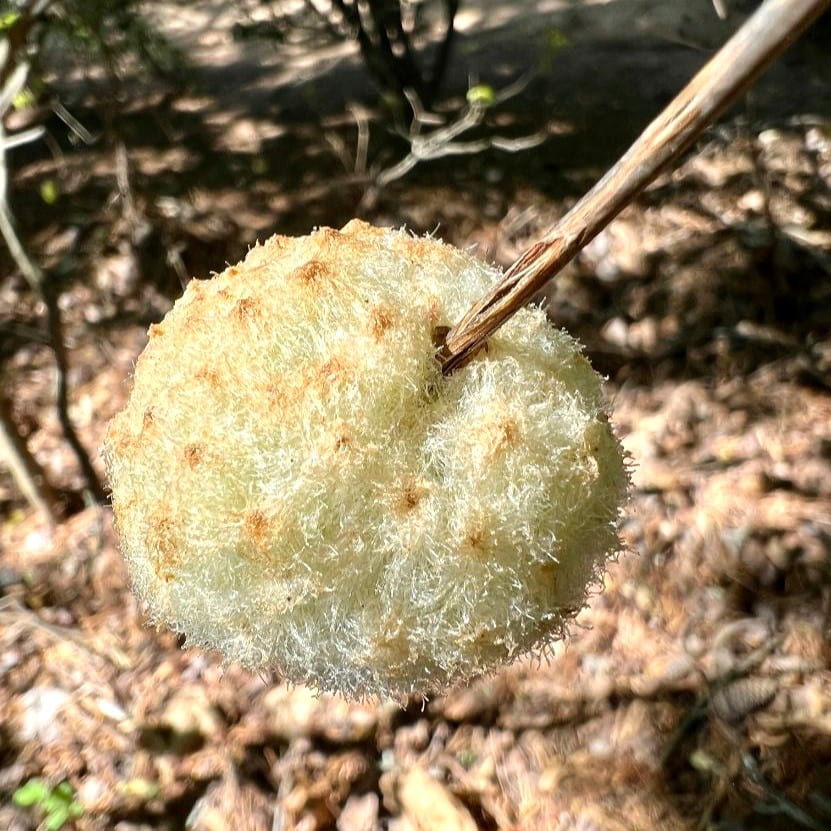
While my husband and I were completing spring tasks in our yard, he noticed two large, lacy balls hanging from a young oak tree. We had never seen this before, have you?

We wondered if the balls were part of the plant, a disease, or perhaps an insect home?

After research, I concluded that we had found wool sower galls. The gall is plant tissue created as a protective covering for the developing parasitic cynipid wasps. These small wasps don’t sting and won’t harm the tree. The galls can take two or more years to develop and are predominately found on white oak trees. Read more here and here.

“The most beautiful gift of nature is that it gives one pleasure to look around and try to comprehend what we see.”  Albert Einstein

Category: Science | LEAVE A COMMENT
April 9

Blueberry Awards

“The Blueberry Awards are annual literary awards that honor exemplary children’s books aimed at ages 3 to 10, focusing on fostering a love for nature and encouraging action for the planet. Established by the Evanston Public Library in 2021, these awards recognize literature that strengthens children’s connections with nature and promotes climate stewardship.” The Alliance for Early Childhood

If you know a young scientist who loves nature, be sure to check out these lists! Board books for the very young are also included in the lists.

2024 Blueberry Awards

Previous Winners, Baby Blueberry Winners, and Submission Criteria

April 7

Is This Really STEM?

When you hear someone refer to STEM, what do you think he or she means? I have found in my work as an educator that the term STEM is often misunderstood.

Kerry Tracy clearly contrasts the differences between a craft and a true STEM challenge in this video. She presents five questions to help educators and parents distinguish between the two.

Watch full screen here.

Check out Kerry Tracy’s blog and products on her website: Home – Feel Good Teaching