December 17

Living Things Lab

I am the science enrichment teacher for learning pods at the ColLab. After observing the skulls of deer and comparing pinecones and evergreen needles, we investigated roly polies. A preassessment provided insight into our background knowledge of pill bugs.

Facts We Learned:

Pill bugs, also called roly polies, potato bugs, and isopods, are not bugs at all, but crustaceans and therefore related to shrimp, lobsters, and crayfish. They are the only terrestrial crustacean.

Roly polies breath through gills and must consequently live in a damp habitat. They are more active at night.

When threatened, pill bugs roll into a ball. Armadillos use the same defense mechanism.

Pill bugs have 14 legs (seven pairs).

They grow by molting a hard exoskeleton.

As decomposers, they eat rotting vegetation on the woodland floor.

Eggs are carried in a pouch under the female.


Watch full screen.

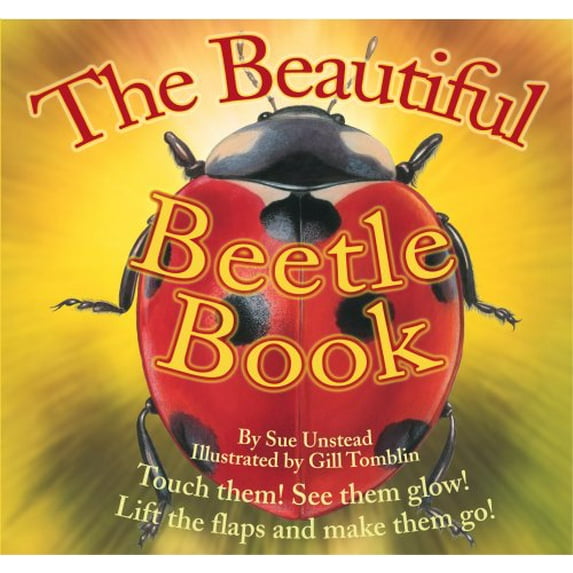
Add this nonfiction picture book with photos of isopods to your science collection:

December 15

Photo Cards

In addition to sharing the photos I’ve taken on this blog with you; I’m also using them to design cards for friends and family. I enjoy sharing the beauty of creation with others! Your children or students will have fun making their own cards with the photos they have taken.


I’ve also drawn some whimsical designs on cards. (Mushrooms are next.)

My daughter is grown with a child of her own, but we made cards for her grandparents when she was young. These are some of her masterpieces and easy models for your artists.


Category: Art, Science | LEAVE A COMMENT
December 10

Holiday Compilation

Through the years, I’ve created a variety of seasonal posts. I’ve gathered them in one place for your quick reference this holiday season. There are literature, social studies, engineering, math, and art activities to share with your families or students.

Deck the Halls – Holiday Plants

Mistletoe

Using Nature to Decorate

Chestnuts Roasting

Pine Trees

An Outdoor Family Tradition

Poinsettias

Conifers and More Conifers

Evergreens and Conifers

Scientists in the Christmas Story

Holiday Labs

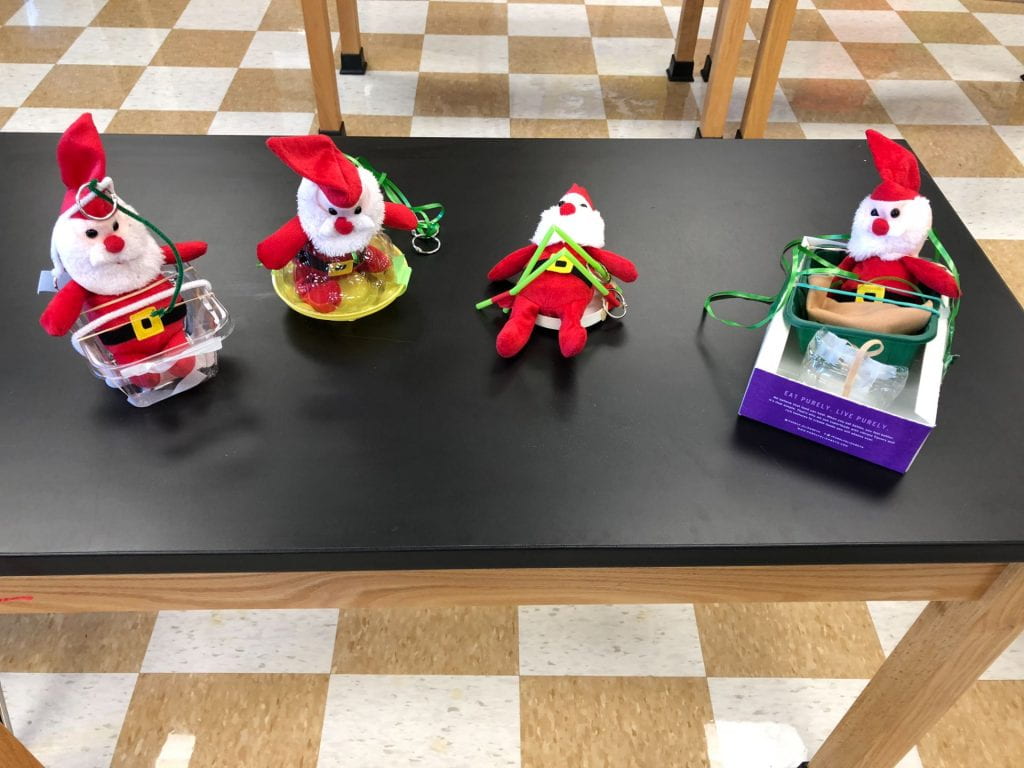
Ziplines and More Ziplines

Jingle Bell Mazes with Legos

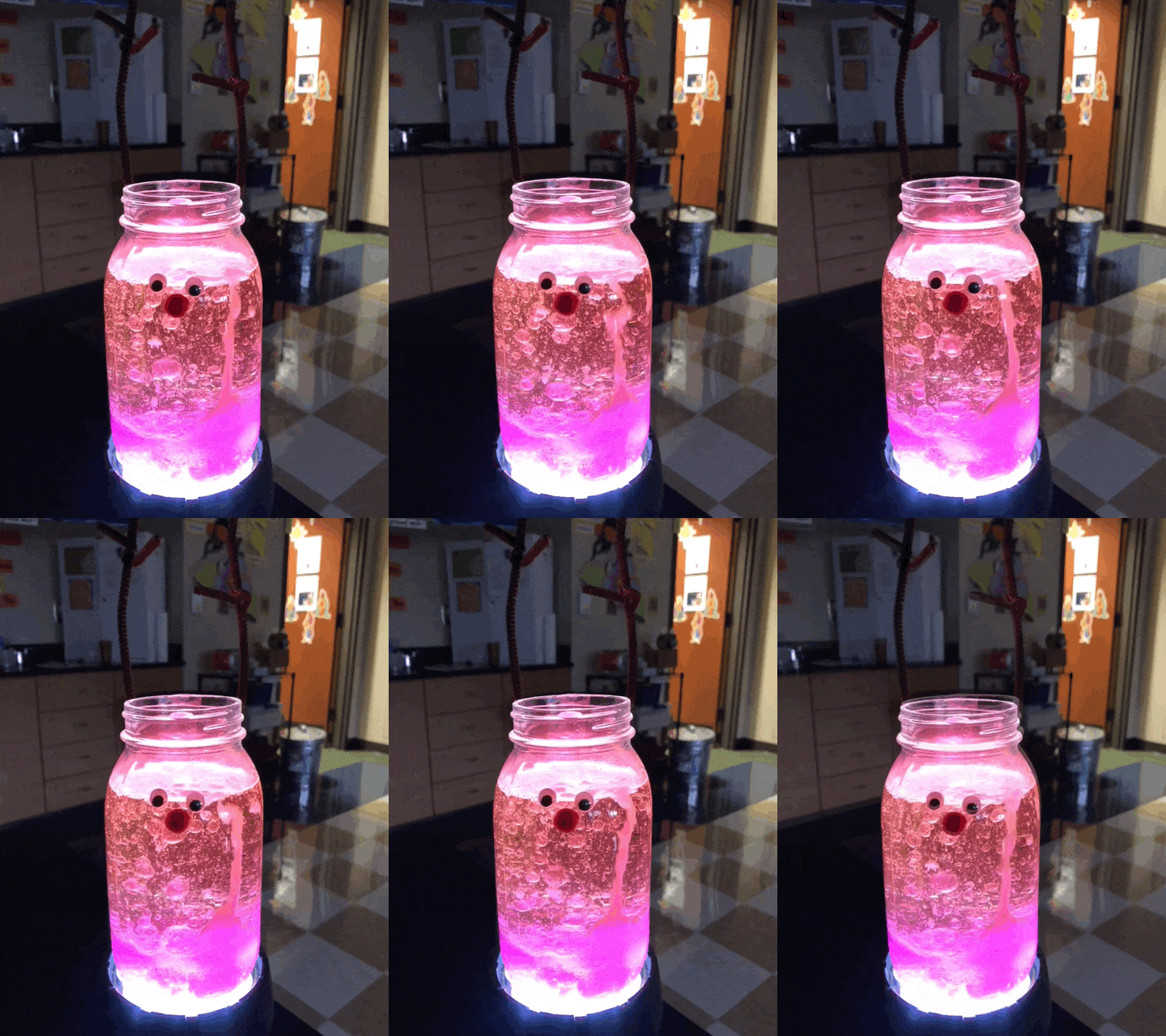
Reindeer Lava Lamps

Empathy Lab

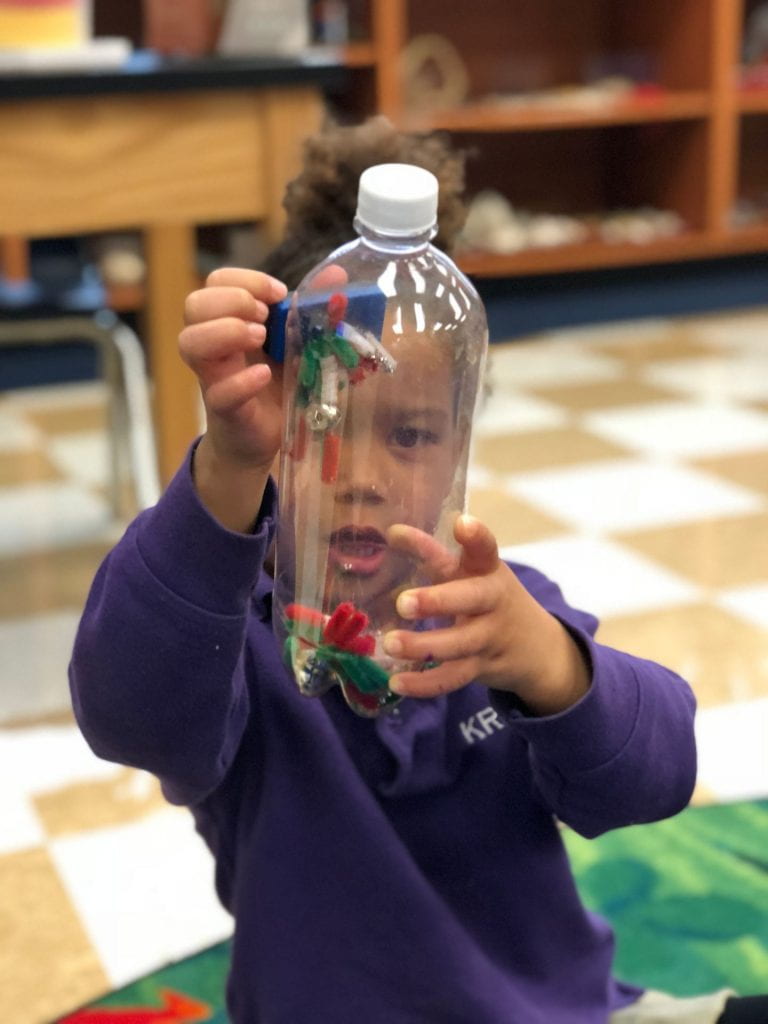
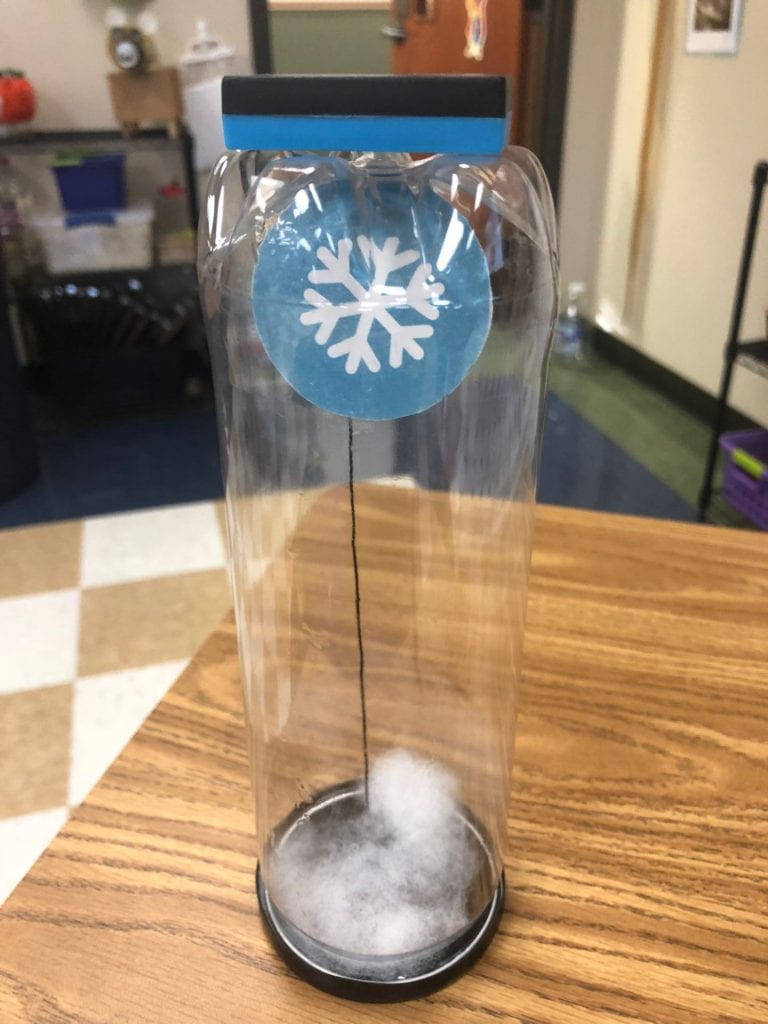
Holiday Magnets

Watch full screen.

Other Subjects

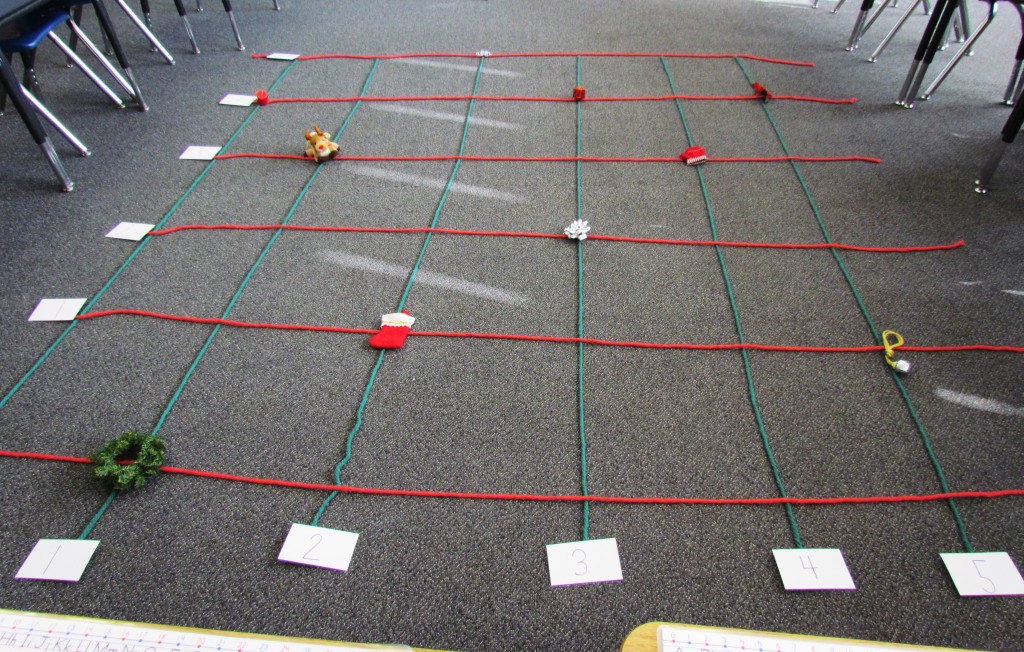
Coordinate Grids

Holiday Nouns

December 8

Podcasts

I regularly listen to podcasts when I drive. These are two of my new finds:

The Everything ECE (Early Childhood Education) Podcast is for educators, as well as parents and grandparents. Such wisdom! I wish every classroom followed her model.

“The Everything ECE Podcast is for early childhood educators, preschool teachers, and childcare professionals who want to grow intentionally and take meaningful action. Host Carla Ward shares real-life insights, expert interviews, and practical strategies to support your work in childcare centers, preschools, and kindergartens. From play-based learning to leadership, each episode helps you stay inspired, confident, and connected to your purpose.”

Another favorite is the hallway conversations podcast.

“We are friends who have been teaching for quite a while, but we still have lots of questions about education. This is our place for thinking out loud about topics we think are important for Christian educators to consider. We regularly have face-to-face hallway conversations, and this podcast is our way of inviting you into our reflections on contemporary education.”

What are your favorites?

December 3

Tree Rubs

Have you ever noticed a section of bark missing from a tree? What do you think may have caused this damage?

A buck rub is the result of a male deer using its antlers to strip bark from trees or young saplings.

Why do bucks display this behavior?

  • to mark territory both visually and through a hormone scent released from a forehead gland
  • to remove itchy velvet after antlers have hardened and finished growing for the season
  • to strengthen neck and shoulder muscles in preparation for combat with other males during the rut

Watch full screen.

Related Posts

White Tailed Deer

Oh Deer!

Winter Coat

A Visitor

Antlers

Reindeer lava Lamp Lab

One more pic of a doe I captured this summer. I don’t know who was startled more!

Category: Science | LEAVE A COMMENT
December 1

So Pretty!

I can’t let this season of gratitude pass without thanking my blog family for their time, encouragement, and support! You’re the best!

If I asked you which part of a tree is the most beautiful, your thoughts would most likely drift to blossoms, leaves, fruit, or possibly seeds. I doubt you would list tree bark unless you have seen the rainbow eucalyptus tree.

During my visit to the Naples Botanical Garden, this tree was a standout! The vibrant colors are created as the outer bark sheds to reveal bright green inner streaks which mature into blue, purple, orange, and maroon bands While native to Papua New Guinea, Indonesia and the Philippines, this fast-growing evergreen is also grown in warm and humid areas of the United States, including Texas, Hawaii, and Southern Florida and California.

Related Posts

Red Trees

Bark Texture

More Tree Bark

Category: Science | LEAVE A COMMENT
November 19

Burrowing Owls

In each group of animals, there often seems to be an outlier, one that just doesn’t seem to fit the pattern. I came across one of those creatures while visiting Florida.

While many owls nest in tree cavities or other high places, the small ground-dwelling burrowing owl makes its nest in underground burrows found in open, treeless fields. The burrowing owl is also active during the day unlike other owls that are nocturnal. Read more about the burrowing owl.

I couldn’t convince my companions to wait in hopes of seeing one of these curious raptors, so viewing the locations of their nests had to suffice. This property is across the street from condos and upscale hotels along the beach.

Watch full screen.

Related Posts

Owl Sighting (includes literature and art links, as well as owl labs)

November 17

A New Wonder Question

During a walk along the shore while visiting Southern Florida, my brother-in-law observed that all of the birds standing on the beach were facing the same direction. He wondered why. (Observation and wonder are the beginning of all learning.) What do you think?

I suggested that it might have something to do with the wind, and after some research, my assumptions were affirmed. These shore birds face the wind to keep their feathers from ruffling, to stay stable, and in preparation for a quick takeoff.

This phenomenon would be a fun way to kick off a unit on wind or flight. Let your curiosity guide you!

Related Post

Seagulls

Category: Science | LEAVE A COMMENT
November 10

Feathers

I’m surprised that I don’t come across more feathers on my walks in the woodlands because of all the feathered friends I see there. (In a post below, I share more feather finds.) Feathers are such interesting clues to who is calling the forest home, as well as which birds are migrating through Atlanta. As in a previous post about caterpillars, the colors and patterns can be striking. Go to the Feather Atlas to identify feathers you find.

A reminder: Under federal law, it is illegal to take feathers home. For more information, see FEATHERS AND THE LAW.


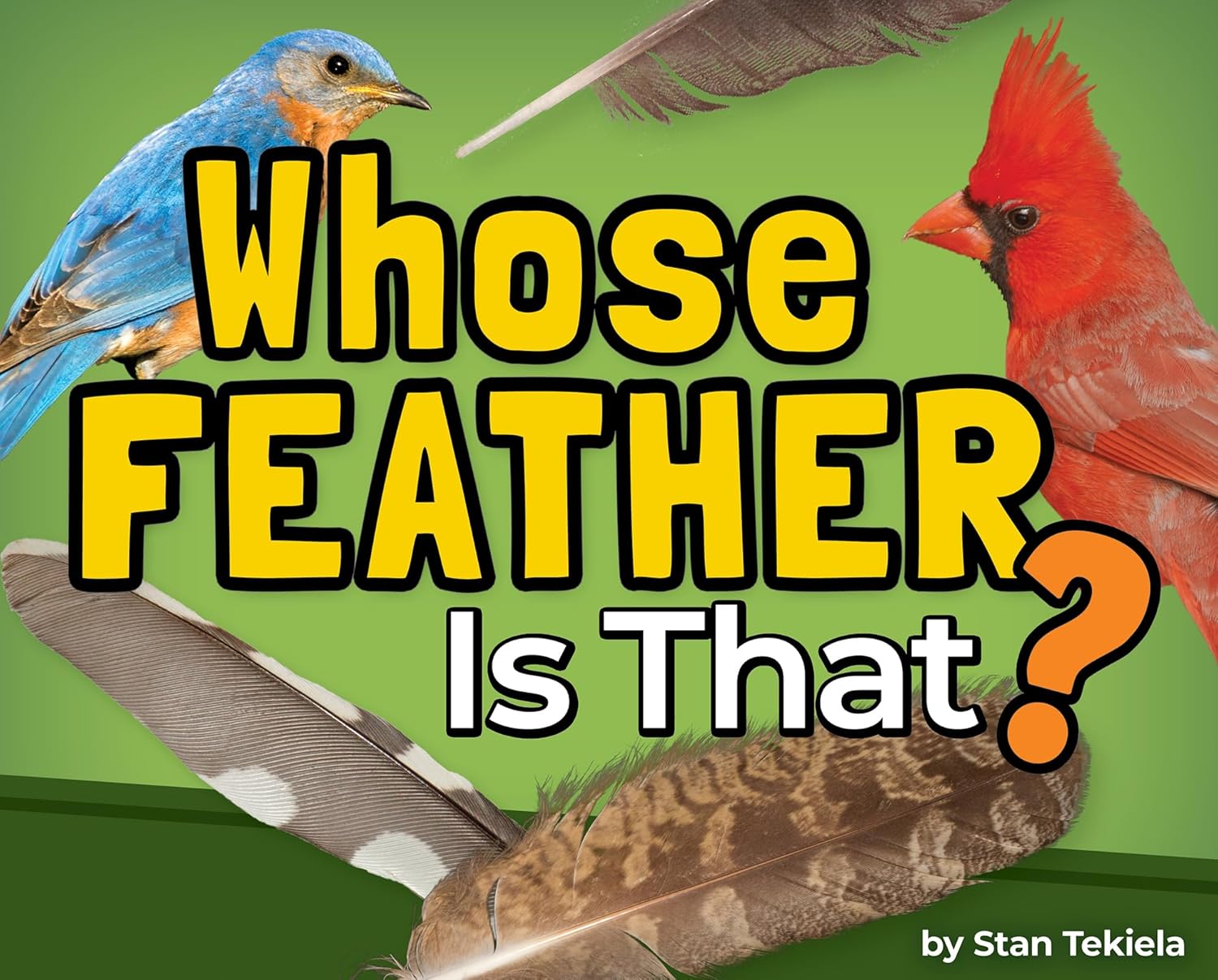
I discovered the non-fiction picture book, Whose feather is That?, on a recent visit to Chattahoochee Nature Center. “Written by award-winning author, nature photographer, and naturalist Stan Tekiela, this interactive children’s book presents a photograph of a feather, along with a clever clue about the bird to which it belongs.”

Related Posts

More About Feathers (literature links)

Duck feathers (lab)

Silent Flight

Oil Spill (lab)