June 6

Mollusks

Mollusks are invertebrates which means they have no bones. They are soft-bodied. There are three classifications:  cephalopods, gastropods, and bivalves. In the last post, I shared information about octopuses which are cephalopods. In this post, I will focus on bivalves and gastropods.

Bivalves and gastropods are born with shells. The shells grow with them. Shells are not actually homes but body parts. The mantle produces the shell from calcium carbonate.

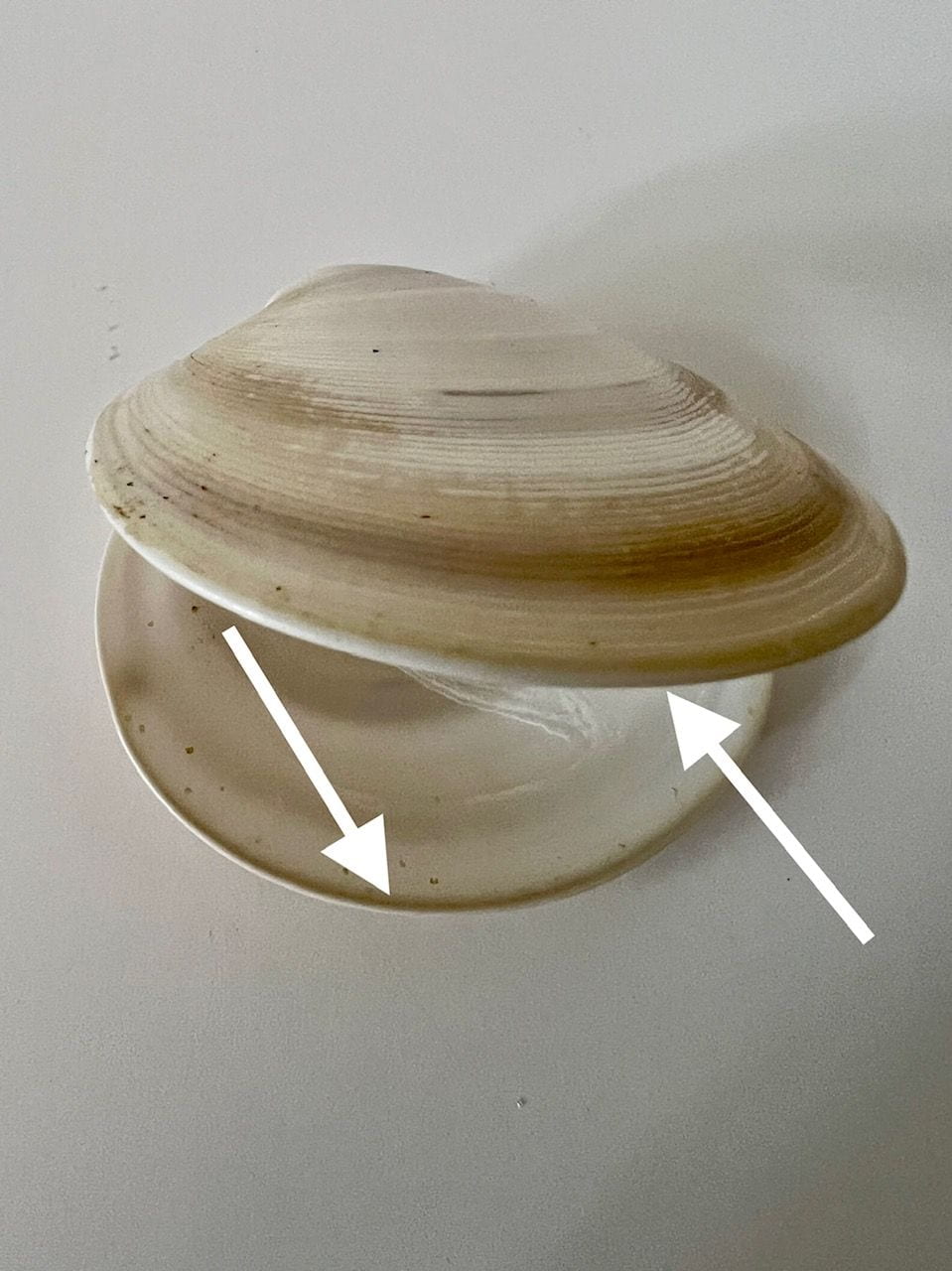
Bivalves, such as oysters, clams, scallops, and mussels, have two shells that are hinged together. The shells grow from the outer edges and both shells must grow at the same rate. They can open and close the shells as they move and eat.
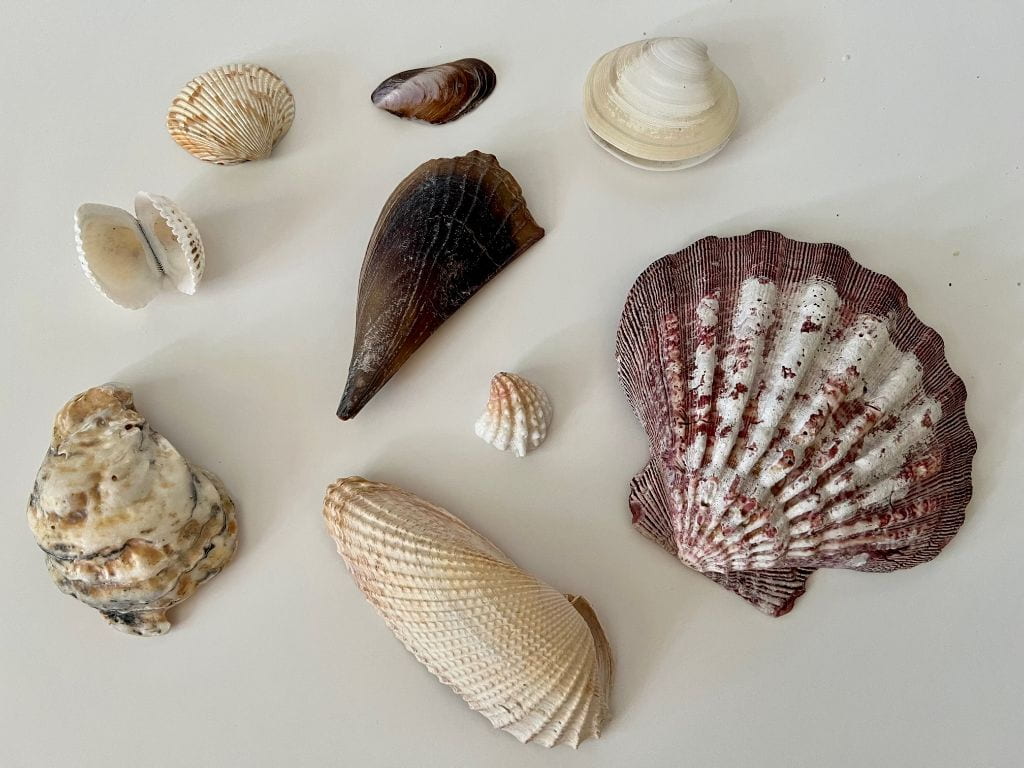
Look carefully, do you see the growth lines around the shell? It may remind you of growth rings on a trunk.
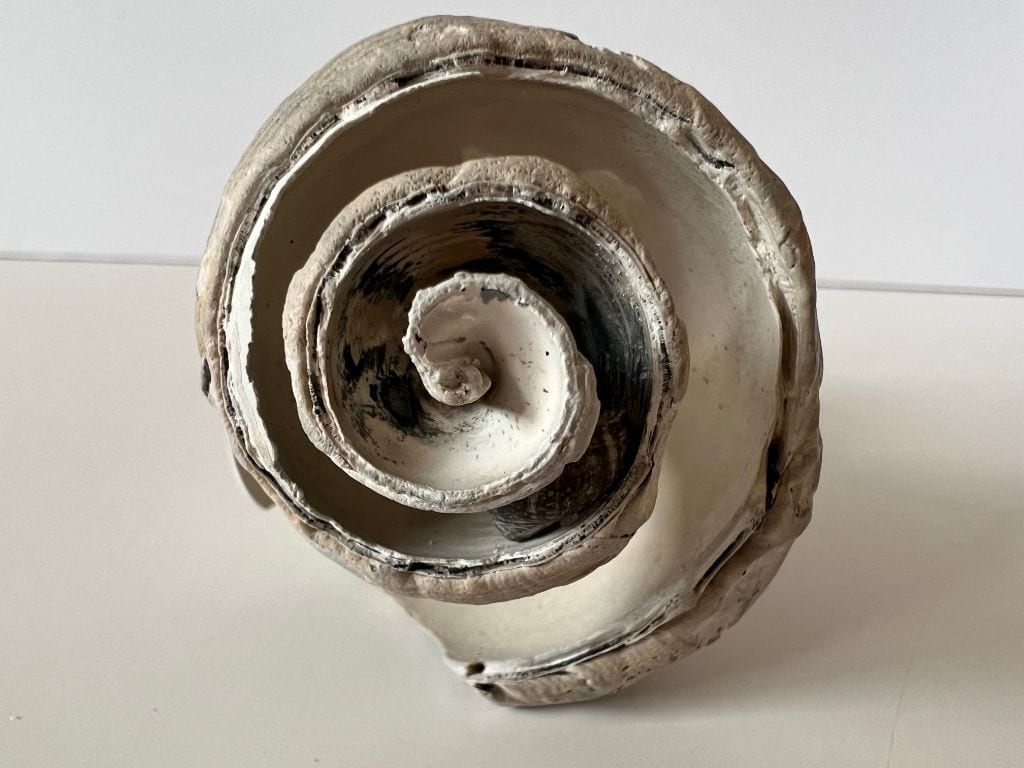
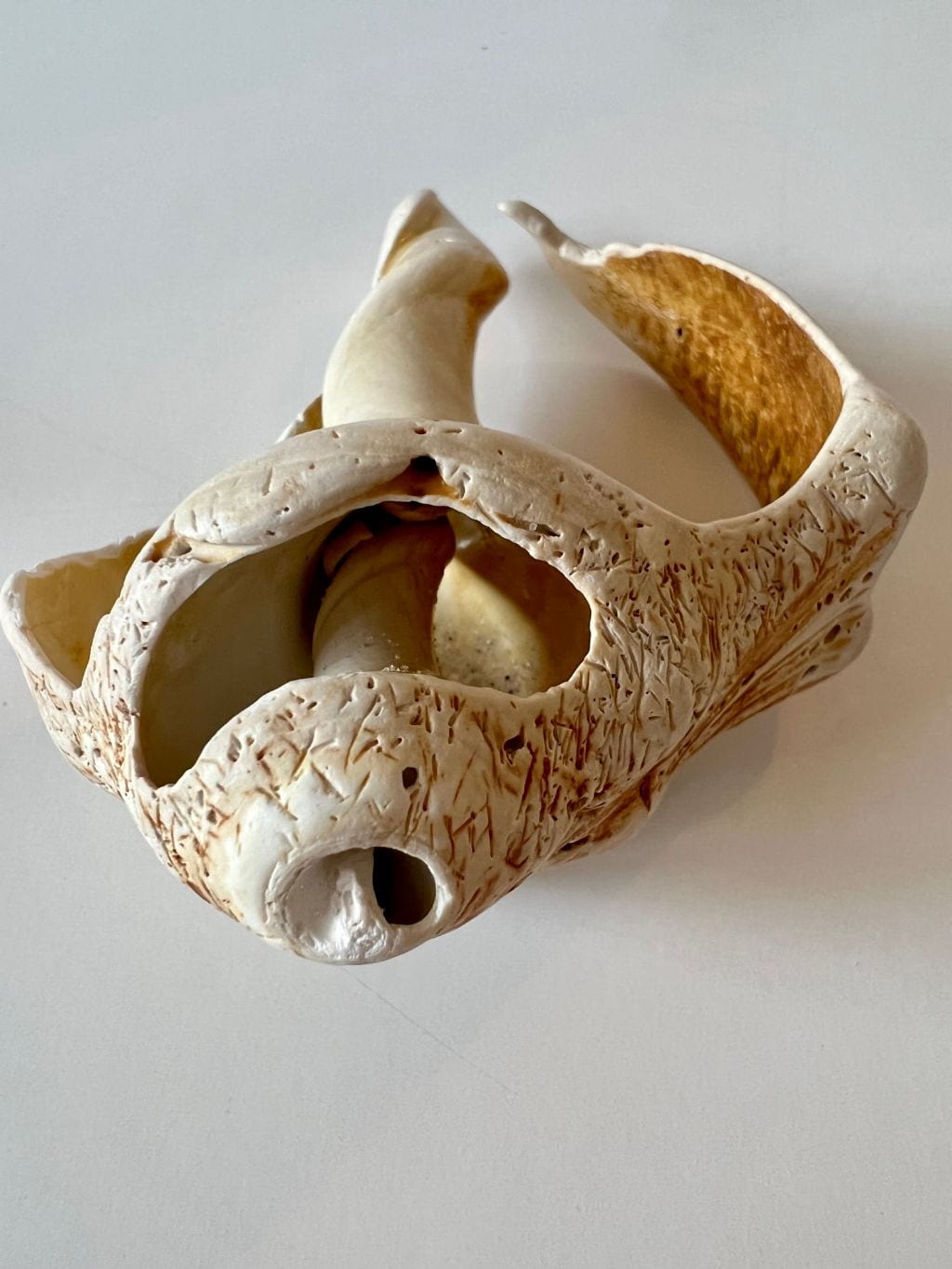
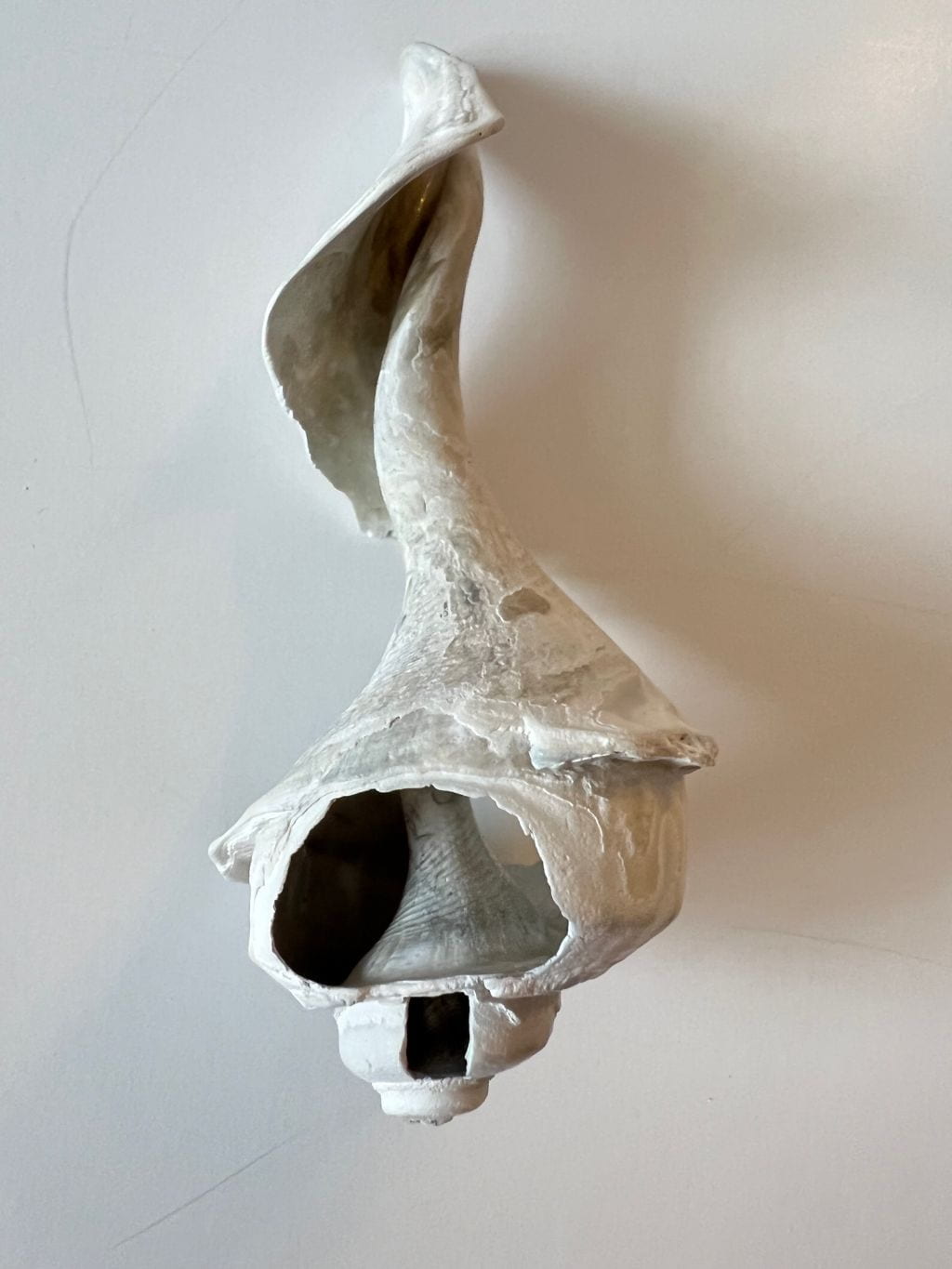
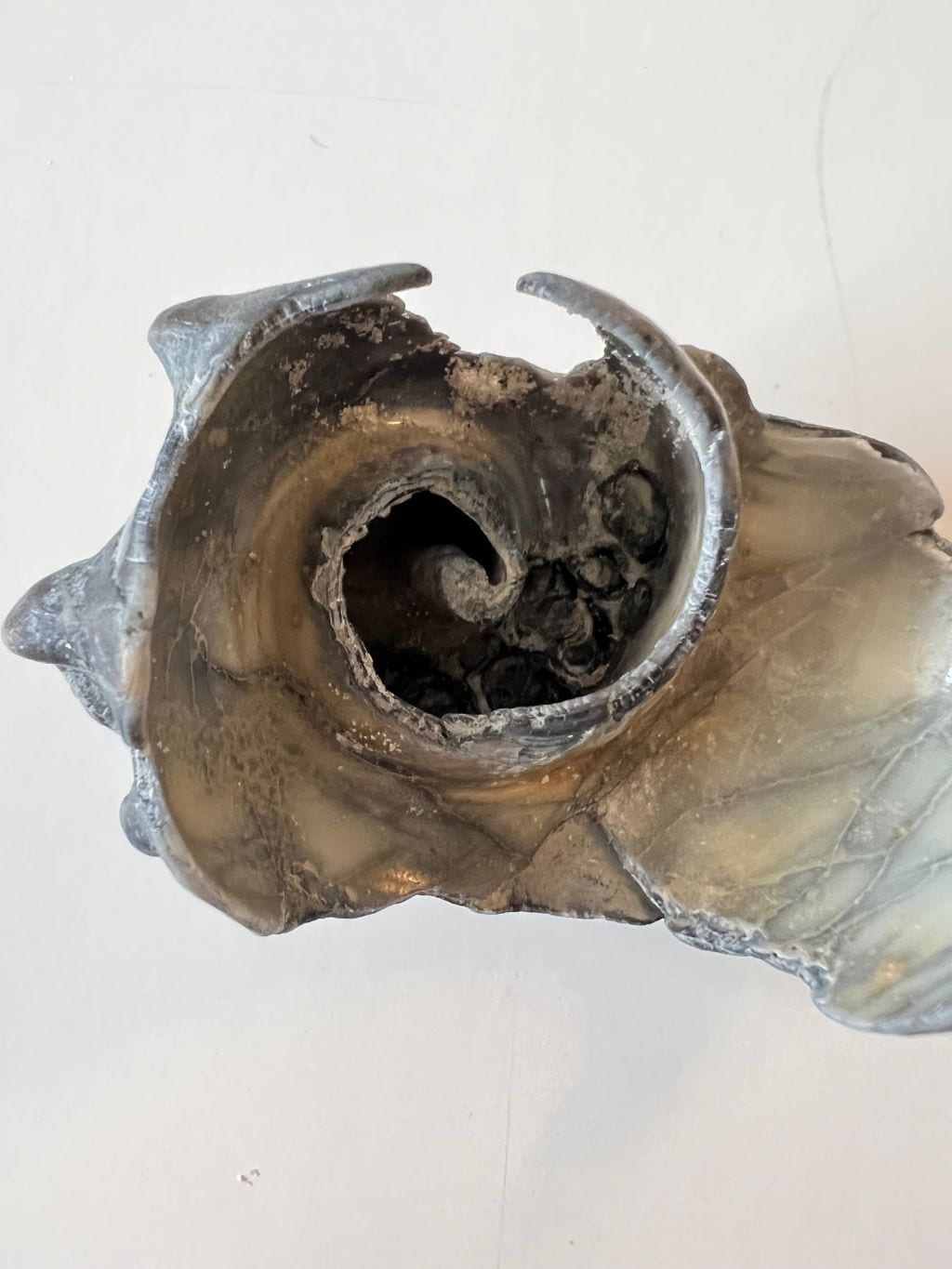
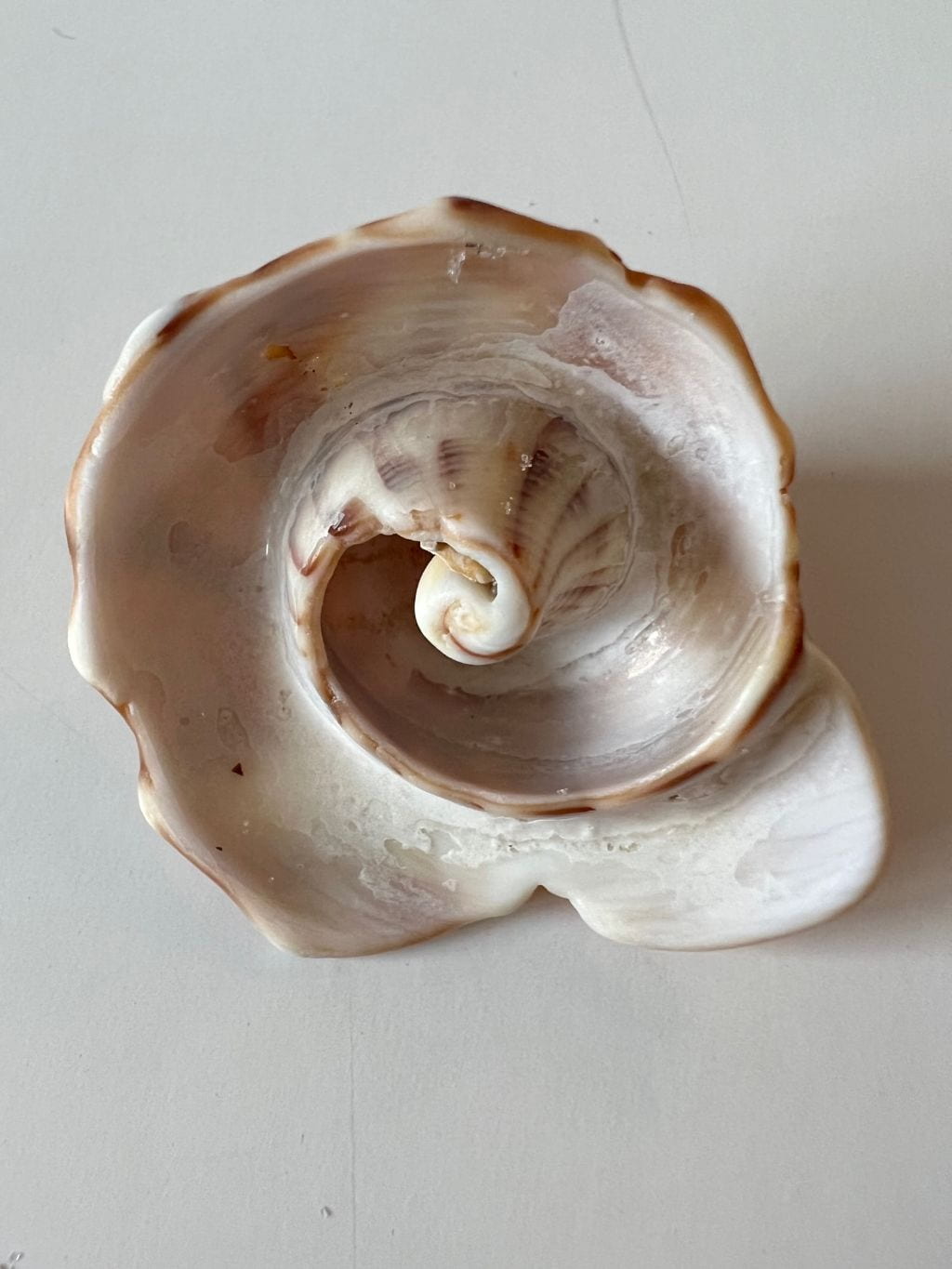
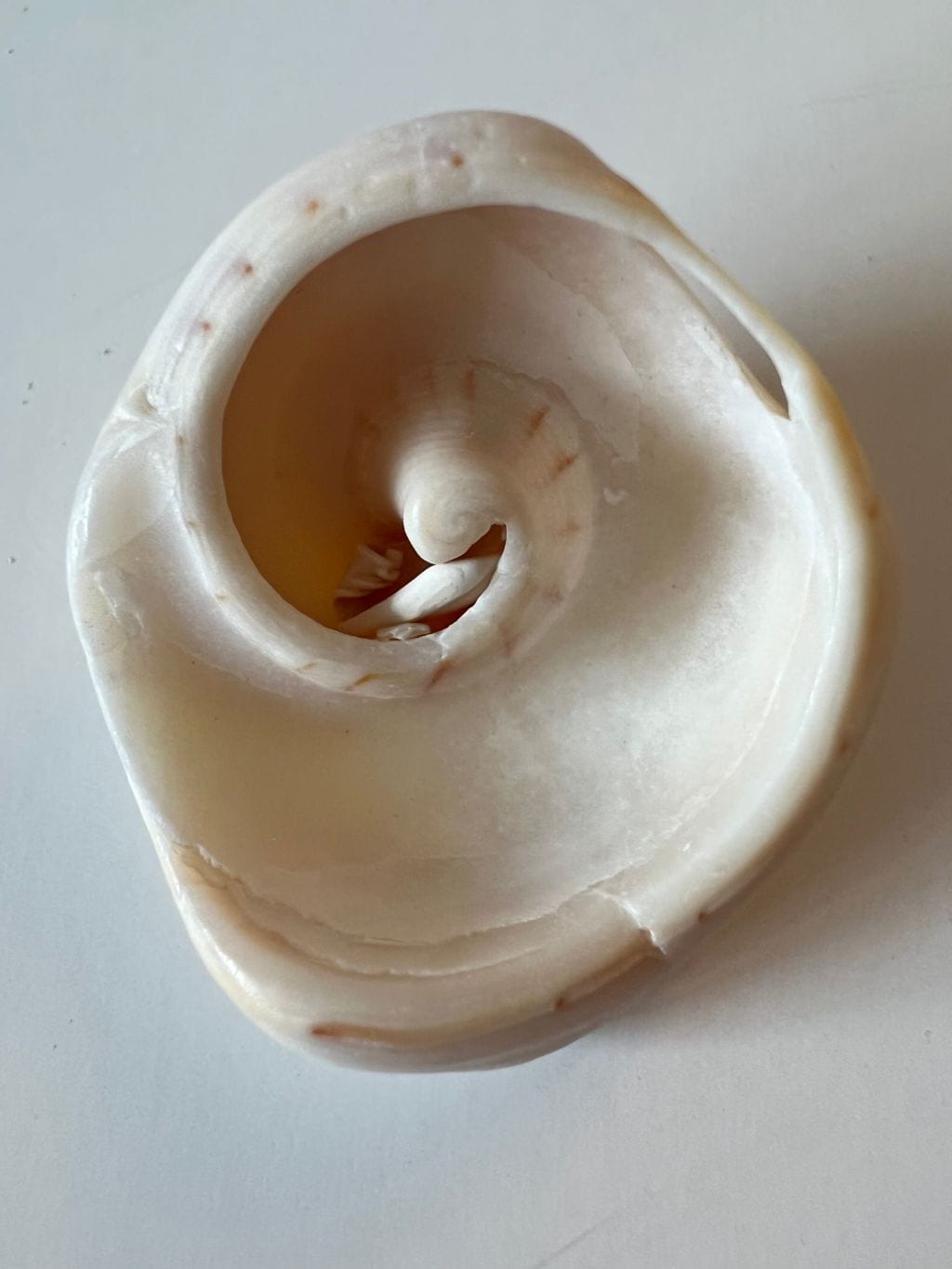
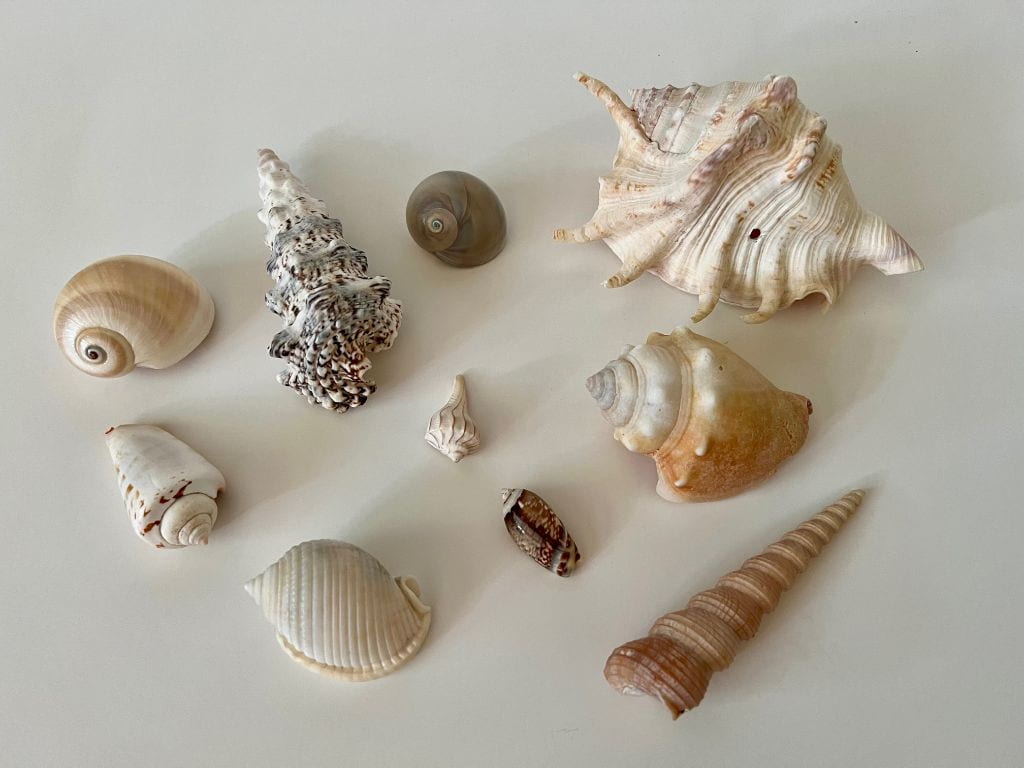
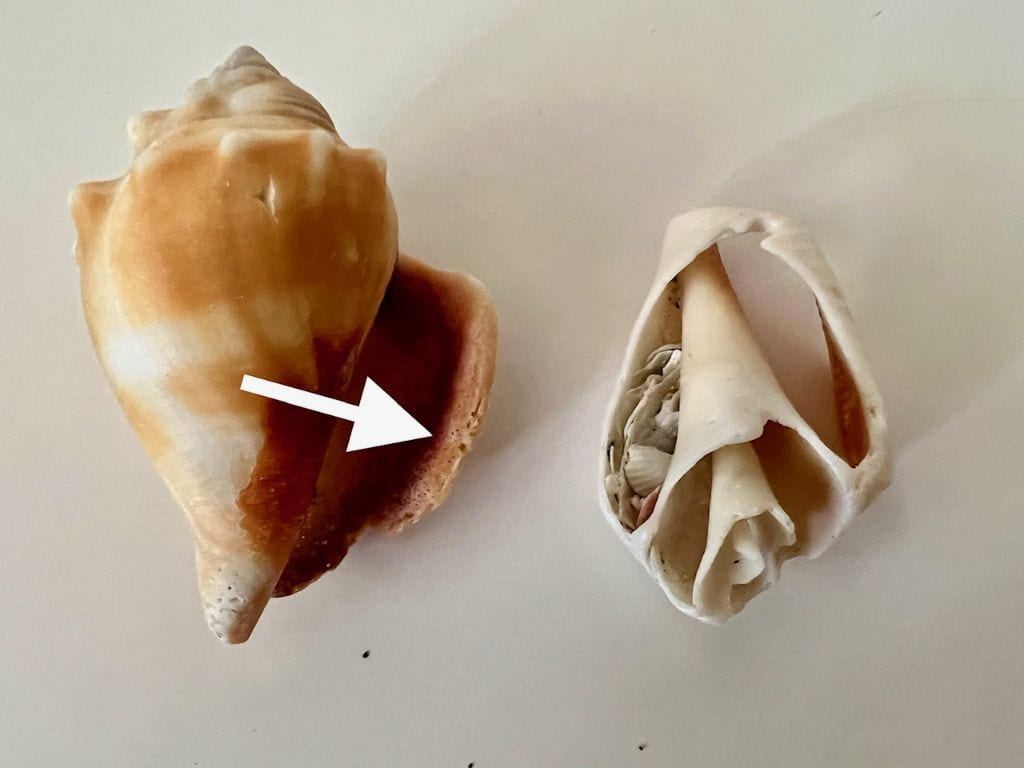
Gastropods, such as conch, snails, and whelks, live in a spiral shell. The spiral grows from the outside and wraps around the invertebrate as it grows.
Watch full screen.

Click here to watch full screen.

Watch full screen.

Classifying is an important skill. If you collect shells on a beach holiday, ask your child to sort them. They may choose their own categories which may include size, color, like kind, and texture, but then suggest that they group them into bivalves and gastropods.

Seashells by the Seashore is an engaging book to learn the names of common shells. I gave a bag of the shells to my scientists and as the characters discovered shells on the beach, my students picked up the matching shell. If you go to the beach, try to find these twelve shells. Watch full screen.

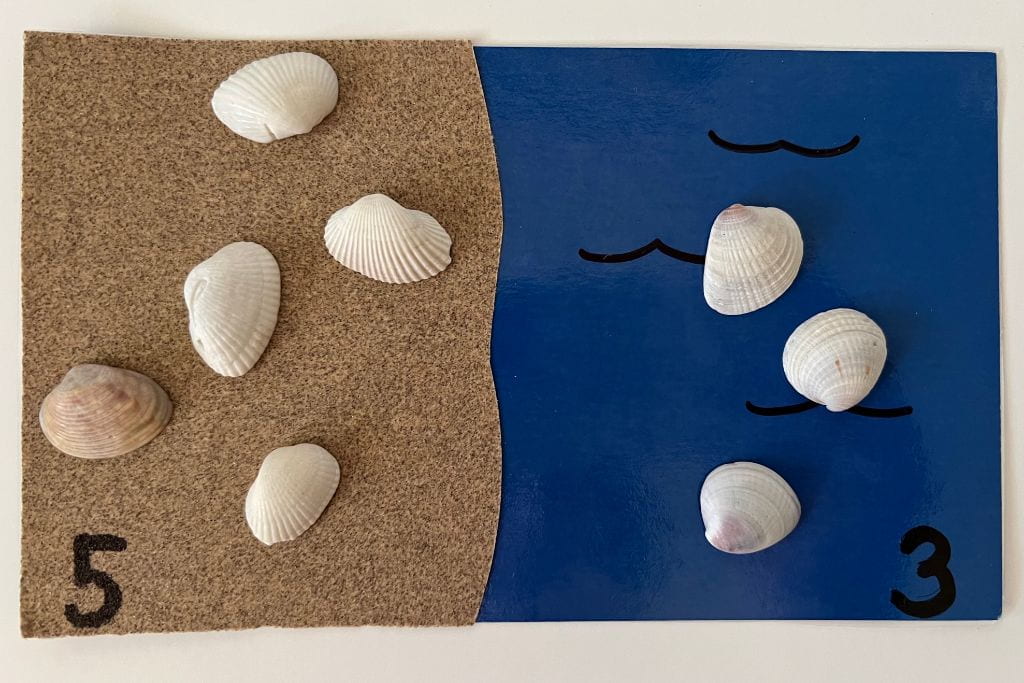
I made these years ago to integrate science and math for my youngest scientists. I used sandpaper to make the shore.
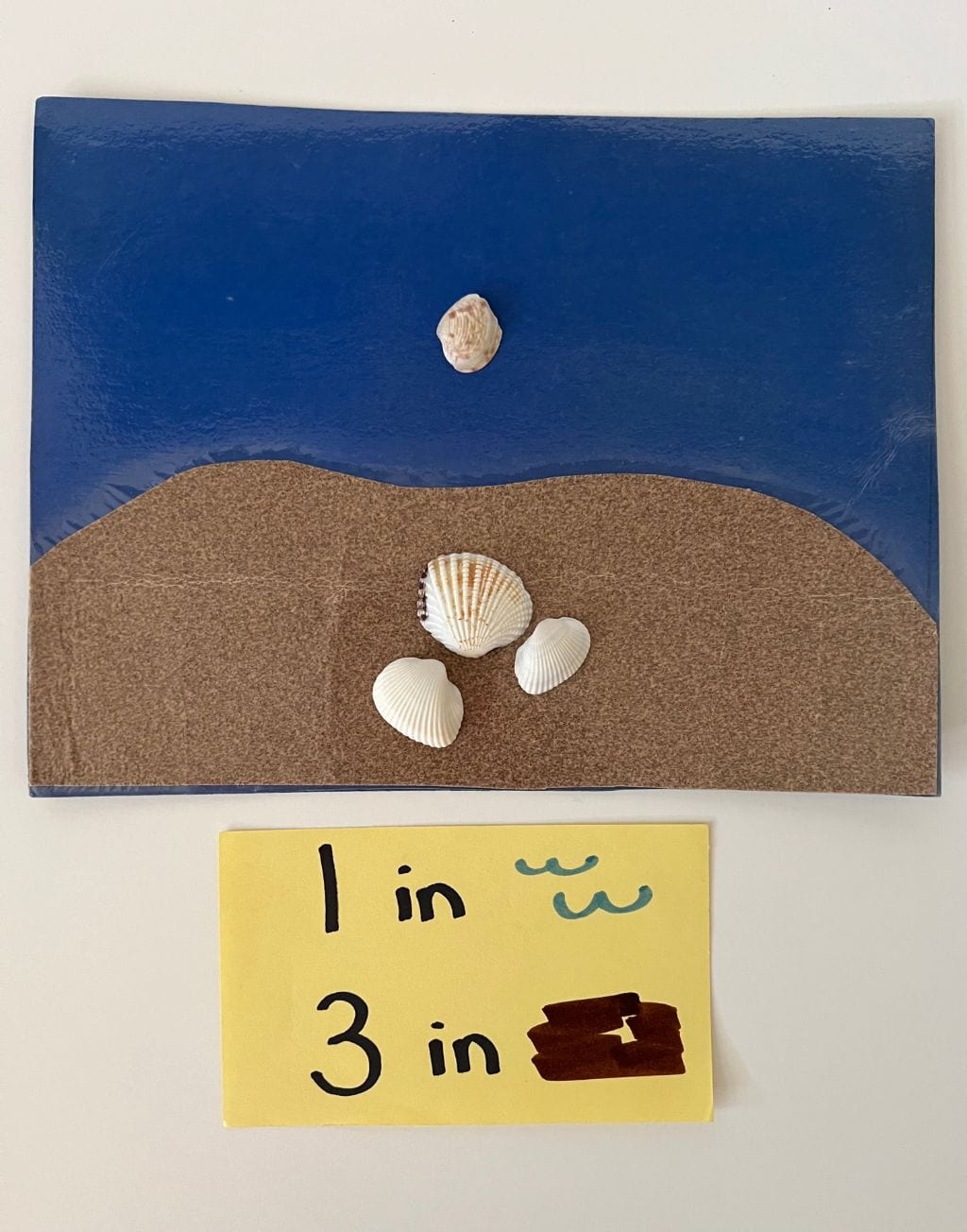
Click here and here for posts of past shell labs.

April 18

Inchworms – Math and Science

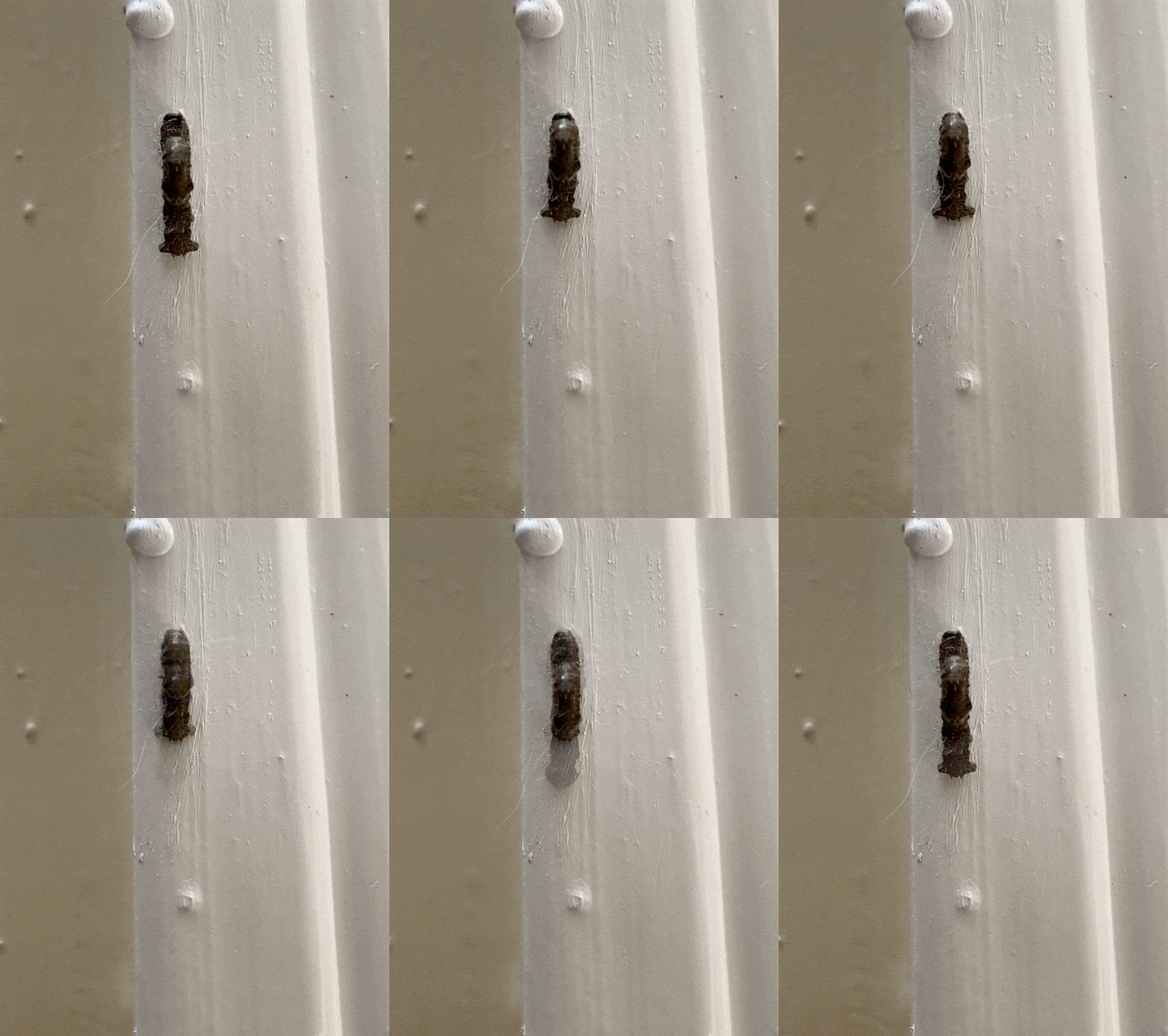
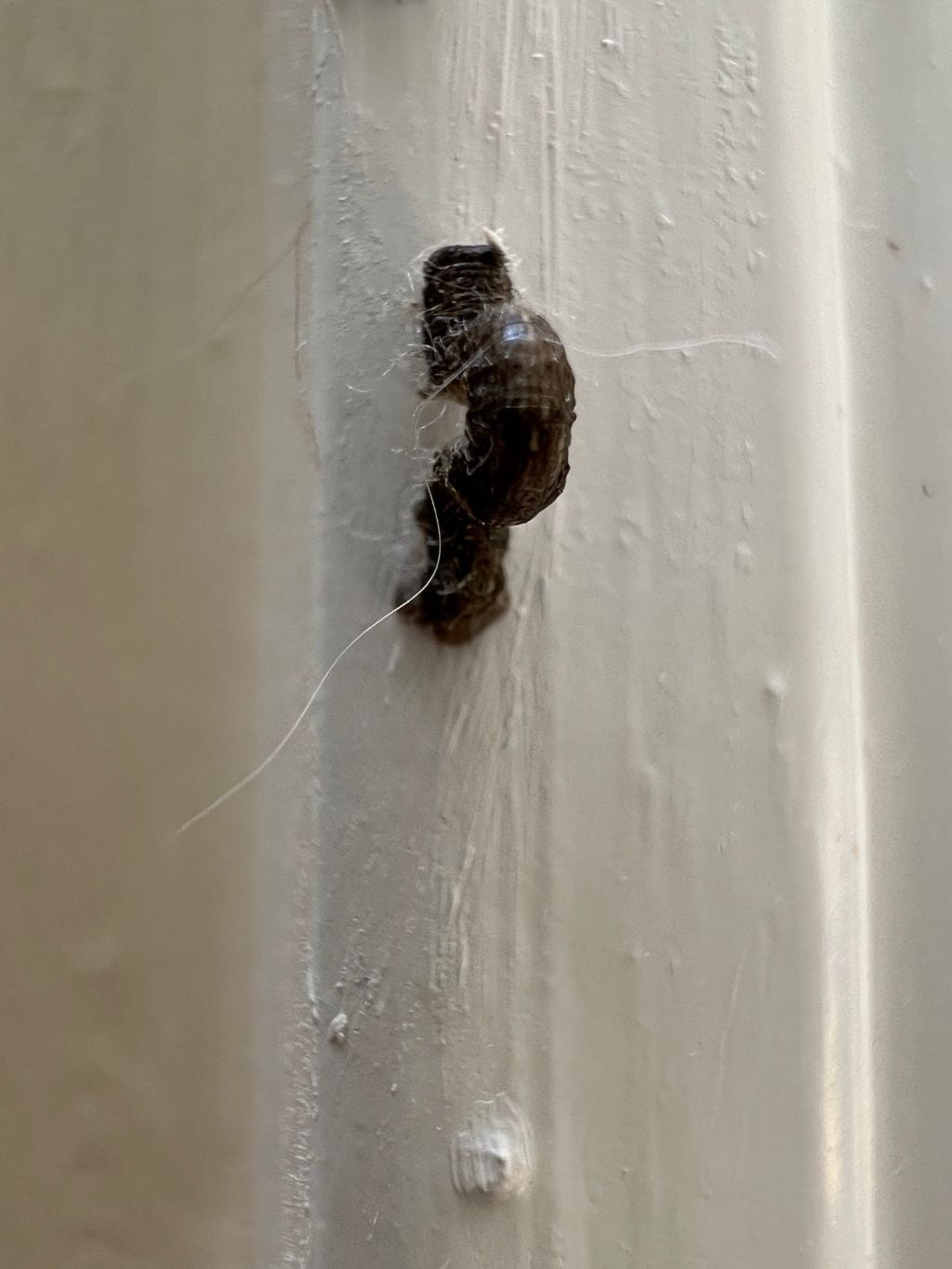
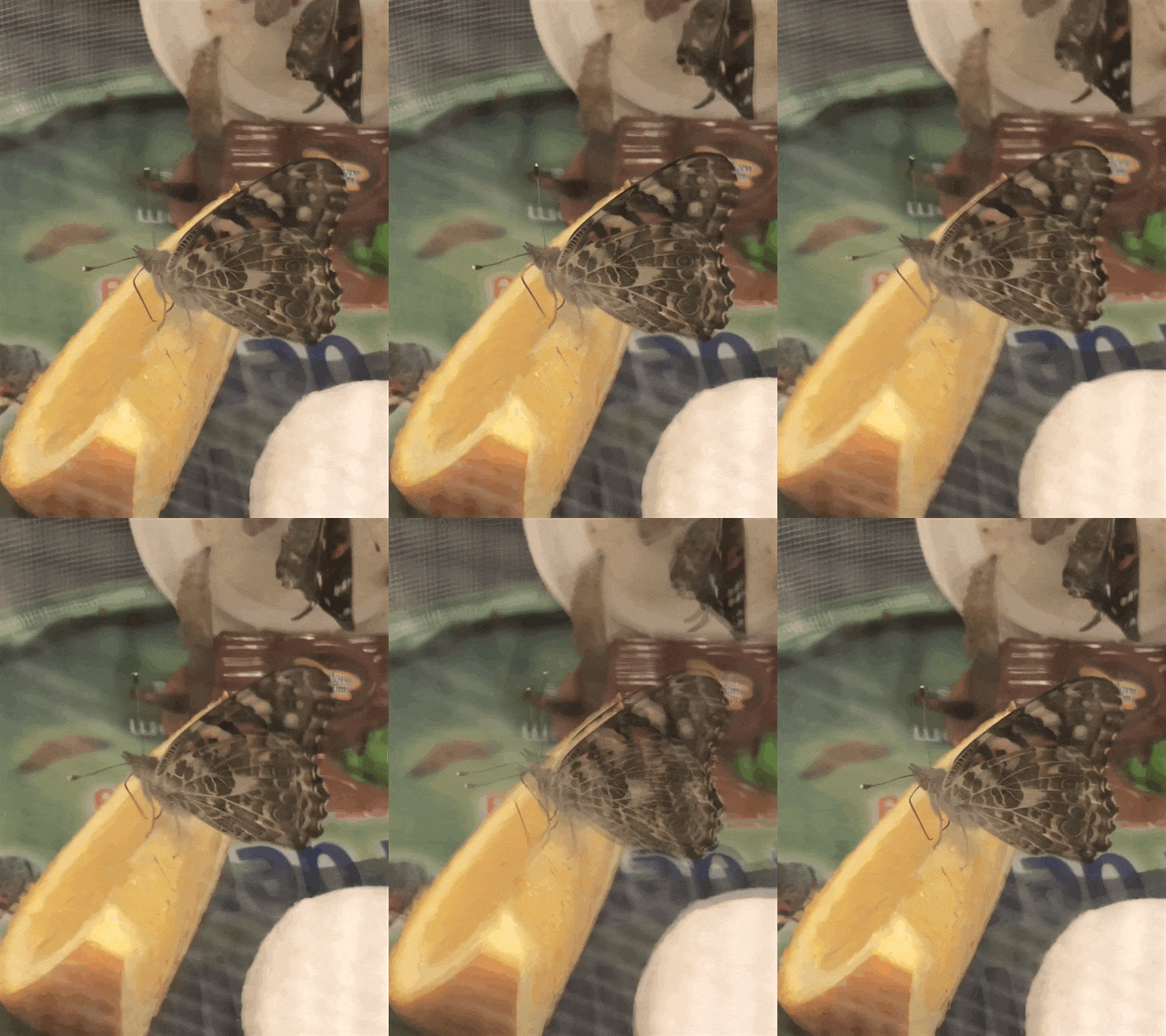
I discovered this inchworm climbing up my window frame. An inchworm isn’t a worm at all, but the larval stage or caterpillar of a geometer moth. All moths go through metamorphosis-egg, caterpillar (larva), pupa (cocoon), adult (moth). Inchworms are about an inch long and are commonly brown or green.

Do you see the six legs near its head? All insects have six legs. The inchworm’s name is derived from the way it arches to propel itself forward. Ask your children to move like an inchworm. Start in a plank, walk your feet toward your hands, and then walk your hands forward. Repeat.


Watch full screen.

Inch by Inch is an excellent book to teach beginning measurement skills. Cut green paper into inch strips (inchworms) and use them to measure items at home or in your classroom. Watch full screen.

Inchworm, performed by Danny Kaye in the movie Hans Christian Anderson, is a classic children’s song. Watch full screen.

April 12

Spirals

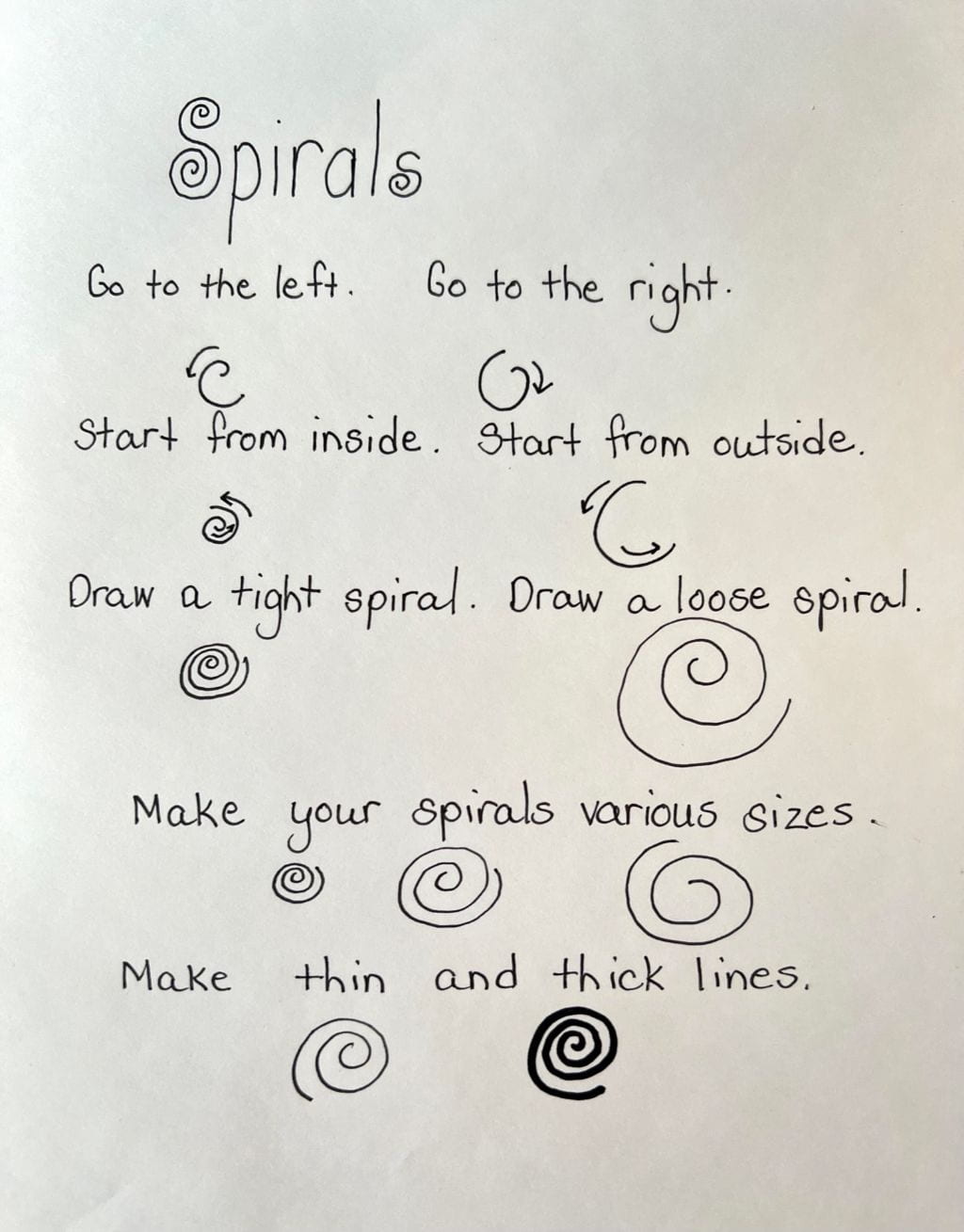
I believe in teaching with a multidisciplinary or cross-curricular approach (integrating subject areas) rather than teaching subjects in isolation. STEM also follows this methodology. I’ve found that students consequently reach a higher level of understanding, develop stronger connections, and see real-life applications. The following is an example of how standards can be chunked around a theme. In this case, it is the study of spirals.

How does the study of spirals connect with math? Watch full screen.

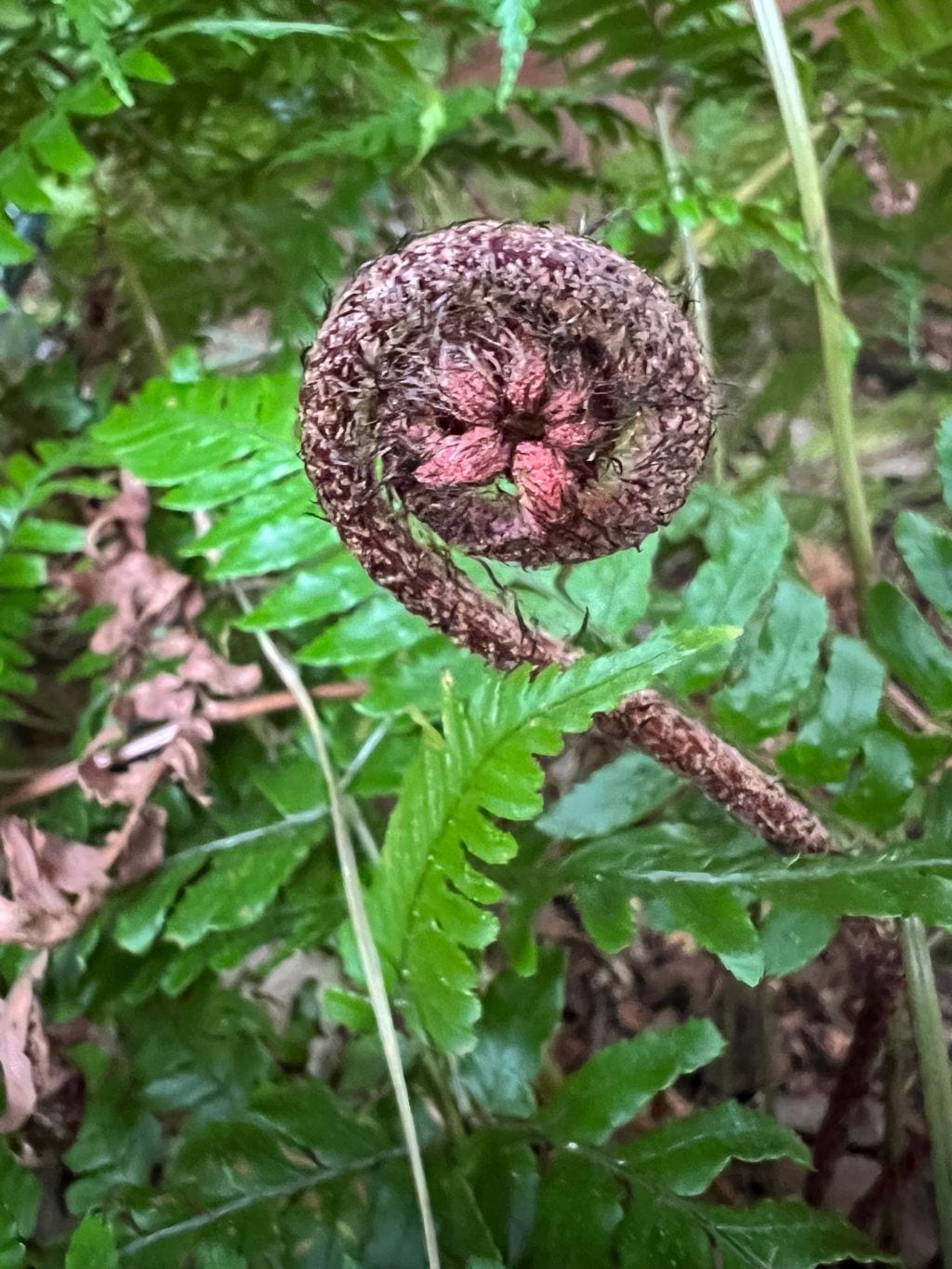
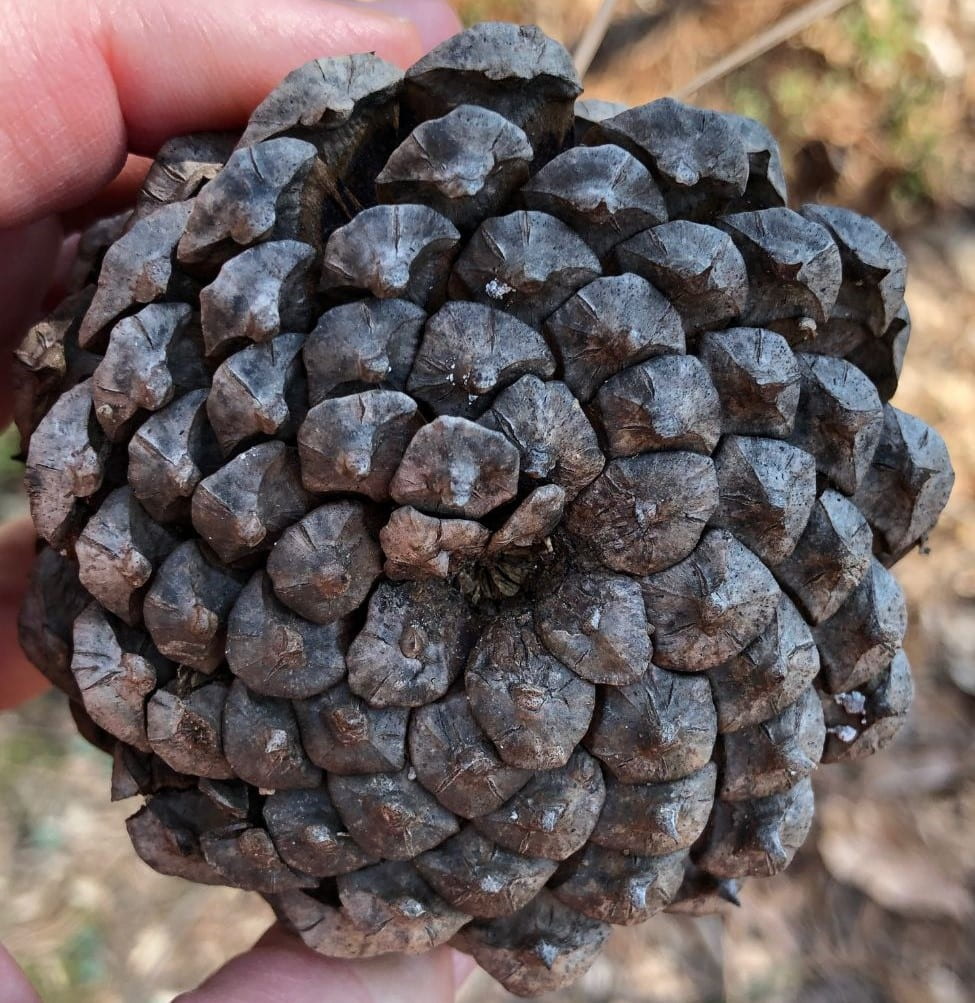
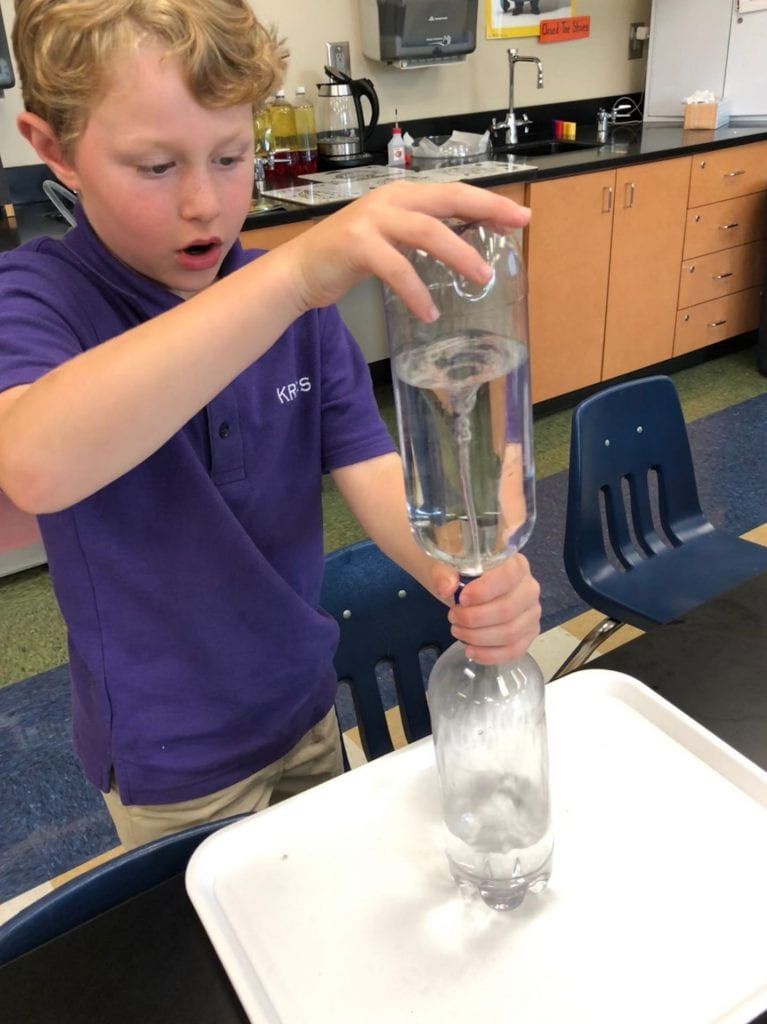
The following are previous labs that focused on spirals found in nature.

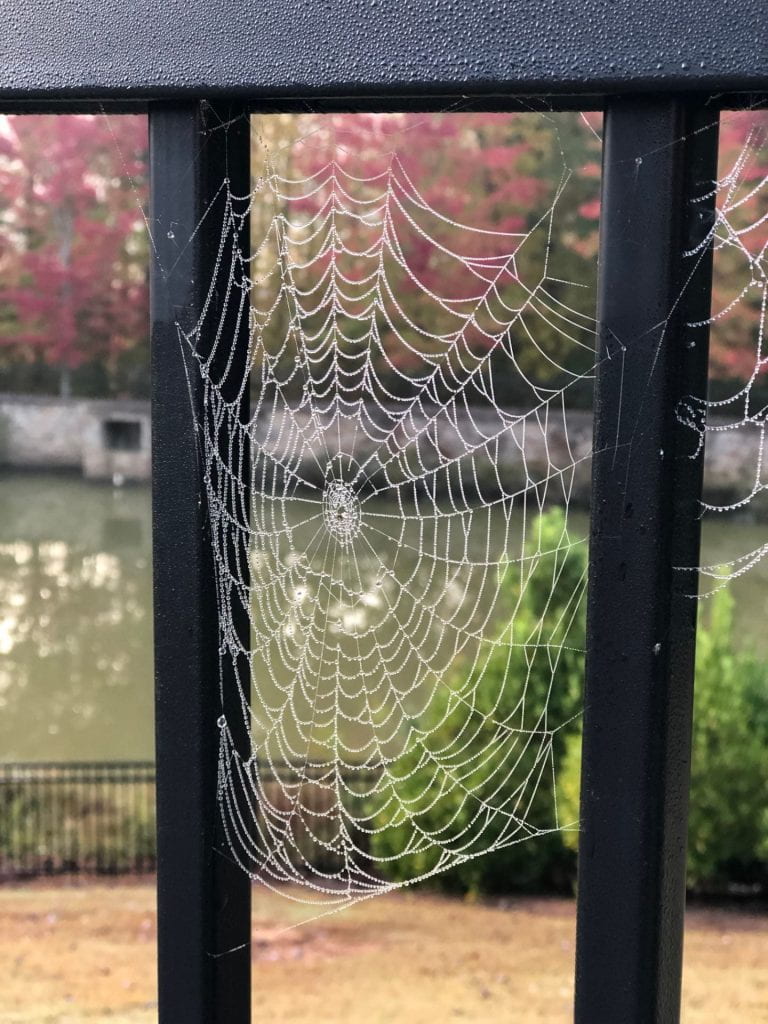
Click here to go to the spider lab.

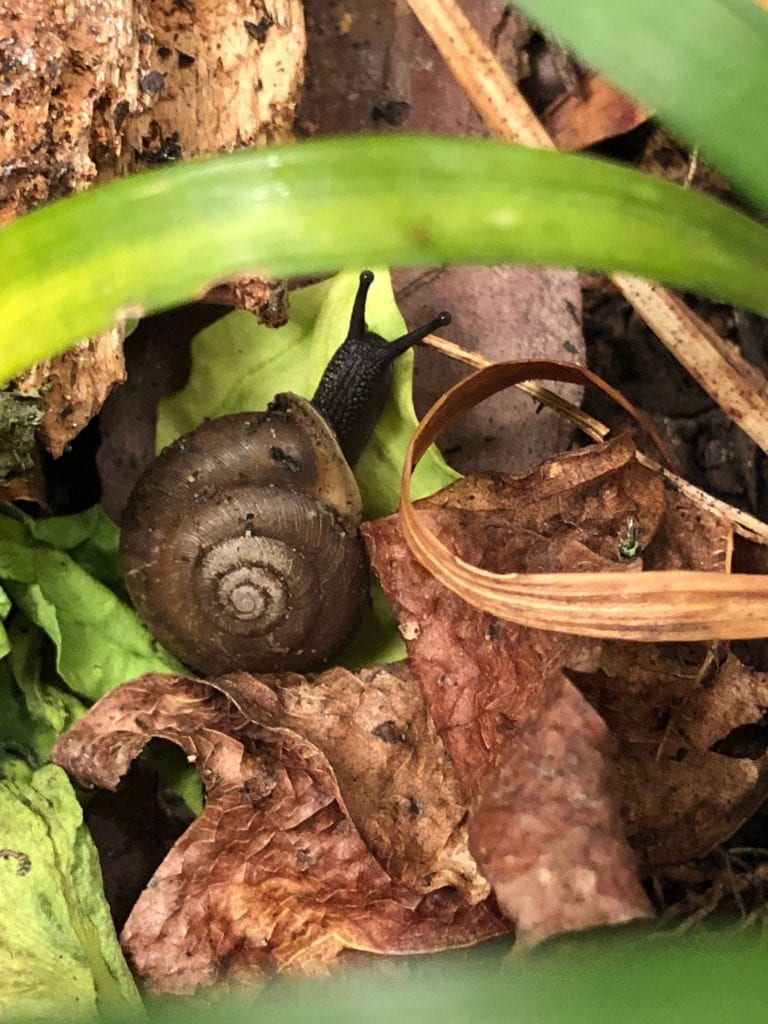
Click here to go to a lab about snails.

Click here to learn about a proboscis.

Learn more about ferns here.

Learn more about conifers here.
A vortex is spiral shaped. Click here to go to the lab.

Many shells are spiral shaped. Don’t pass by those broken shells!  Click here to go to a lab about shells.


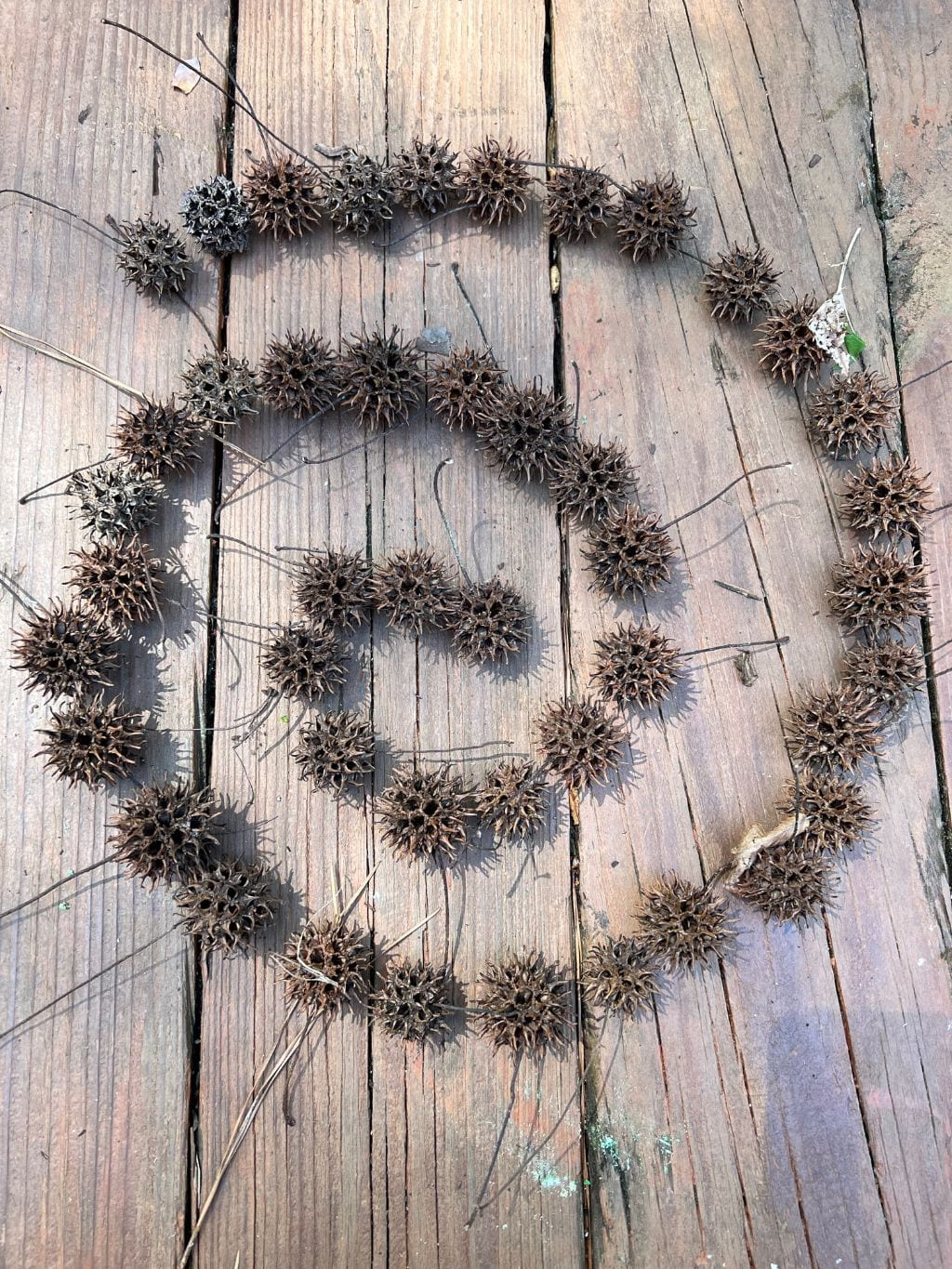
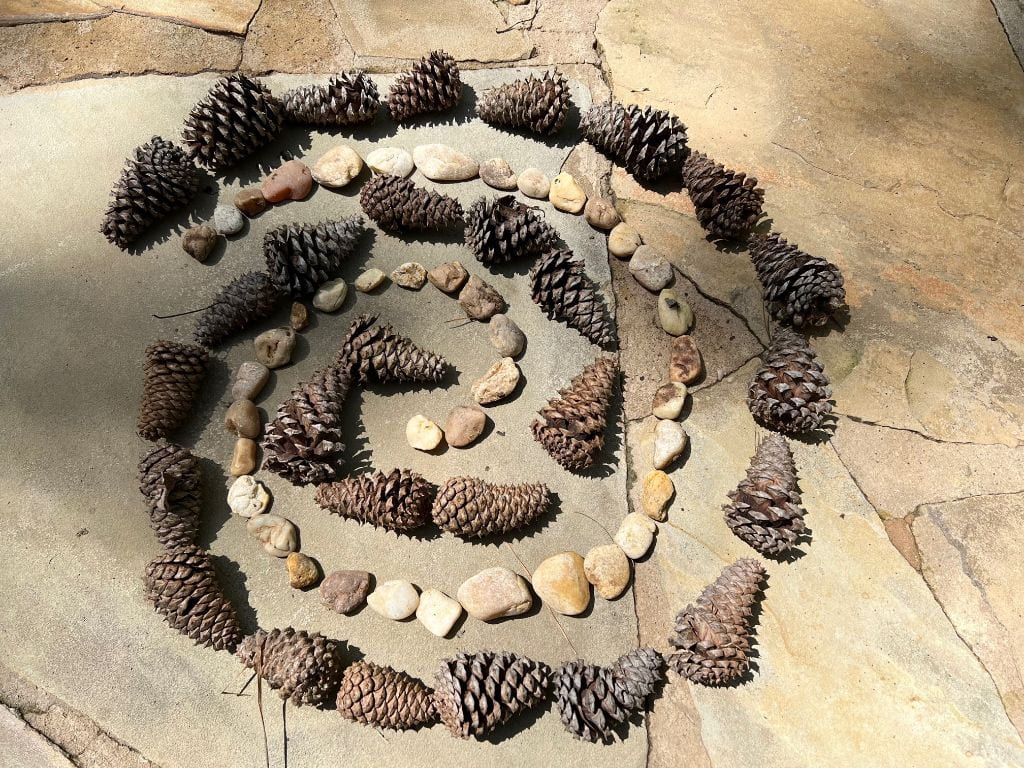
Use loose parts you find to form spirals. Create spirals with patterns too. When you visit the beach, arrange shells and driftwood into spirals.

Turn spirals into snails or snakes.


From the Artful Parent

Doodle with spirals. Use this activity to teach the elements of design, such as line and space. Make large spirals with chalk outside on concrete sidewalks or driveways.

Cut paper into strips of various widths and lengths. Roll them around a cylinder, like a pencil, and place them inside a box with shallow sides. This would make a simple collaborative project, and it is a fun way to strengthen hand muscles.

If you have any additional ideas, please leave them in the comments section.

January 31

In Honor of 2.2.22

It’s almost 2.2.22! (Hope you wear a tutu!) Enjoy the Veggie Tale song, Come in Twos, full screen.

LYRICS
The best things in life come in twos
Like salt goes with pepper
And carrots with peas
A sock with its mate
Macaroni and cheese
A cup and a saucer
A pair of shoes
The best things in life come in twos
Its cookies with milk
And ham with eggs
Two birds of a feather
Your arms and your legs
It’s making “wes” out of “mes” and “yous”
The best things in life come in twos
The best things in life come in twos Two o o o o o s
Try to add another verse. My new lines are:  a hamburger with fries, and glasses with eyes

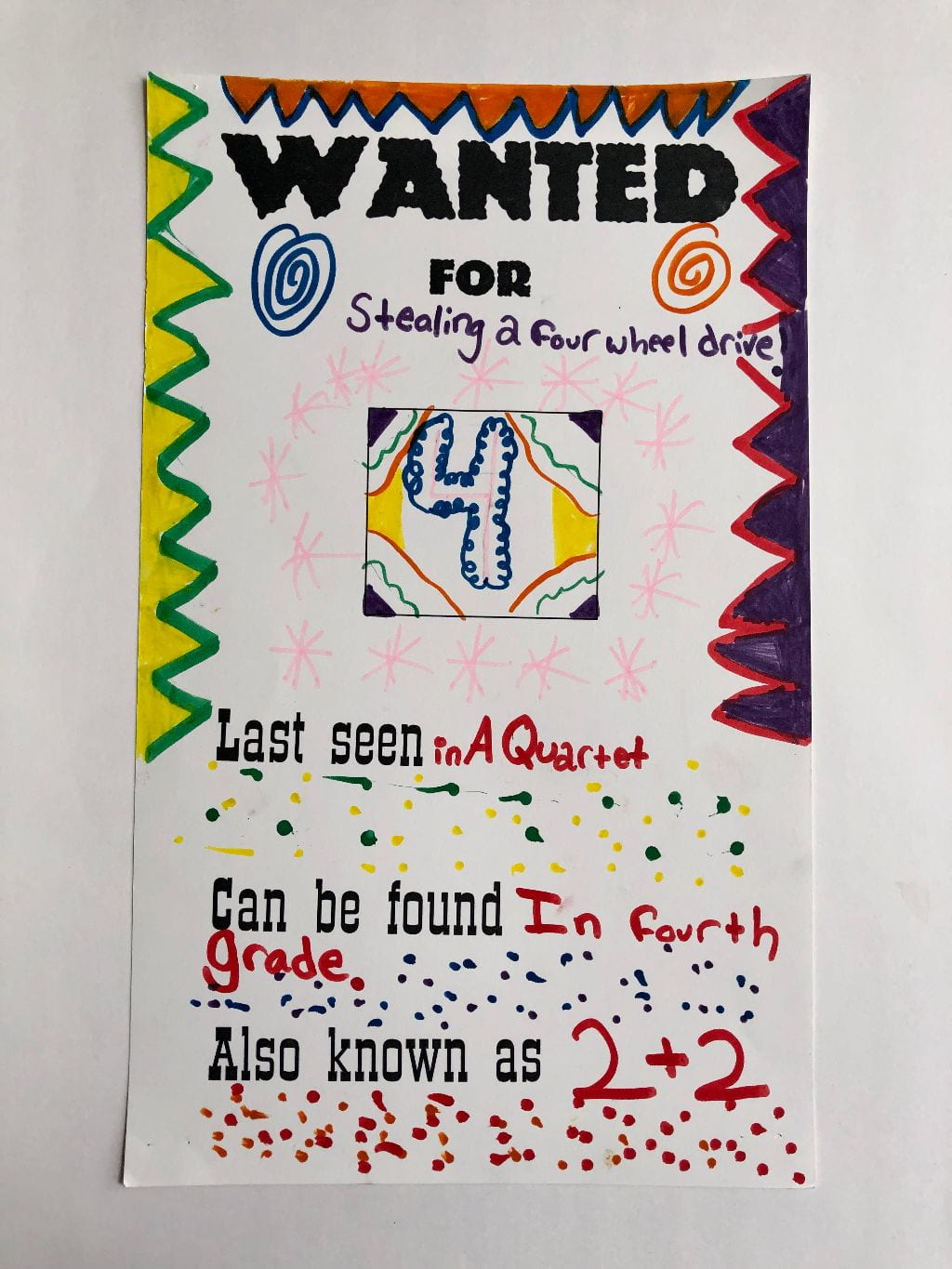
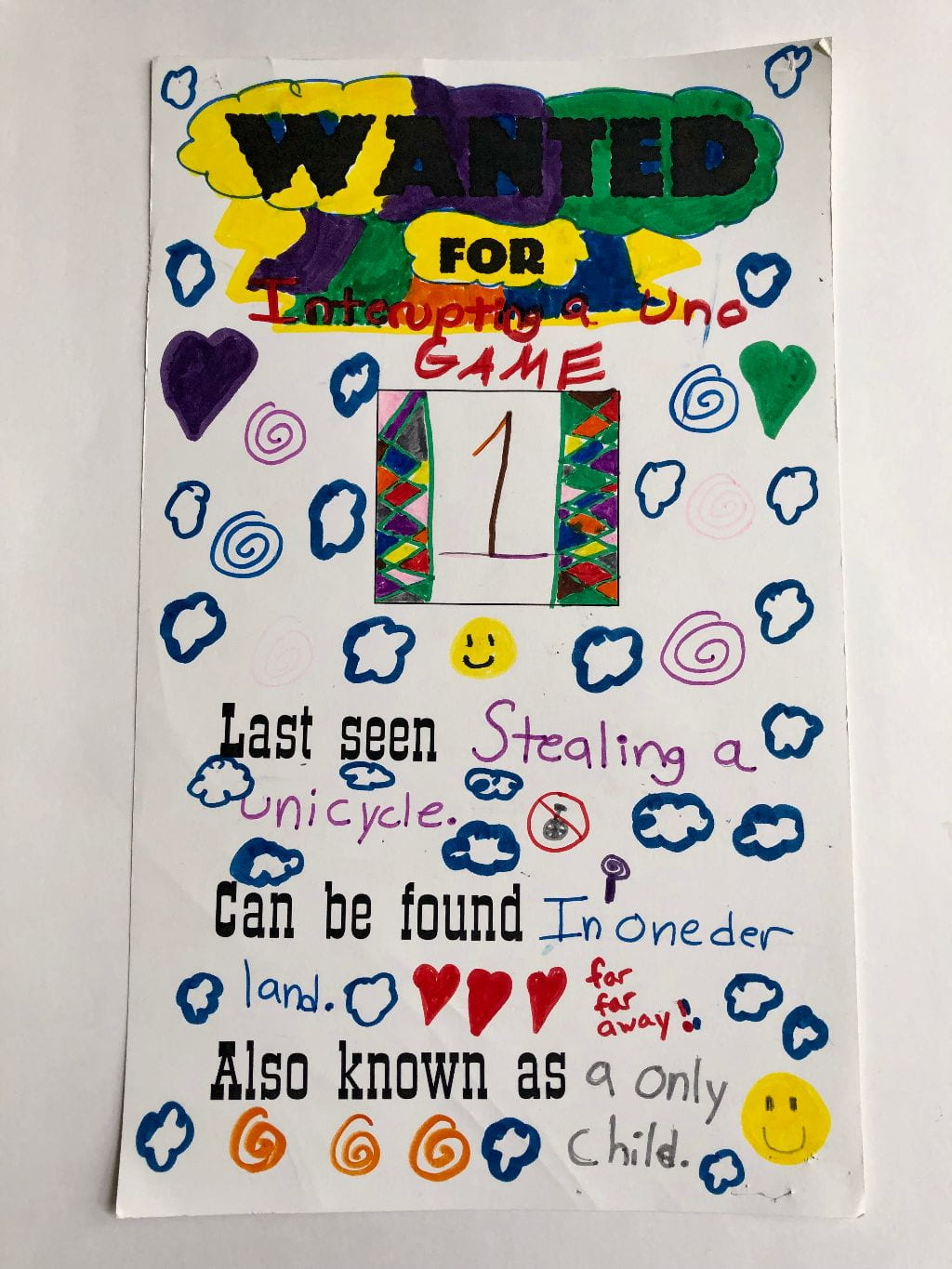
The following activity is a fun and creative way to make a connection between math and language on this unique date. Create a class poster about the number 2 on an anchor chart with multiple answers to the sentence starters below or let your students choose a number and design their own number signs.

First brainstorm words, phrases, or expressions that are associated with each number. For example:

One – Uno, single, unicycle, solo, only child, one of a kind, penny, one in a million, all in one piece, one and only, one of those days

Two – double, tutu, pair, twins, duo, twice, bicycle built for two,

Ten – decade, dime, decimeter, decagon, Tennessee, tennis

The pictures below were made by my students almost twenty years ago!

Note: ‘Also known as’ could be a math expression. For example, four could be known as 2+2, 1/3 of 12, or 8/2.

Reading the entertaining story, 7 Ate 9, would be a perfect way to begin or end this lesson. Humorous puns about numbers fill the pages.

Watch full screen.

If you miss 2.2.22, there’s always 2.22.22!

Two are better than one, because they can help each other in everything they do.
Ecclesiastes 4:9 NIRV

Related Post

Doubles

January 27

Great BACKYARD Bird Count

The Backyard Bird Count is scheduled for February 18-22. This is an easy and fun citizen science project for all ages! I have it on my calendar.

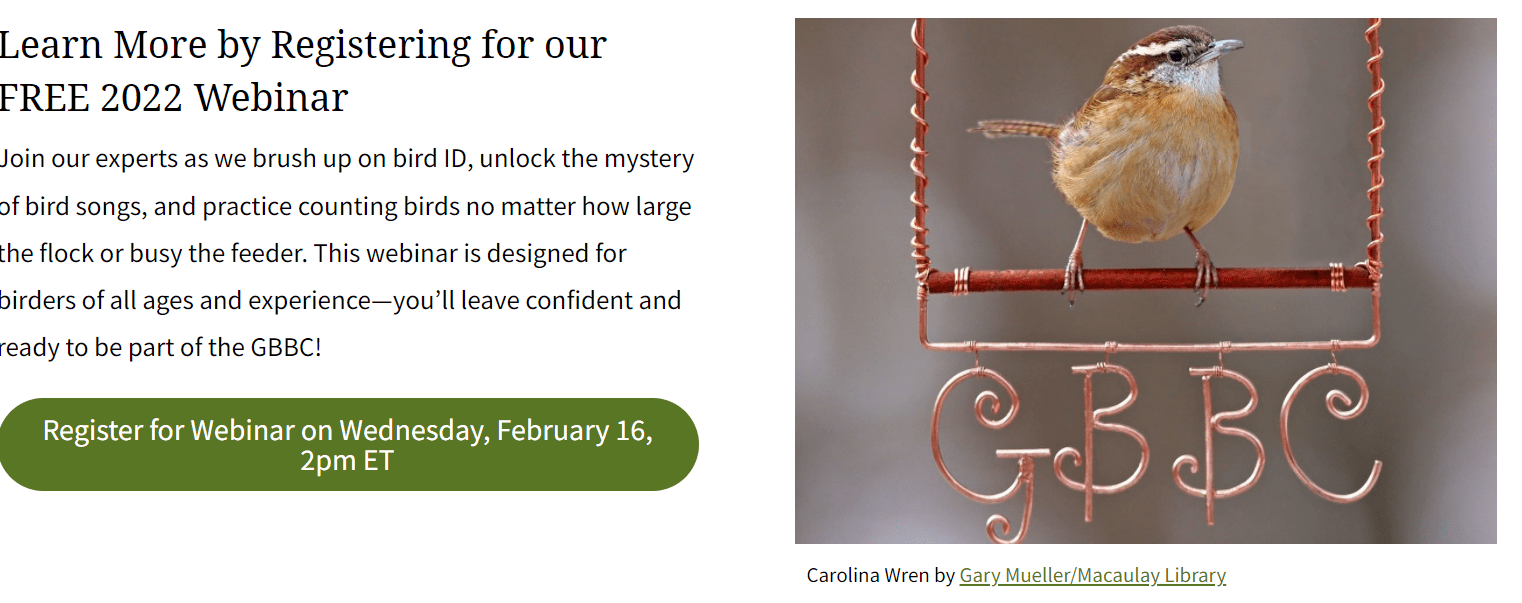
Click here to learn all about the Backyard Bird Count. There is information about a free webinar too.

From their site: (The link in this photo is not active.) Step 1 – Decide where you will watch birds.

Step 2 – Watch birds for 15 minutes or more, at least once over the four days, February 18-21, 2022.

Step 3 – Count all the birds you see or hear within your planned time/location and use the best tool for sharing your bird sightings.

January 20

Snow Experiment

A Simple Investigation:

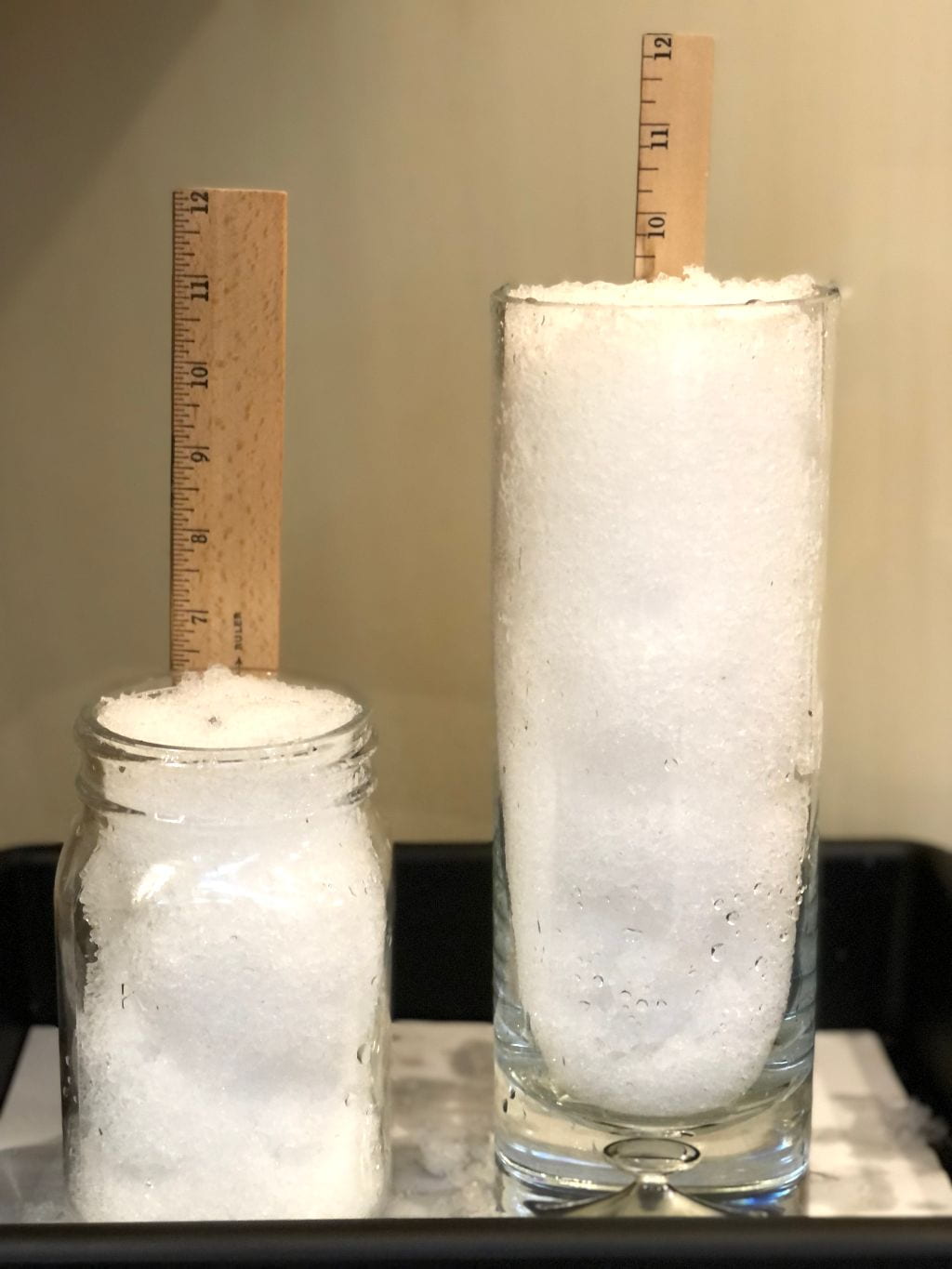
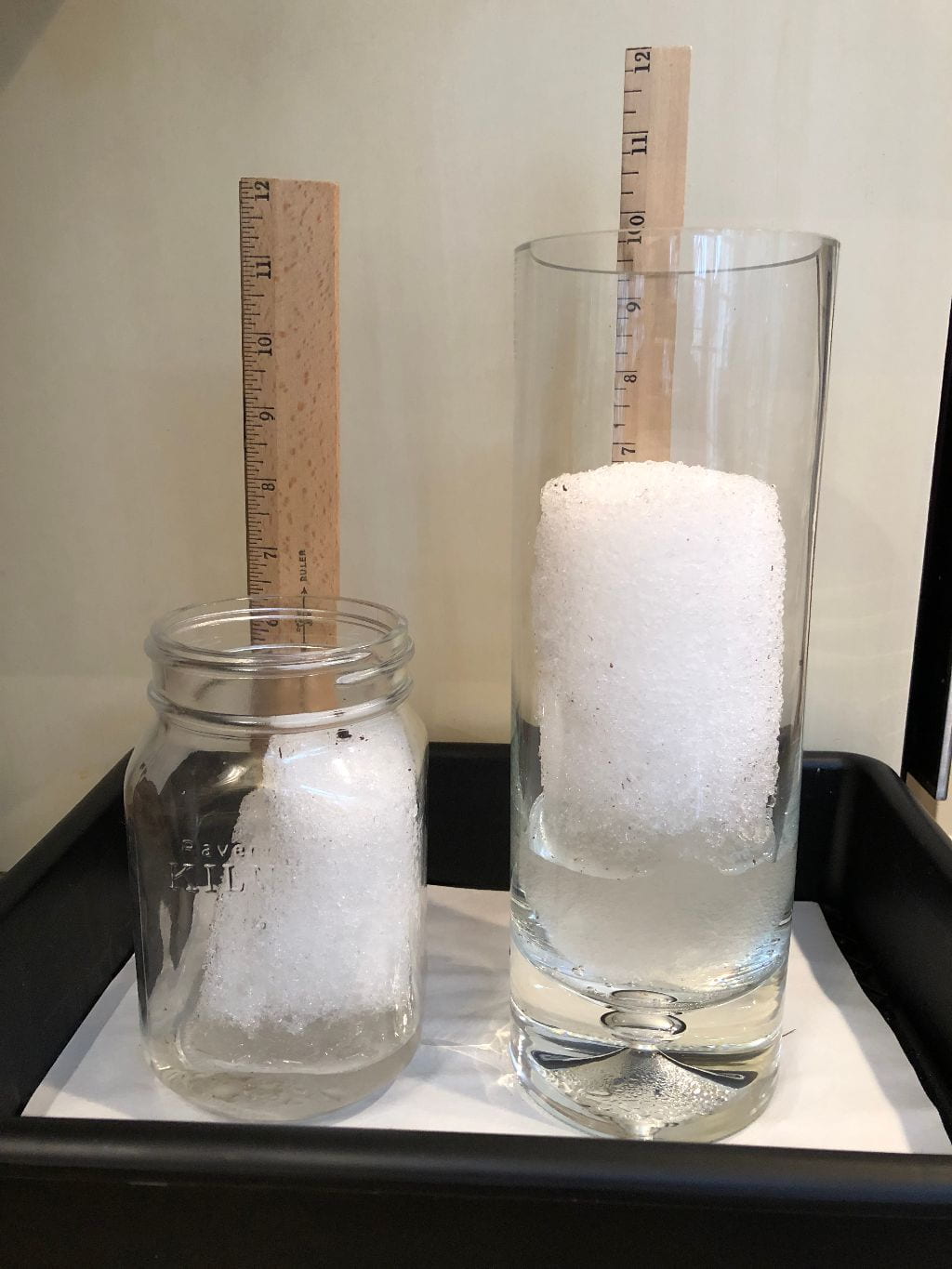
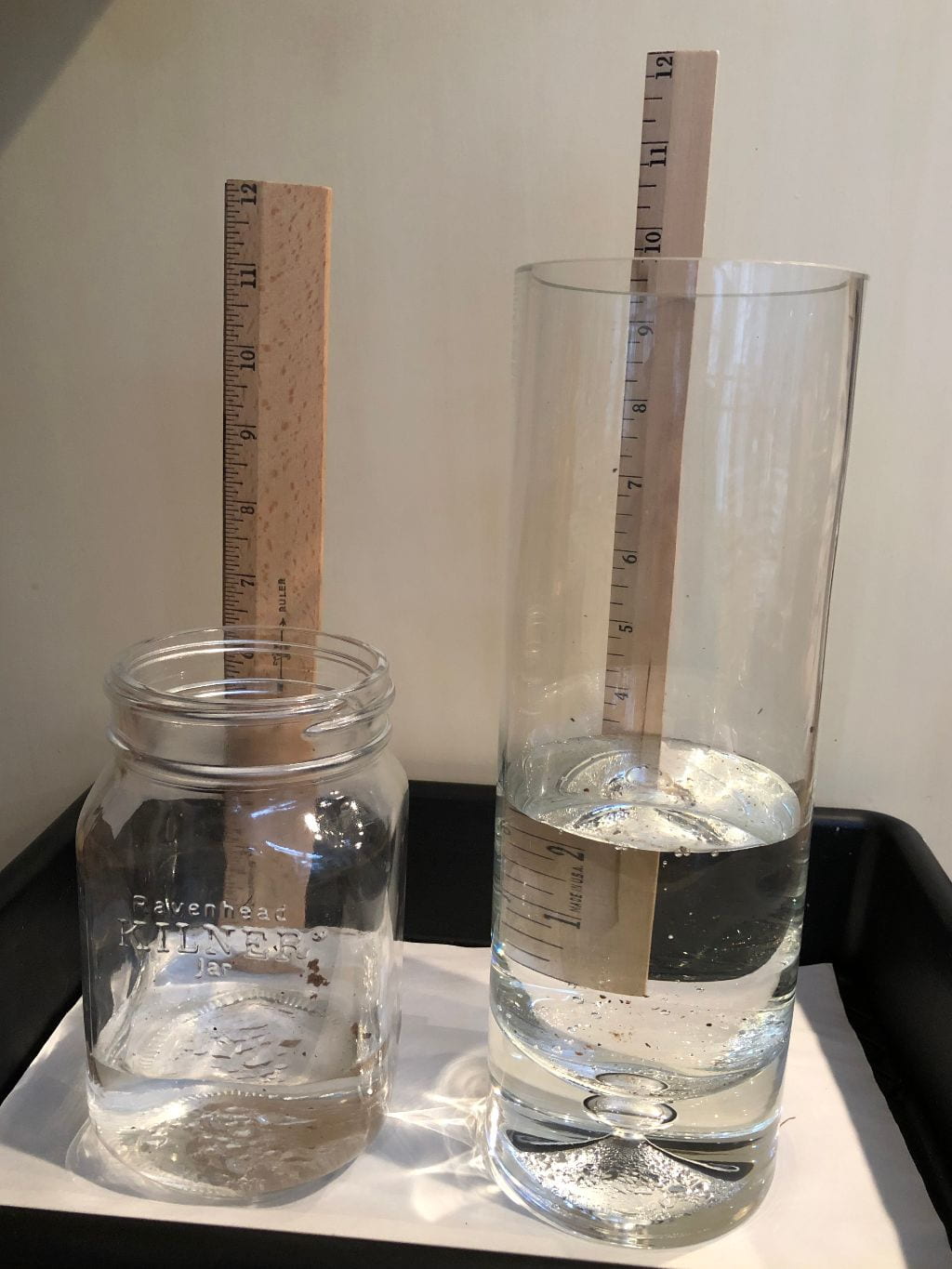
Scoop snow into a tall clear cylinder. A vase or mason jar work well. In my science lab, I used a graduated cylinder. Measure how much snow is in the container. (Many children have difficulty using a ruler.) Leave the container on your counter and check back periodically. Make careful observations. After the snow melts, measure how much water is in the container. Analyze your results. What are your conclusions? Introduce a variable, and place identical jars in different spots, like a sunny window. Would you have the same results with different types of snow?

To extend this investigation, leave the jar on the counter and observe how quickly the water evaporates.

January 18

Snowflakes

Watching snowflakes is enchanting! The activities below connect art, science, math, and reading.

Watch full screen.

“Snowflake Bentley” (1865-1931) was fascinated by snowflakes and in his quest to share their beauty discovered a way to photograph snowflakes in the early 1900s. Watch full screen.

Snowflakes are beautiful, pure, and white,
And like God’s children,
No two are alike!

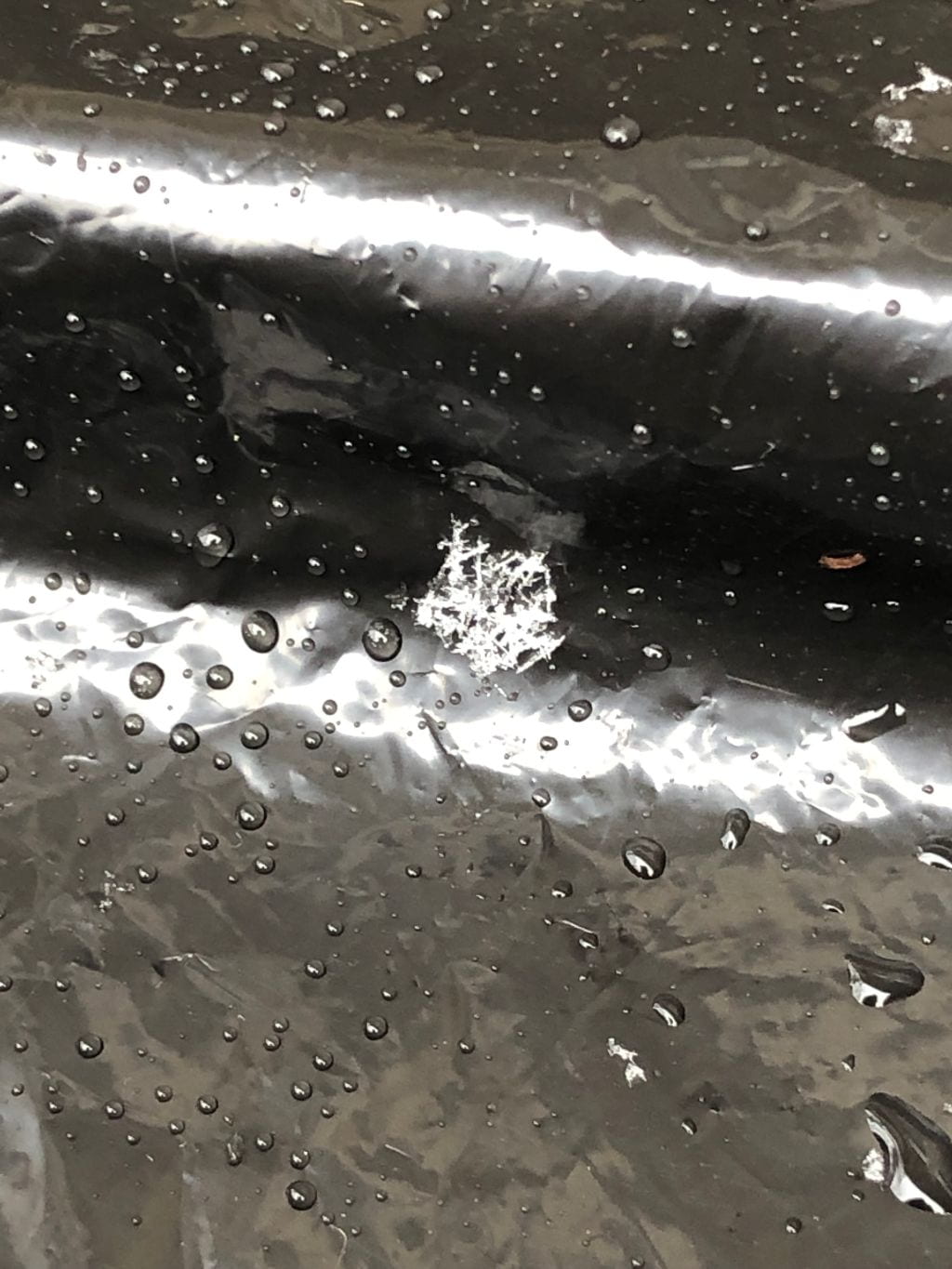
I tried to capture some photos of snowflakes. I’ve found that a material that is dark and water repellant, like a garbage bag works best. I need a better camera, but I had a little success.

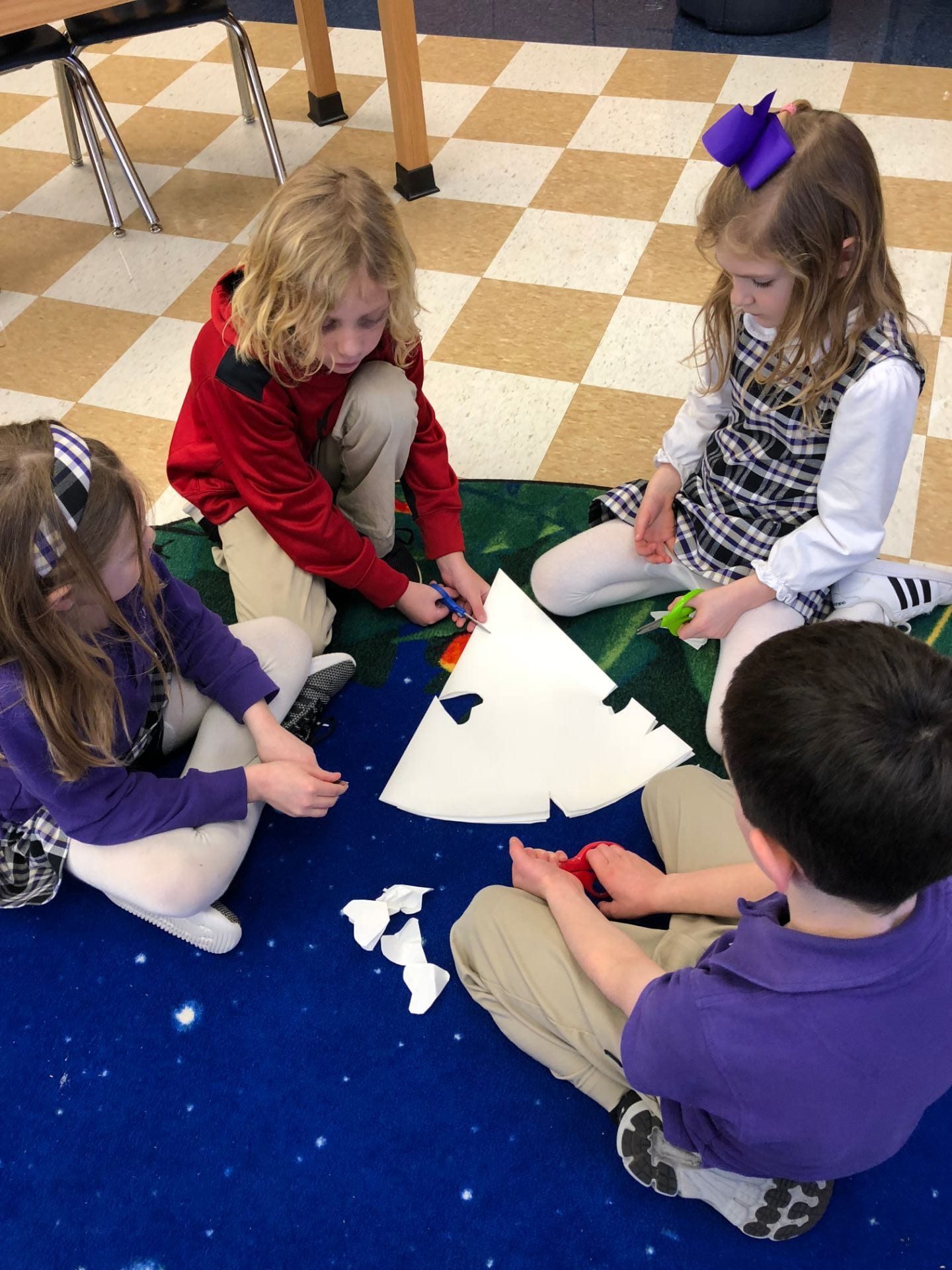
Cutting snowflakes is always fun! Trace a circle on a piece of paper with a plate or other round item. Fold it in half. Then fold the half in thirds, so it looks like a pizza slice, then you will have six sections.

Watch full screen to learn another method to make a six-sided snowflake.

Make giant snowflakes with larger paper.

It’s also fun to make snowflakes with pattern blocks. These snowflakes were made by former kindergarten students. There are six pattern block shapes – square, triangle, trapezoid, rhombus, parallelogram, and hexagon. Each student began with a hexagon which has six sides, like a snowflake. Two trapezoids or six triangles also make a hexagon.

December 3

Another Use for Amazon Boxes

If you’re like me, there is often a box on your doorstep. They are a great tool for engineers! Use the following books for inspiration:

Watch Not a Box full screen. Not a Box City is the sequel.

Watch Boxitects full screen.

Because she isn’t able to purchase a dollhouse like her friend, this young girl decides to make her own with cardboard.

See the source image
Another fun book:

See the source image

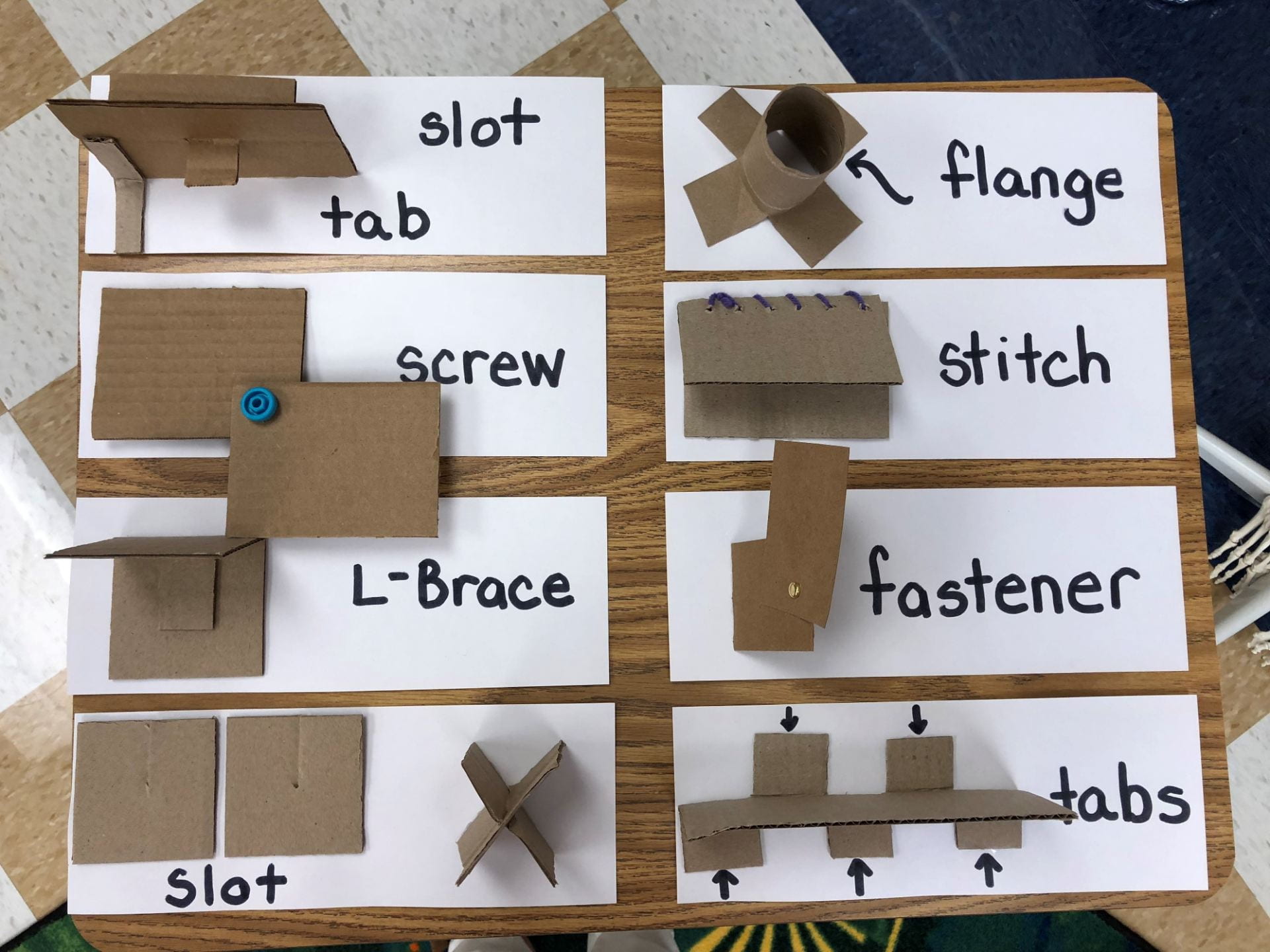
There are many ways to attach cardboard with minimal tape and glue.

Check out a kit called makedo. The kit includes screwdrivers, screws, saws, and a variety of other items to build with cardboard. Click here for more information about makedo.

Learn about five tools to cut cardboard safely full screen.

Children can easily and safely make straight cuts with Klever Kutters.

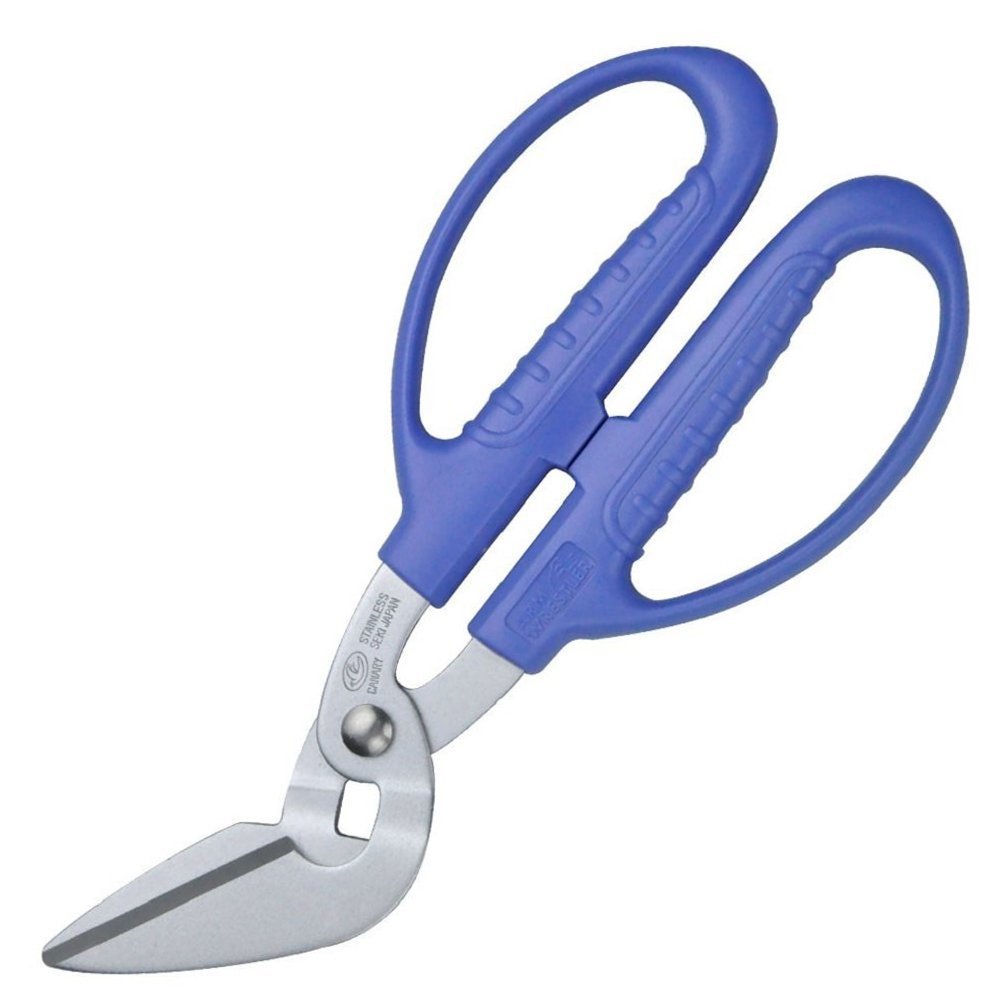
I have found canary scissors a useful tool for home and school. If cardboard boxes are too difficult for little hands to cut, use cereal and other food cartons.

See the source image

December 3

Did You Catch the Palindrome?

Did you catch the date on December 1st? It’s a palindrome! In fact, all the single digit dates this month are palindromes.

Palindromes are words, numbers, or phrases that read the same way forward and backward. Bob, dad, did, mom, peep, radar, race car, pop, toot, eye, Anna, madam, civic, and level are all palindromes. Can you think of any others? Try to write an entire palindrome sentence: Dee saw a seed.

When you add two palindromes together, the sum is another palindrome!  232 + 141 = 373